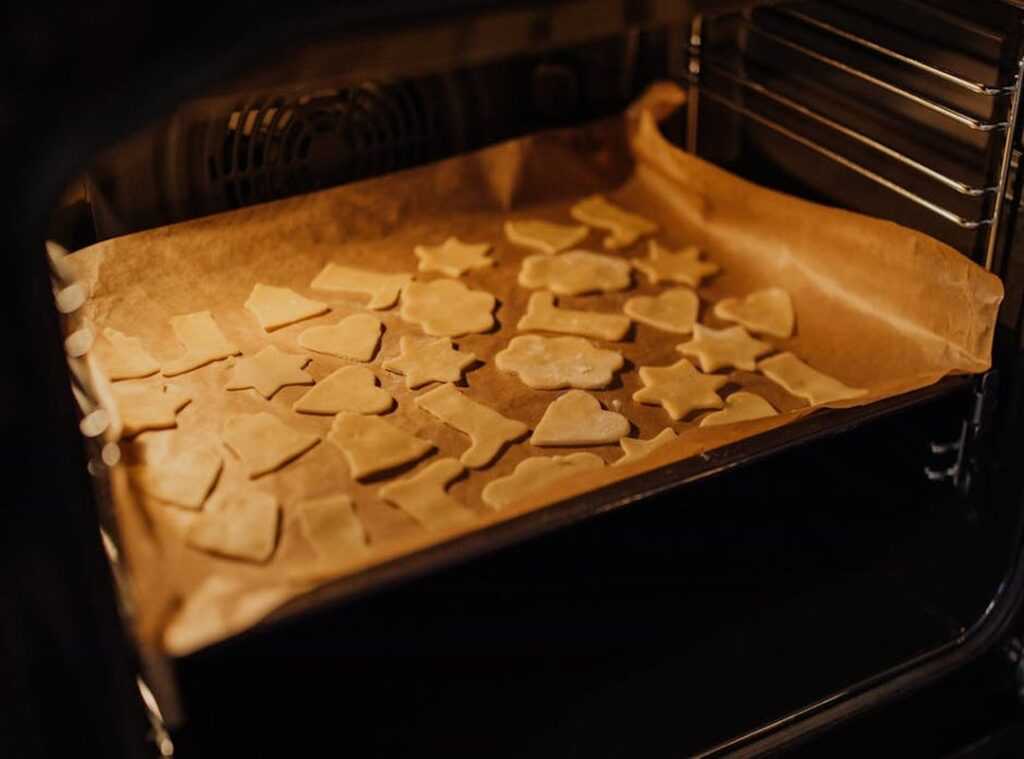

We’ve all been there, right? You whip up a home-cooked meal, excited to dive in, but something’s missing. It tastes good but lacks that “wow” factor.
Many passionate cooks hit this wall, stuck following recipes and unsure how to improvise when a dish falls flat. It’s frustrating. But here’s the secret: it’s not about memorizing recipes.
It’s about understanding the principles chefs use across the globe. The science and art of deliciousness. You can become a balancing flavors pro in your own kitchen.
This isn’t some mystical talent. It’s an achievable skill. Think of it as a new way to approach food.
By the end of this article, you’ll have the core principles to create dishes that are tasty but unforgettable. Trust me, this is where your cooking really takes off.
Taste: It’s More Than Sweet and Salty
We often think of flavors in terms of sweet, salty, sour, and bitter. They’re like the primary colors of taste. But let’s not forget the fifth one: umami.
It’s the savory, deep note that makes seared mushrooms or parmesan cheese a culinary joyride. Together, these five tastes form the foundation of everything we eat. It’s like mixing paints to create the perfect shade or striking a chord in music where different notes come together to create something harmonious.
But here’s the kicker. Balance is everything. Ever tried a dish that’s too salty or too sweet?
It’s just wrong. Those flavors need interplay, like a band where each instrument has its moment. And there are two often-overlooked sensations: pungency and astringency.
Pungency is that heat from chiles or ginger that cuts through richness. Astringency? That’s the dry mouthfeel you get from black tea or red wine (and you know what I’m talking about).
It cleanses the palate, providing structure.
It’s like a symphony where each taste and sensation plays its part. To be a real balancing flavors pro, you need to blend these elements skillfully. Imagine a dish where pungency adds excitement and astringency clears the stage for the next bite.
That’s the magic of balance.
Want to dive deeper into the art of cooking? Check out this guide to sharpen your skills, quite literally.
Flavor Matchmaking: Your Taste Revolution
When it comes to crafting unforgettable dishes, it’s all about the match. Two main strategies dominate: Complementary Pairing and Contrasting Pairing. Let’s dive into these techniques and see how they can transform your cooking.
Complementary Pairing is where like attracts like. Think chocolate and coffee. Both share compounds that can intensify and deepen each other, creating a richer taste. Or take mushrooms and beef. They’re like culinary best friends, each amplifying the other’s savory notes.
But the real magic happens with Contrasting Pairing. This is where culinary sparks fly. Why?
Because opposites attract in the best way possible.
Consider the classic duo: Sweet & Salty. Ever tried prosciutto-wrapped melon? Salt pumps up the sweetness, creating an irresistible combo.
Salted caramel? Kettle corn? Same deal.
Salt is the unsung hero, elevating sweetness to new heights.
Next, we have Fat & Acid. Rich pork carnitas with a squeeze of lime is a game-changer. The acidity slices through the fat, lightening the dish.
Alfredo sauce feels indulgent until you pair it with a crisp salad dressed in vinegar. The acid keeps it from overwhelming the palate.
Then there’s Sweet & Sour. It’s a delightful dance on your tongue. A classic vinaigrette balances oil with vinegar, and tangy BBQ sauce on ribs has that sweet-sour tug that makes you want more.
Finally, Bitter & Sweet/Fat. Ever had bitter greens like radicchio with a sweet balsamic glaze and goat cheese? Sweetness or fat can mellow bitterness, turning something harsh into something deliciously complex.
For those wanting to become a balancing flavors pro, these pairings are your secret weapon. Master these, and you’ll raise your culinary creations to new heights. So, next time you’re in the kitchen, ask yourself, how can these flavors dance together?
Beyond Taste: Texture and Aroma Secrets
A dish that’s all one texture? Boring. I don’t care how balanced the flavors are.
A true flavor harmony expert engages all the senses.
Let’s talk texture. Does the thought of creamy and crunchy get you excited? Imagine a velvety tomato soup with crunchy, garlic-rubbed croutons.
It’s like a playful dance in your mouth. Then there’s tender and crisp. Picture fall-apart tender braised short rib topped with crispy fried onions.
That contrast keeps you coming back for more.
And don’t get me started on smooth and coarse. Silky hummus with the snap of a crisp vegetable or pita chip? Yes, please.
These textural contrasts aren’t just random. They’re the secret to a memorable dish.
Now, aroma. The gateway to flavor. Did you know our sense of smell is responsible for most of what we perceive as flavor?
Layering aroma is a game-changer. Want to bloom spices? Toss them into hot oil to open up fragrance before adding anything else.
Pro tip: Finish with fresh herbs like cilantro or parsley. Or maybe the zest of a lemon. These little touches add a burst of bright scent right before serving.
Curious about more cooking techniques? You might want to learn more in this guide.
Balancing flavors pro? That’s the goal. When you master texture and aroma, you’re not just cooking.
You’re creating an experience. So, what are you waiting for? Time to shake up the kitchen and let your senses lead the way.
A Flavor Symphony: Global Cuisines in Harmony
You ever bitten into something and felt your taste buds do a happy dance? That’s flavor harmony. From bustling streets in Bangkok to the rustic kitchens of Italy, the world’s cuisines are perfected roadmaps for this delicious equilibrium.
Take Thai cuisine. It’s a balancing flavors pro. Every dish orchestrates the big four: sweet from palm sugar, sour from lime, salty from fish sauce, and that unavoidable spicy kick from chiles.
Green Curry is the poster child. It’s like a party. You get all these flavors mingling, not competing.
Then there’s Mexican food. Ever notice how those deep earthy chiles play with the zing of lime and cilantro? And just when things get intense, avocado or crema swoops in to mellow the storm.
It’s like a culinary telenovela with a predictable yet satisfying ending.
And let’s not forget Italian cuisine. Here, it’s about simplicity. Aglio e Olio (just) garlic, oil, and pasta.
How do they make it taste so good? High-quality ingredients and perfect balance. Nothing fancy, yet it sings.
So, what about your favorite global dish? I challenge you to deconstruct it. Find its core flavor pairings.
Why does it work? These cuisines have spent centuries perfecting their craft. Follow their lead and see where it takes you.
Who knows? Maybe you’ll become a flavor harmonist too.
Craft Your Own Flavor Symphony
Feeling stuck with meals that are just ‘okay’? You’re in good company. We all crave dishes that sing.
Remember, achieving flavor harmony is a delicious journey, not a cookbook of rules. Think balance, contrast, texture, and aroma. This isn’t just cooking; it’s a sensory experience.
Curious how to start? Pick one principle. Maybe brighten that rich sauce with a squeeze of lemon.
Or try topping your favorite soup with toasted nuts.
The secret’s simple: start small, taste the difference. Become a balancing flavors pro. Ready to transform your meals?
Dive in and explore the magic.
 Founder & Chief Culinary Officer
There is a specific skill involved in explaining something clearly — one that is completely separate from actually knowing the subject. Zayric Mythvale has both. They has spent years working with global cuisine explorations in a hands-on capacity, and an equal amount of time figuring out how to translate that experience into writing that people with different backgrounds can actually absorb and use.
Zayric tends to approach complex subjects — Global Cuisine Explorations, Flavor Enhancement Hacks, Culinary Buzz being good examples — by starting with what the reader already knows, then building outward from there rather than dropping them in the deep end. It sounds like a small thing. In practice it makes a significant difference in whether someone finishes the article or abandons it halfway through. They is also good at knowing when to stop — a surprisingly underrated skill. Some writers bury useful information under so many caveats and qualifications that the point disappears. Zayric knows where the point is and gets there without too many detours.
The practical effect of all this is that people who read Zayric's work tend to come away actually capable of doing something with it. Not just vaguely informed — actually capable. For a writer working in global cuisine explorations, that is probably the best possible outcome, and it's the standard Zayric holds they's own work to.
Founder & Chief Culinary Officer
There is a specific skill involved in explaining something clearly — one that is completely separate from actually knowing the subject. Zayric Mythvale has both. They has spent years working with global cuisine explorations in a hands-on capacity, and an equal amount of time figuring out how to translate that experience into writing that people with different backgrounds can actually absorb and use.
Zayric tends to approach complex subjects — Global Cuisine Explorations, Flavor Enhancement Hacks, Culinary Buzz being good examples — by starting with what the reader already knows, then building outward from there rather than dropping them in the deep end. It sounds like a small thing. In practice it makes a significant difference in whether someone finishes the article or abandons it halfway through. They is also good at knowing when to stop — a surprisingly underrated skill. Some writers bury useful information under so many caveats and qualifications that the point disappears. Zayric knows where the point is and gets there without too many detours.
The practical effect of all this is that people who read Zayric's work tend to come away actually capable of doing something with it. Not just vaguely informed — actually capable. For a writer working in global cuisine explorations, that is probably the best possible outcome, and it's the standard Zayric holds they's own work to.