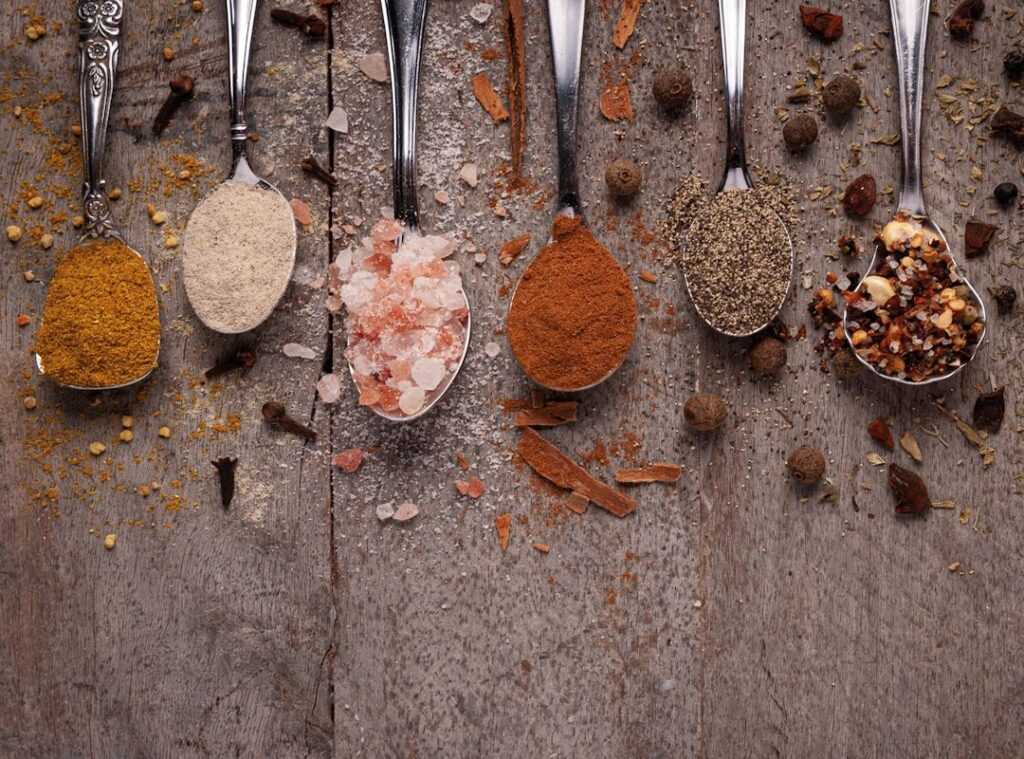
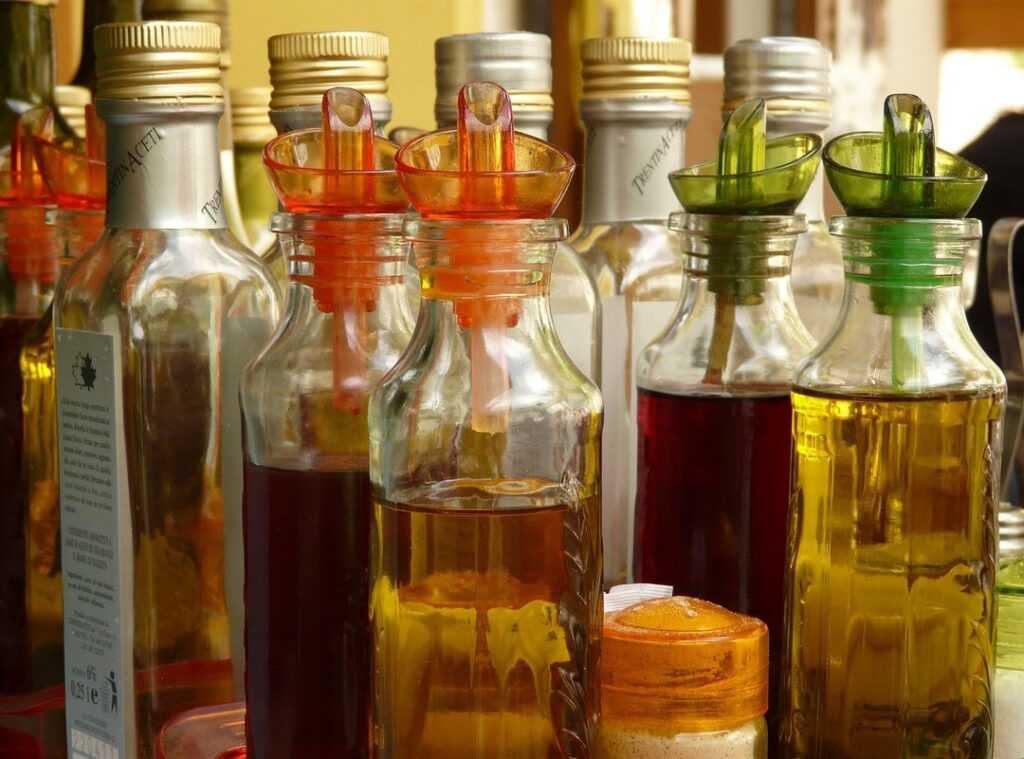
Staring at a bland salad or plain chicken feels like a crime against food, doesn’t it? You want excitement on your plate, not a yawning void of flavor. Here’s where the magic of infused oils vinegars comes in.
Imagine creating your own blends that lift any dish to new heights. Sounds like a dream, right? I’ve spent years in my home kitchen, experimenting, mixing, and perfecting ingredient fusion techniques.
Trust me, it’s easier and more fun than it seems. You (yes, you) can conjure up your own signature flavors. This isn’t just about understanding the basics.
By the end of this article, you’ll walk away with the confidence and inspiration to craft your own culinary masterpieces. to this flavorful journey!
Homemade Blends: Why They Reign Supreme
Ever compared a custom-tailored suit to one off the rack? That’s the difference between homemade blends and store-bought dressings. Store-bought options can feel like a quick fix, but they’re often pricey and full of preservatives.
You know it too. They lack depth, and let’s be honest, they’re bland.
Making your own blends at home opens up a world of freshness. You control every ingredient, avoiding those weird additives you can’t pronounce. Plus, the creative possibilities are endless.
Want infused oils vinegars with rosemary and lemon? Go for it.
And here’s the kicker: it’s cost-effective. Sure, buying a good bottle of oil and fresh herbs might seem like an investment, but think about the batches you can make. The savings stack up.
It’s not just about cooking either; it’s a culinary project. Fun, delicious, and totally worth your time.
Cooking should be about exploring flavors. Speaking of which, if you’re into discovering new taste dimensions, check out the power of umami in cooking. A little knowledge here can raise your blends to something extraordinary.
Why settle for less when you can craft something amazing at home?
The Foundation: Choosing the Perfect Oil and Vinegar
When it comes to creating infused oils vinegars, starting with the right base is everything. The process boils down to two main categories: oils and vinegars. For oils, I recommend neutral ones.
Light olive oil or grapeseed oil works wonders as versatile bases. Ever tried extra virgin olive oil? It’s flavorful but can overpower delicate infusions.
Trust me, you want the ingredients to shine, not just the oil.
Now, let’s talk vinegars. Balsamic is sweet and rich, perfect for hearty dishes. Apple cider vinegar?
It’s tangy and bright. It adds a punch to whatever it’s paired with. White wine vinegar is crisp and light, ideal for fresh recipes.
Rice vinegar is mild and slightly sweet, making it a gentle choice for subtle flavors.
Here’s a simple pairing principle: match the intensity. A bold vinegar like balsamic pairs well with a sturdy oil. Meanwhile, a delicate rice vinegar demands a lighter oil.
This is your cheat sheet for culinary harmony.
Want to know how to make herb-infused oils +? It’s easier than you think. Start with a neutral base, add your herbs, and let them mingle over time.
The result? Flavors that raise any dish.
Pro tip: Consider the cuisine. For Italian flavors, think basil and olive oil. Asian? Go soy and sesame. Mexican? Lime and cilantro. The possibilities are endless. Once you master the basics, you’re free to experiment.
The Art of Infusion: Simple Steps for Flavor
Ever wonder how chefs achieve those amazing flavors with infused oils and vinegars? It’s not magic. It’s an art you can master. to it.
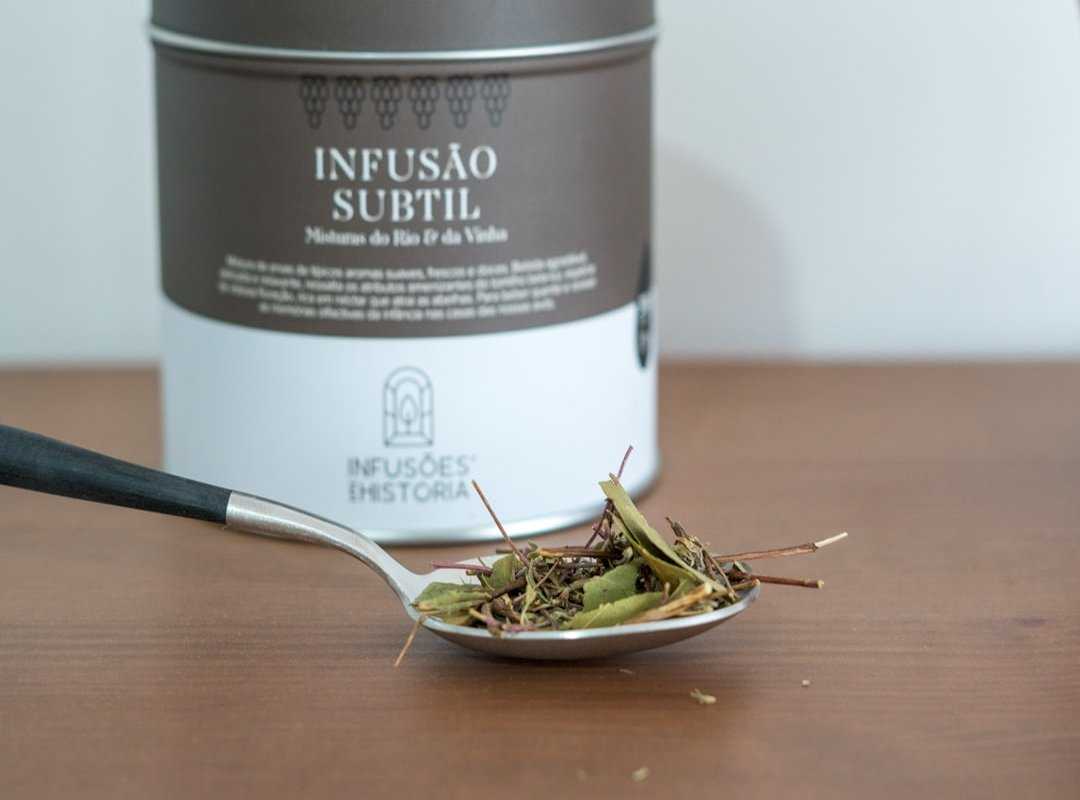
Step 1: Prep Your Ingredients. Cleanliness is key here. Wash and dry your fresh ingredients. Herbs, garlic, citrus peels (these) things can spoil if they’re not clean and dry. Trust me, you don’t want to waste a good batch.
Step 2: Choose Your Method. Cold or warm infusion? Cold is simple, great for delicate flavors, but it takes longer. Warm works faster, perfect for hearty stuff like rosemary or chili flakes. For cold, just let it sit. For warm, gently heat the oil with your ingredients. Easy, right?
Step 3: Combine and Steep. Ratios matter. A good starting point is 2 tablespoons of herbs per cup of oil.
Cold infusions take patience (1-2 weeks). Warm are quicker (1-5 hours). Who has time to wait longer when there’s flavor to enjoy?
Step 4: Strain and Store. You’ve done the work. Now strain out the solids for longer shelf life.
Store it in a cool, dark place. Keeps it fresh and lively. Want to boost your skills in boosting flavors fermentation techniques?
That’s the next level.
Pro Tip: Food safety is serious. Fresh garlic in oil can be risky (botulism alert). Use dried garlic or refrigerate it.
Use it quickly. No one wants that kind of trouble.
Infusing oils isn’t just for chefs. You can do it. It’s about experimenting with flavors and enjoying the process.
Infused oils vinegars change a dish completely. Have patience, trust your taste, and enjoy every drop. Got a favorite infusion?
Try it out. You’ll be amazed at what you can create.
Flavor Inspiration: A Kitchen World Tour
Let’s travel the world with our taste buds, shall we? Infused oils and vinegars are the perfect way to do this. They’re like a culinary passport (minus the jet lag).
First stop: Italy.
Tuscan Sunshine
Think garlic, rosemary, and sun-dried tomato. Drizzle this blend with olive oil and balsamic vinegar over crusty bread. It’s like a mini Italian vacation.
It also elevates pasta and roasted veggies. Trust me, you won’t look at broccoli the same way again.
Zesty Southwest
Bring the Southwest to your kitchen with chipotle pepper, lime zest, and cilantro. Combine these in light oil with apple cider vinegar. Use it on tacos, grilled chicken, or corn salad.
Imagine a summer BBQ with this zesty touch. Your taste buds will thank you.
Southeast Asian Zing
Lemongrass, ginger, and Thai chili in grapeseed oil paired with rice vinegar? Yes, please. This blend is perfect for noodle salads and fish marinades.
Or use it as a dipping sauce. It gives your dishes that authentic Thai kick.
Herbes de Provence Dreams
Let’s go to France with lavender, thyme, and savory mixed in light olive oil. Add a splash of white wine vinegar. Drizzle it over goat cheese, chicken, or potatoes.
It’s like a picnic in Provence, minus the plane ticket.
Each blend offers a unique flavor profile. They transform ordinary meals into global feasts. Cooking becomes more than just a chore.
It’s an adventure, a chance to explore new tastes without leaving home. I say go bold or go home. These blends are versatile, easy to make, and a surefire way to impress at dinner parties.
And who doesn’t love a little culinary exploration?
Spice Up Your Kitchen Now
You’ve got the tools to ditch boring meals forever. Remember when you couldn’t figure out how to add that wow factor to dinner? Well, now you do.
Making your own infused oils vinegars is simple but also puts you in control of every taste and aroma. Why stick with bland when you can create something extraordinary? Go grab a recipe from the list, gather those ingredients, and dive into your first infusion this week.
Transform your cooking today. You won’t regret it. Want proof?
Check flensutenol.com for more culinary secrets. Get started now!
 Culinary Content Strategist
There is a specific skill involved in explaining something clearly — one that is completely separate from actually knowing the subject. Amanda Stewartivenyo has both. They has spent years working with culinary buzz in a hands-on capacity, and an equal amount of time figuring out how to translate that experience into writing that people with different backgrounds can actually absorb and use.
Amanda tends to approach complex subjects — Culinary Buzz, Explore More, Flavor Enhancement Hacks being good examples — by starting with what the reader already knows, then building outward from there rather than dropping them in the deep end. It sounds like a small thing. In practice it makes a significant difference in whether someone finishes the article or abandons it halfway through. They is also good at knowing when to stop — a surprisingly underrated skill. Some writers bury useful information under so many caveats and qualifications that the point disappears. Amanda knows where the point is and gets there without too many detours.
The practical effect of all this is that people who read Amanda's work tend to come away actually capable of doing something with it. Not just vaguely informed — actually capable. For a writer working in culinary buzz, that is probably the best possible outcome, and it's the standard Amanda holds they's own work to.
Culinary Content Strategist
There is a specific skill involved in explaining something clearly — one that is completely separate from actually knowing the subject. Amanda Stewartivenyo has both. They has spent years working with culinary buzz in a hands-on capacity, and an equal amount of time figuring out how to translate that experience into writing that people with different backgrounds can actually absorb and use.
Amanda tends to approach complex subjects — Culinary Buzz, Explore More, Flavor Enhancement Hacks being good examples — by starting with what the reader already knows, then building outward from there rather than dropping them in the deep end. It sounds like a small thing. In practice it makes a significant difference in whether someone finishes the article or abandons it halfway through. They is also good at knowing when to stop — a surprisingly underrated skill. Some writers bury useful information under so many caveats and qualifications that the point disappears. Amanda knows where the point is and gets there without too many detours.
The practical effect of all this is that people who read Amanda's work tend to come away actually capable of doing something with it. Not just vaguely informed — actually capable. For a writer working in culinary buzz, that is probably the best possible outcome, and it's the standard Amanda holds they's own work to.