You’re staring at your spice rack, aren’t you? Wondering which herb will make your chicken dish sing. The fresh scent of basil, the earthy aroma of thyme.
It’s tempting yet terrifying. Choose wrong, and the meal’s ruined. I get it.
The fear keeps many from experimenting. That’s why this herb blending guide is your must-have manual. I’ve spent years diving into flavors, understanding their dance.
This guide? It’s crafted to build your confidence and intuition. By the end, you’ll pair herbs like a pro.
Trust me, I’ve been there. Ready to transform your cooking? Let’s get started.
The Golden Rules of Herb Harmony: Beyond the Recipe
Ever found yourself staring at a bunch of herbs, wondering what to do with them? Let’s be honest: the secret isn’t just tossing them in. It’s about understanding what they bring to your dish.
Herbs should complement and raise, not overshadow.
Take ‘Flavor Intensity’. It’s the idea that each herb has a power, a voice. Some whisper while others shout.
Delicate herbs like parsley, dill, or basil? They’re your whispers, perfect for light foods like fish or salads. On the other hand, strong ones like rosemary, thyme, or sage are perfect for heavier dishes (think lamb or stews).
Imagine a delicate fish paired with the boldness of oregano. Sounds off, right?
Here’s Rule #1: Match Intensity. Delicate with light, strong with hearty. Picture a herb like basil on a simple caprese salad.
Perfect harmony. But with roast beef? Not so much.
Rule #2? The ‘Less is More’ Principle. Ever bitten into something and all you taste is sage?
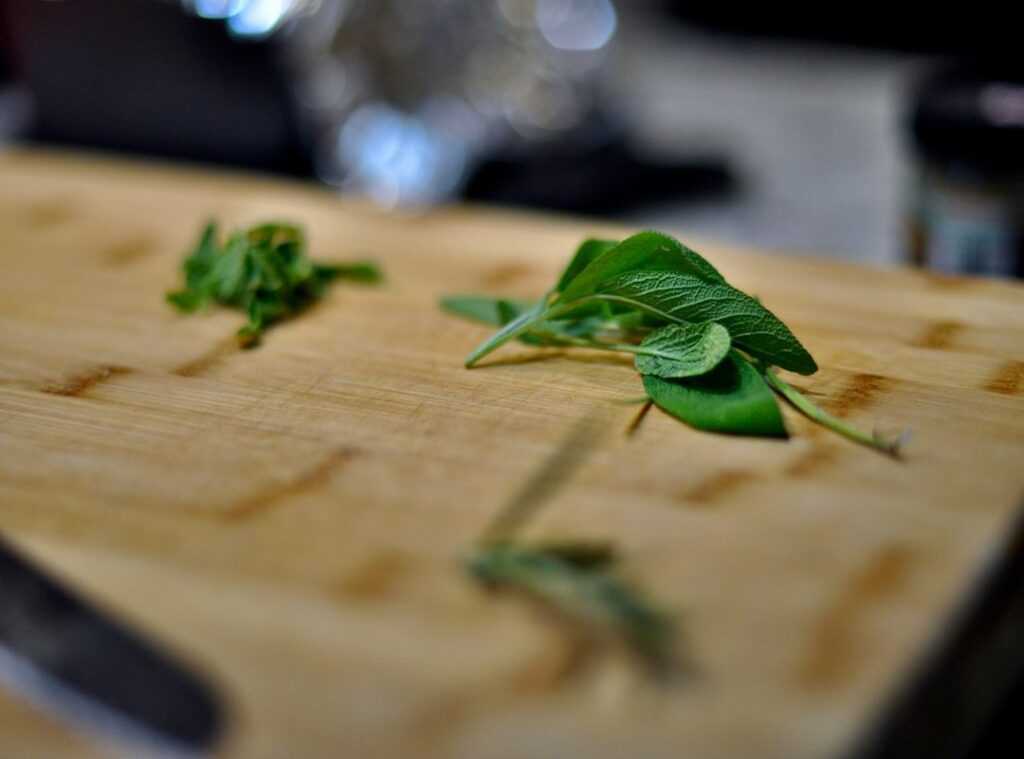
Not pleasant. Start small with potent herbs like this. Taste as you go.
Trust me, it’s easier to add than to take away.
Then there’s Rule #3: Timing is Everything. Strong herbs can handle long simmering, infusing deep flavors over time. Delicate herbs?
Add them at the end to keep their brightness. Want a deeper dive into herb magic? Check out this mastering art flavor pairing guide.
Herbs aren’t just green garnishes. They’re a world of their own. They need your attention, your understanding.
Ready to explore?
Flavor Families: Get through the World of Herbs
Ever stood in a market, overwhelmed by the sheer variety of herbs? You’re not alone. I’ve learned to make sense of this leafy chaos by grouping them into what I call “flavor families.” Think of it as a more intuitive, sensory way to get through your herb blending guide.
Let’s start with the Mint Family (cooling) and aromatic. Imagine mint, basil, oregano, and thyme sharing a family dinner. They bring bright, peppery, and refreshingly lively vibes to the table.
Mint’s sweetly spicy kick or oregano’s pungent aroma can lift any dish. Ever tried pairing mint with oregano in a salad? It’s like a refreshing gust on a hot day.
Now, meet the Parsley Family. Fresh and grassy. Imagine parsley, cilantro, and dill, each adding a crisp, zesty note of their own.
Cilantro’s citrusy pop or dill’s hint of anise can totally transform your dishes. They’re like the fresh, green canvas of the herb world. Just be careful; cilantro can be polarizing.
Then there’s the Piney & Woody Group (earthy) and strong. Rosemary and sage dominate this category. Their strong resinous aromas are unforgettable.
Picture rosemary’s pine-scented punch combined with sage’s savory depth. It’s hearty, it’s fragrant, and it instantly makes any meal feel more substantial.
Finding balance is key. You don’t want your dish tasting like a garden after a rainstorm (unless that’s your thing). Sometimes, the subtlety of a single herb is all you need.
Here’s a tip: herbs within the same family often pair beautifully. Oregano and thyme are a classic duo, but overloading these aromatic powerhouses can muddle flavors.
Curious about how these flavors can complement beverages too? Check out an introduction to loose leaf tea for some herbal inspiration.
Embrace the families and let them guide you. Your dishes won’t just taste good. They’ll tell a story.
The Classic Pairings Cheat Sheet: What to Use With What
Ever wonder why some herb and food combos just work? Here’s your herb blending guide to make it simple. Let’s dig in.
Poultry like chicken and turkey crave thyme, rosemary, sage, and tarragon. Rosemary’s assertive, piney notes beautifully cut through the richness of roasted chicken skin. It’s a match made in culinary heaven.
And tarragon? Its slight anise flavor gives turkey the perfect lift. Who knew pairing herbs could be this fun?
Now, onto red meat. Beef and lamb are flavor powerhouses. They need herbs that can hold their ground.
Enter rosemary, thyme, and oregano. These herbs have strong flavors that complement meat’s bold taste without overshadowing it. Oregano, especially, pairs with lamb like Batman and Robin (don’t argue, you were thinking it too).
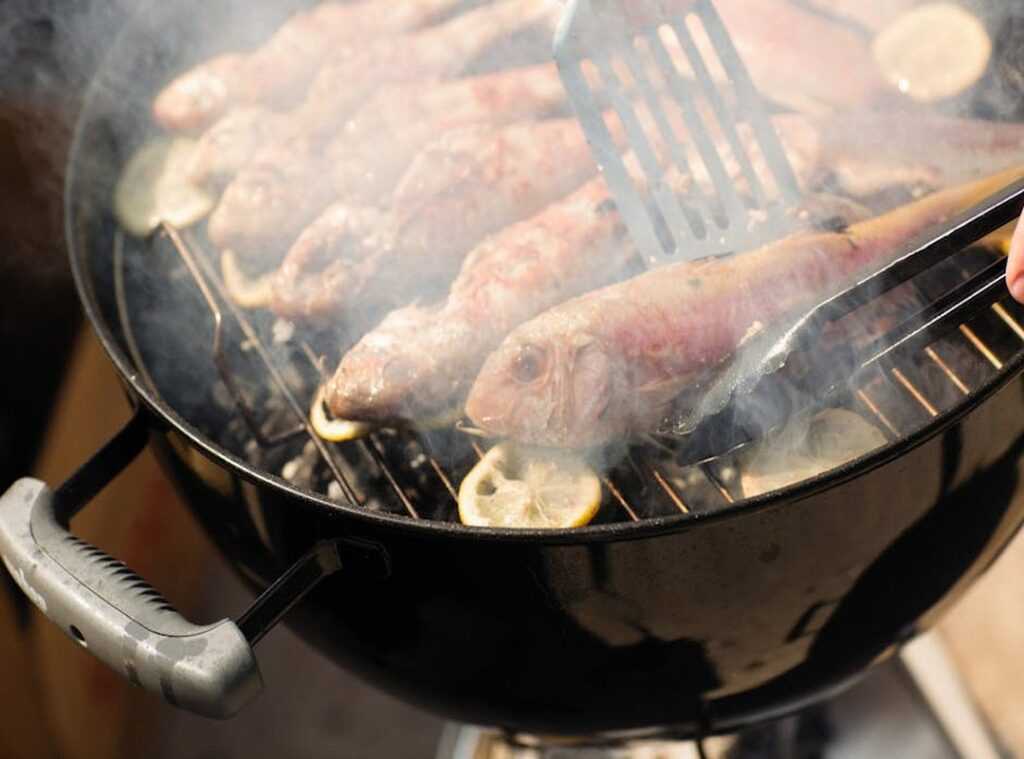
Fish and seafood call for a lighter touch. Dill, parsley, tarragon, and chives are your go-tos. These delicate herbs boost the subtle flavors of seafood instead of drowning them.
Imagine fresh dill sprinkled over salmon. It’s like a summer breeze on your tongue.
Vegetables, especially when roasted, love thyme, rosemary, oregano, and parsley. The dry heat of roasting brings out a vegetable’s inherent sweetness. Throw in these herbs, and you’ve got a savory party.
Ever tried roasted carrots with rosemary? It’s big, trust me.
Finally, tomatoes and Mediterranean dishes just scream for basil and oregano. The sweet, peppery bite of basil against the bright acidity of a ripe tomato is pure magic. It’s the quintessential Mediterranean vibe.
Got a taste for how herbs blend flavors? To dive deeper into balancing flavors, check out this guide.
Herb pairing may seem simple, but it’s an art. With the right guide, you can open up flavors you never imagined. Happy cooking!
Ingredient Fusion: Global Herb Combos Unleashed
Why stick to the usual suspects when you can spice things up with a herb blending guide? Let’s talk about Southeast Asian flavors. Cilantro, mint, and Thai basil.
Ever tried them together in a curry? It’s like an explosion of bright, fragrant, and complex tastes. These herbs bring life to soups and salads too.
You haven’t lived until you’ve tasted this trio.
Now, let’s shift gears to Latin American flavors. Cilantro and oregano. The backbone of salsas, stews, and marinades.
They offer a fresh, earthy base that just works. I mean, who doesn’t love a good salsa? It’s the kind of flavor combo that makes you want to dance.
Middle Eastern aromas have their own magic. Parsley and mint. Simple, yet solid.
Perfect in tabbouleh. The refreshing, cooling contrast they bring is unmatched. Think of it as a culinary breath of fresh air.
So, what’s stopping you? This isn’t just about following a recipe. It’s a launchpad for creativity.
Use these principles to experiment, create, and explore. Your kitchen is a playground, and these herbs are your toys. Get cooking and let your taste buds travel the world.
Unleash Your Herbal Creativity
You now know the secrets to cook with herbal intuition. Remember when pairing herbs felt daunting? That’s behind you.
With principles and examples under your belt, you’re ready to create magic in the kitchen. The herb blending guide isn’t about memorization. It’s about understanding flavor families and classic combinations.
So here’s what you do next: pick two herbs this week. One you know, one you don’t. Experiment.
This is how your personal herb combination manual begins. Start today. Discover your signature flavors.
You’re equipped, confident, and ready. Dive in and taste the difference. The kitchen is your playground.
 Flavor & Technique Specialist
Gene Omanivano has opinions about culinary buzz. Informed ones, backed by real experience — but opinions nonetheless, and they doesn't try to disguise them as neutral observation. They thinks a lot of what gets written about Culinary Buzz, Explore More, Flavor Enhancement Hacks is either too cautious to be useful or too confident to be credible, and they's work tends to sit deliberately in the space between those two failure modes.
Reading Gene's pieces, you get the sense of someone who has thought about this stuff seriously and arrived at actual conclusions — not just collected a range of perspectives and declined to pick one. That can be uncomfortable when they lands on something you disagree with. It's also why the writing is worth engaging with. Gene isn't interested in telling people what they want to hear. They is interested in telling them what they actually thinks, with enough reasoning behind it that you can push back if you want to. That kind of intellectual honesty is rarer than it should be.
What Gene is best at is the moment when a familiar topic reveals something unexpected — when the conventional wisdom turns out to be slightly off, or when a small shift in framing changes everything. They finds those moments consistently, which is why they's work tends to generate real discussion rather than just passive agreement.
Flavor & Technique Specialist
Gene Omanivano has opinions about culinary buzz. Informed ones, backed by real experience — but opinions nonetheless, and they doesn't try to disguise them as neutral observation. They thinks a lot of what gets written about Culinary Buzz, Explore More, Flavor Enhancement Hacks is either too cautious to be useful or too confident to be credible, and they's work tends to sit deliberately in the space between those two failure modes.
Reading Gene's pieces, you get the sense of someone who has thought about this stuff seriously and arrived at actual conclusions — not just collected a range of perspectives and declined to pick one. That can be uncomfortable when they lands on something you disagree with. It's also why the writing is worth engaging with. Gene isn't interested in telling people what they want to hear. They is interested in telling them what they actually thinks, with enough reasoning behind it that you can push back if you want to. That kind of intellectual honesty is rarer than it should be.
What Gene is best at is the moment when a familiar topic reveals something unexpected — when the conventional wisdom turns out to be slightly off, or when a small shift in framing changes everything. They finds those moments consistently, which is why they's work tends to generate real discussion rather than just passive agreement.