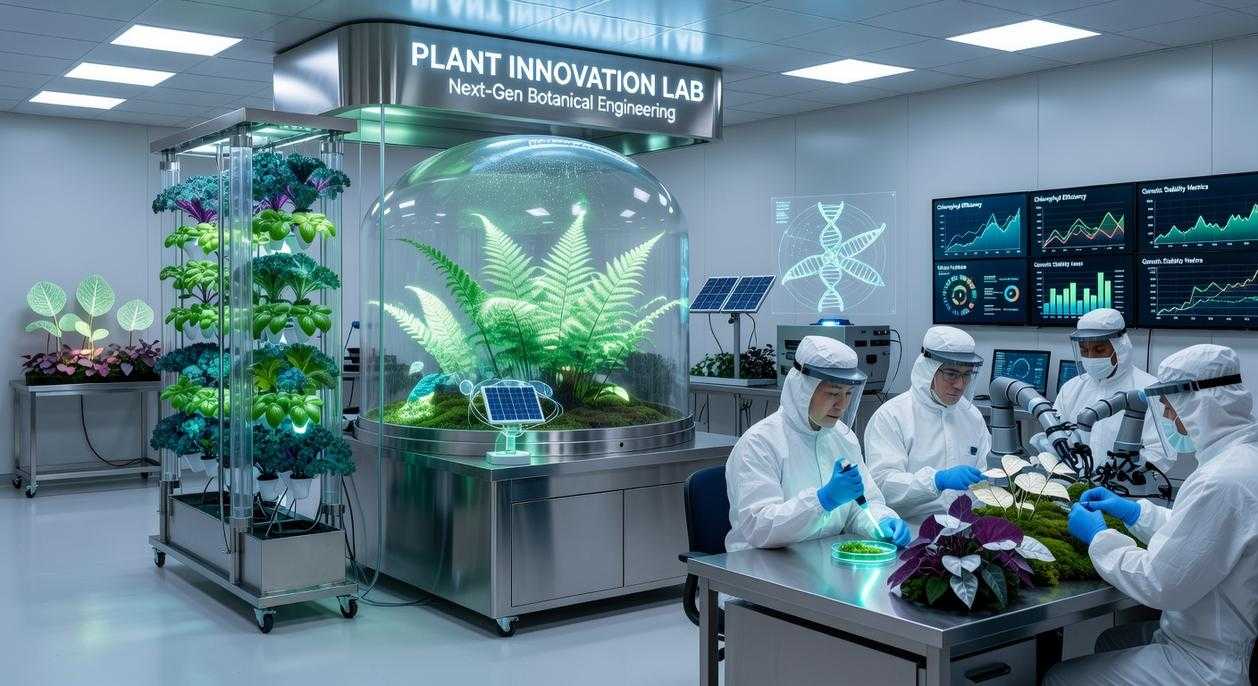
Curious about what’s really driving today’s culinary buzz? From global flavor mashups to smarter ingredient pairings, the food world is evolving faster than ever—and it can be hard to separate fleeting trends from meaningful innovation. This article dives into the techniques, traditions, and taste breakthroughs shaping modern kitchens, with a special focus on plant-based food innovation and how it’s redefining everyday cooking.
Whether you’re exploring global cuisines, experimenting with ingredient fusion, or looking for practical flavor enhancement hacks, you’ll find clear, research-backed insights designed to elevate your approach. We’ve analyzed emerging food trends, culinary research, and real-world kitchen applications to ensure the information is accurate, practical, and rooted in proven fundamentals.
By the end, you’ll understand not just what’s trending, but why it works—and how to apply these ideas to create deeper, more memorable flavors in your own cooking.
Beyond the Burger: The New Frontier of Plant-Based Cuisine
As we explore how plant-based innovations are transforming everyday meals, it’s vital to equip our kitchens with the right tools; check out our article on Essential Kitchen Tools for Building Strong Food Foundations to ensure you’re ready to embrace these culinary changes.
The plant-based aisle isn’t just bigger; it’s bolder. At first, veggie burgers aimed to replace meat. Now, the goal is replication—capturing texture, aroma, and that elusive juiciness. In my view, that’s where things get interesting.
Cracking the Code of Texture and Flavor
So how are brands pulling this off? High-moisture extrusion—essentially using heat and pressure to realign plant proteins into fibrous strands—creates a meat-like bite. Meanwhile, precision fermentation (using microbes to produce specific proteins) unlocks dairy-identical casein without cows. Admittedly, some argue it’s “too processed.” Fair point. Still, plant-based food innovation is solving sensory science in ways that genuinely impress.
Cracking the Code: The Science of Texture and Mouthfeel
Texture is what separates a convincing bite from a disappointing one. Flavor matters, of course—but without the right mouthfeel (the physical sensations food creates in your mouth), even the best seasoning falls flat. So how do plant proteins transform into something that shreds, sizzles, and satisfies?
First, High-Moisture Extrusion (HME) uses heat, pressure, and mechanical shear—force that pushes ingredients in opposite directions—to realign plant proteins like pea or soy. Under tightly controlled temperatures (often above 100°C) and moisture levels up to 70%, the proteins unfold and reassemble into fibrous strands. The result? Layers that pull apart like chicken breast or mimic the chew of beef. It’s less “processed mush” and more structural engineering (think edible 3D printing, but tastier).
However, critics argue extrusion can’t replicate whole cuts. That’s where Shear Cell Technology enters. Using a rotating cone-and-plate device, it applies controlled shear flow to create thicker, multi-layered fibers. This enables larger formats—convincing chicken breasts or fish fillets with visible grain. The benefit isn’t just visual; thicker fibers deliver resistance when bitten, enhancing perceived juiciness.
Meanwhile, Fat Encapsulation Innovation tackles succulence. Plant oils like coconut or sunflower are wrapped in plant-derived coatings that stay solid when cool but melt during cooking. As heat rises, the fat liquefies and sizzles, recreating the aroma and moisture release of animal fat. Pro tip: encapsulated fats also reduce greasiness during storage.
Skeptics say nothing beats traditional meat texture. Yet plant-based food innovation continues narrowing that gap—one carefully engineered bite at a time.
Unlocking Deeper Flavor: The Power of Fermentation
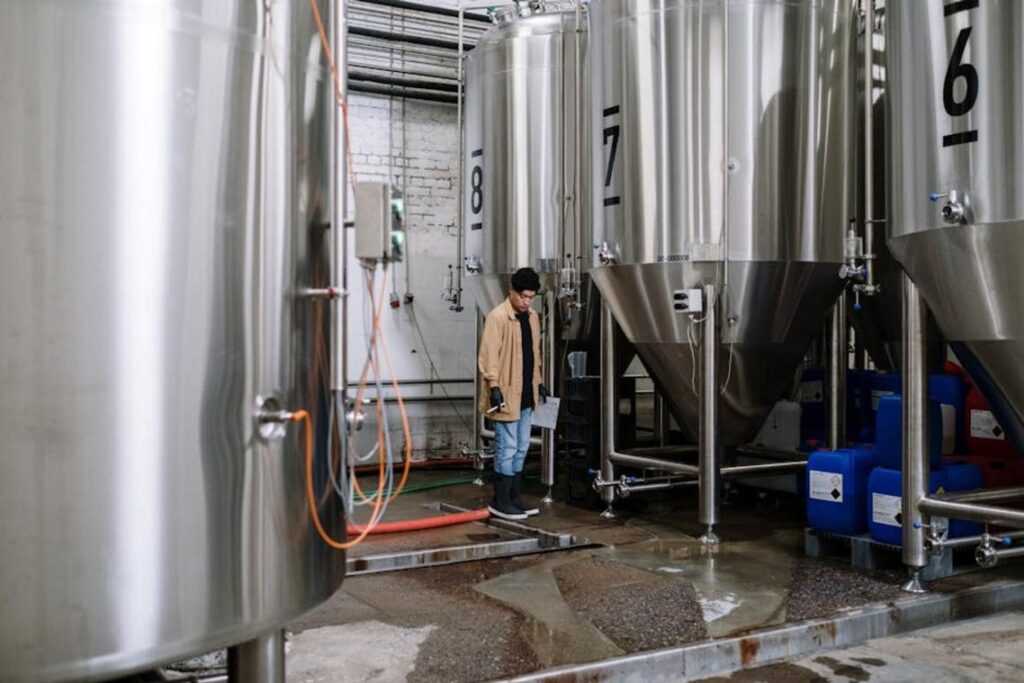
Fermentation might sound like an old-world technique involving crocks of cabbage, yet today it powers some of the most advanced food science. To clarify, fermentation is a process where microorganisms—like fungi, yeast, or bacteria—transform ingredients into something new, often enhancing flavor, texture, and nutrition.
First, consider mycelium, the root-like structure of mushrooms. When grown in controlled bioreactors (think of them as high-tech fermentation tanks), mycelium forms dense, fibrous networks. The result? A whole-food ingredient naturally rich in protein with a savory, meat-like texture. Because it’s minimally processed, it appeals to people who want recognizable foods rather than lab-heavy formulations.
Next is precision fermentation. This method genetically programs microorganisms to produce specific proteins found in nature. For example, microbes can create whey and casein—the proteins that help cheese melt and stretch—without using cows. Similarly, they can produce heme, the iron-containing compound that gives burgers their “bleeding” effect and deep savory taste. In simple terms, it’s brewing milk proteins the way you’d brew beer (just with different microbes).
Meanwhile, traditional techniques are being refined to boost umami and kokumi. Umami means savory depth; kokumi refers to mouthfulness or richness. By carefully fermenting plant proteins, developers unlock these complex compounds naturally, reducing reliance on added salt or artificial flavors.
In fact, this evolution in plant-based food innovation connects directly to broader conversations about sustainability—explored further in why sustainable cooking is more than just a trend.
Ultimately, fermentation isn’t just preservation—it’s flavor transformation, clarified.
The Next Generation of Ingredients: From Algae to Air
If you’re exploring the future of food, start with microalgae. These microscopic powerhouses deliver high-quality protein, concentrated omega-3s, and vibrant natural colorants without taxing land resources. For plant-based fish, algae-derived DHA offers the same fatty acids found in seafood, minus the nets. Seaweed extracts, meanwhile, contribute authentic oceanic flavor and gelling properties that elevate broths, noodles, and desserts.
Now consider protein made from air. Through fermentation, microbes consume CO2, oxygen, and nitrogen to create nutrient-dense biomass. It sounds like science fiction (yes, very Star Trek), yet companies are scaling it as a radically sustainable protein platform. My recommendation: keep an eye on air-based flours for baking or fortification; they’re poised to redefine plant-based food innovation.
Upcycled agriculture deserves equal attention. Sunflower pulp after oil extraction and spent grain from brewing become functional protein ingredients with nutty, malty depth. Choose brands that transparently source these side-streams and test them in baked goods or savory snacks.
- Experiment with blending algae powders and upcycled flours for better texture and nutrition.
The next pantry upgrade isn’t exotic; it’s efficient, circular, and boldly forward-looking. Start small, taste widely, and invest in ingredients that respect resources. Wisely.
Last year, I watched a prototype vegan cheese fail spectacularly in a test kitchen. That flop sparked my fascination with AI-driven formulation. Modern platforms now scan millions of molecular compounds to predict ingredient interactions. In practice, this means:
- Faster R&D cycles.
- Precise flavor and texture mapping.
- Cleaner labels with fewer additives.
AI identifies plant molecules that mimic casein’s stretch or meat’s umami depth, accelerating plant-based food innovation. I’ve tasted side-by-side samples; the difference is shrinking (and skeptics are often surprised). Pro tip: trust data, but still trust your palate. Technology guides, but humans finalize flavor in kitchens.
Your Plate in 2030: A Taste of Things to Come
By 2030, your dinner might look familiar but behave differently. Thanks to plant-based food innovation, burgers bleed with beet heme and cheese stretches via precision fermentation—using microbes to produce dairy-identical proteins (yes, like tiny bio-breweries).
Earlier soy patties failed on texture and flavor. Mechanical extrusion—forcing proteins through heat and pressure to align fibers—now creates steak-like chew. Encapsulated fats—oils wrapped in plant starch—melt at the right moment for JUICY bites.
Try this:
• Read labels for “fermented protein” or “encapsulated oil.”
• Compare ingredient lists, not marketing.
Pro tip: pan-sear for a Maillard crust (science beats hype). Flavor wins every time.
Elevate Your Culinary Edge Today
You set out to understand how modern flavors, global techniques, and smart ingredient pairings can transform your cooking—and now you have the roadmap to do it. From mastering fusion strategies to leveraging plant-based food innovation, you’re equipped to move beyond ordinary meals and create dishes that truly stand out.
The frustration of bland results or trend-chasing without direction ends here. When you understand food fundamentals and how to layer flavor with intention, every experiment becomes purposeful—and every bite more memorable.
Now it’s time to take action. Start applying one new fusion technique this week. Experiment with a bold ingredient swap. Refine a classic dish using a global twist.
If you’re ready to stop guessing in the kitchen and start creating with confidence, explore more expert-backed flavor strategies and breakthrough techniques today. Join thousands of food enthusiasts who are already transforming their cooking—discover the insights that will make your next dish unforgettable.