Imagine your kitchen on a Sunday afternoon. It’s chaos, right? Pots and pans everywhere, lids nowhere to be found, and the counters?
They’re a mess. I’ve been there, and it’s maddening. You’re trying to prep meals, but it feels like the kitchen’s revolting against you.
What if you could turn that chaos into a calm, fast operation? this guide comes in.
With years under my belt in optimizing kitchen workflows, I’ve drawn inspiration from professional culinary setups. I know how to make home cooking delicious and stress-free. This isn’t just tidying up.
It’s about creating a meal prep kitchen that saves time, reduces waste, and makes healthy, tasty meals a breeze.
We’ll design a system tailored for you. One that turns meal prep from a dreaded task into a joyful ritual. By the end, your kitchen will be a sanctuary, not a battlefield.
Ready to transform the chaos?
The ‘Mise en Place’ Mindset: The Secret Ingredient to Effortless
Mise en place isn’t just about being organized. It’s about getting into a flow. In professional kitchens, this concept means having everything in its place before the chaos starts.
But why should restaurant chefs have all the fun? You can bring this mindset into your own meal prep kitchen.
Think about it. When ingredients and tools are grouped by task, not just type, you work smarter. You’re not scrambling for a peeler or searching for that hard to find spice.
Instead, you glide through your prep like a chef in a cooking show.
But there’s more to it. It’s a mental game changer. Having everything ready reduces decision fatigue (the enemy of creativity).
You know that paralyzing moment when you’re unsure of what to do next? Gone. Now, you’re free to focus on flavor combinations or experiment with that new recipe you found online.
Doesn’t that sound better than the stress of a disorganized kitchen? Imagine the calm of knowing exactly where everything is. You can enjoy the cooking process instead of getting bogged down by chaos.
Plus, with everything in place, you might even find yourself saving money. Check out these cooking budget tips saving money.
It’s all about the mindset. Transform your home cooking experience. You might not have a sous chef, but with a little planning, you can cook like you do.
It’s not about perfection. It’s about making cooking a joy, not a chore. So, why not try it?
Your future, less-stressed self will thank you.
Kitchen Zones: Your Meal Prep Powerhouse
Designing your kitchen workflow can feel like choreographing a dance. Each step matters. Let’s break it down into four zones, creating an assembly line for your meals.
You’re already imagining it, right?
The Cold & Dry Zone is where meal prep begins. Your fridge and pantry need to be fast. Ever heard of “first-in, first-out”?
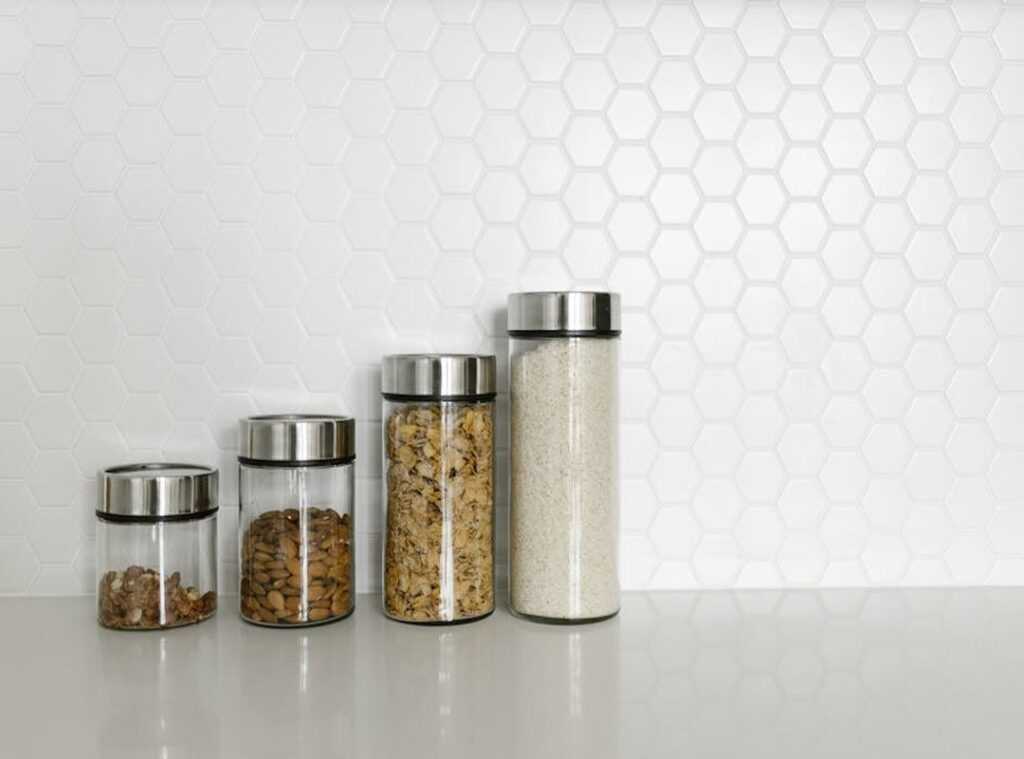
It’s the key to avoiding forgotten, sad produce. Use clear containers for bulk goods. Group ingredients by meal type.
This isn’t just about neatness; it makes cooking faster and less stressful. No more digging through a chaotic pantry for that hard to find can of tomatoes.
Now, the Wash & Chop Station. This is where the magic happens. Keep this area clear.
Clutter slows you down and kills creativity. You need a large cutting board, sharp knives, and a “scrap bowl.” Freshly chopped vegetables make your mouth water, don’t they? It’s like prepping for a culinary masterpiece.
A clean station keeps you in the zone.
Next, the Hot Zone. Think of it as the control center around your stove and oven. Keep oils, spices, and utensils like tongs and spatulas within arm’s reach.
Running around mid-cook? That’s a recipe for disaster. You want to focus on the sizzling food, not a frantic search for the right spoon.
Finally, the Cool & Pack Zone. You need a dedicated counter space to cool hot foods before portioning. It prevents sogginess and keeps food safe.
Textures remain crisp, flavors intact.
Creating a meal prep kitchen isn’t just about efficiency. It’s about enjoying the cooking process. Imagine a Sunday afternoon, prepping meals for the week ahead.
It’s not a chore, it’s a ritual.
This flow transforms how you cook and eat. It’s satisfying, even relaxing. So, are you ready to zone your kitchen?
Speed Up Your Prep: Tools You Need Now
In the world of meal prep, what you need isn’t just sharp knives and sturdy pans. It’s about dialing into those specific tools that turn a kitchen into a powerhouse of efficiency. High-quality, uniform containers are a game-changer.
But which to choose (glass) or plastic? Glass is sleek but heavy. Plastic is light but can stain.
Then there’s the magic of batch-prep heroes. The food processor, for instance, can shred a mountain of veggies in seconds. An immersion blender whips up soups and sauces faster than you can say “bisque.” And let’s talk about the mandoline.
Both have their pros and cons, but one thing’s for sure: they must be stackable and have leak-proof lids. An organized fridge is a thing of beauty, isn’t it?
It slices paper-thin vegetables like a dream (but watch those fingers!). These tools are your secret weapons in the meal prep kitchen.
But here’s a pro tip you really can’t ignore: a simple labeling system. No high-tech gadgets needed. Just a roll of masking tape and a permanent marker.
It’s astonishing how labeling with item names and dates can eliminate mealtime guesswork. Who wants to bite into mystery leftovers anyway?
So, are you ready to organize your kitchen like a pro and really speed up your prep? If you want to dig deeper into organizing a functional kitchen, you might want to learn more. It’s satisfying to see a well-oiled machine in action, especially when it’s your own kitchen.
Grain Bowl Magic: A Week of Flavorful Prep
The first step to a successful week of delicious grain bowls is ‘The Gathering.’ I raid my meal prep kitchen, grabbing grains, veggies, and proteins. You know that feeling when everything’s just right there? It’s a game-changer.
Next, ‘The Processing’ kicks in. I hit the ‘Wash & Chop’ station. Veggies get sliced and diced.
Quinoa, chickpeas, and chicken head to the ‘Hot’ zone for roasting and grilling. The kitchen smells amazing at this point (who knew chickpeas could smell so good?).
Now, it’s time for ‘The Flavor Station.’ This is where the magic happens. I whip up a zesty vinaigrette, chop fresh herbs, and toast some nuts. These little touches make all the difference.
Finally, the ‘Assembly Line.’ I use the ‘Cool & Pack’ zone to portion everything into containers. It keeps lunches fresh, no soggy messes here. Each component stays crisp until you’re ready to dig in.
Ever thought prepping grain bowls could be this satisfying? It’s not just cooking; it’s crafting your week. With a bit of planning, you’re set for flavorful, fuss-free meals.
Simple, right? Now, go make your kitchen work for you!
Transform Your Kitchen Chaos Into Calm
Ever felt like your kitchen’s a battlefield during meal prep? I get it. It’s a mess.
But this chaos can become calm. Creating a meal prep kitchen is your answer. Turn your meal prep into a soothing routine, not a stressful task.
This week, start small. Clear a single countertop. Call it your ‘Wash & Chop’ station.
Try it. Trust me, it works wonders. You’ll see meals become easier, more enjoyable.
Want consistently delicious, stress-free meals? Here’s your first step. Dive in and define just one zone.
Discover how one small change can make a big difference.
 Founder & Chief Culinary Officer
There is a specific skill involved in explaining something clearly — one that is completely separate from actually knowing the subject. Zayric Mythvale has both. They has spent years working with global cuisine explorations in a hands-on capacity, and an equal amount of time figuring out how to translate that experience into writing that people with different backgrounds can actually absorb and use.
Zayric tends to approach complex subjects — Global Cuisine Explorations, Flavor Enhancement Hacks, Culinary Buzz being good examples — by starting with what the reader already knows, then building outward from there rather than dropping them in the deep end. It sounds like a small thing. In practice it makes a significant difference in whether someone finishes the article or abandons it halfway through. They is also good at knowing when to stop — a surprisingly underrated skill. Some writers bury useful information under so many caveats and qualifications that the point disappears. Zayric knows where the point is and gets there without too many detours.
The practical effect of all this is that people who read Zayric's work tend to come away actually capable of doing something with it. Not just vaguely informed — actually capable. For a writer working in global cuisine explorations, that is probably the best possible outcome, and it's the standard Zayric holds they's own work to.
Founder & Chief Culinary Officer
There is a specific skill involved in explaining something clearly — one that is completely separate from actually knowing the subject. Zayric Mythvale has both. They has spent years working with global cuisine explorations in a hands-on capacity, and an equal amount of time figuring out how to translate that experience into writing that people with different backgrounds can actually absorb and use.
Zayric tends to approach complex subjects — Global Cuisine Explorations, Flavor Enhancement Hacks, Culinary Buzz being good examples — by starting with what the reader already knows, then building outward from there rather than dropping them in the deep end. It sounds like a small thing. In practice it makes a significant difference in whether someone finishes the article or abandons it halfway through. They is also good at knowing when to stop — a surprisingly underrated skill. Some writers bury useful information under so many caveats and qualifications that the point disappears. Zayric knows where the point is and gets there without too many detours.
The practical effect of all this is that people who read Zayric's work tend to come away actually capable of doing something with it. Not just vaguely informed — actually capable. For a writer working in global cuisine explorations, that is probably the best possible outcome, and it's the standard Zayric holds they's own work to.