Navigating the grocery store can feel like a game of deciphering hidden messages. Ever picked up a product and wondered what all those numbers and terms mean? I get it. Food labels understanding isn’t just a skill.
It’s a necessity in today’s world where we’re bombarded with choices. You’re not alone if you’ve ever thought, “Is this really healthy, or just pretending to be?”
We all want what’s best for our bodies, but getting there involves more than just grabbing the “low-fat” option. It’s about digging deeper and actually understanding what those labels are trying to tell us.
I’ll be your guide through this maze, breaking down the jargon and revealing what you really need to know. We consulted leading nutritionists to bring you the best takeaways. By the end, you’ll read with confidence but make informed decisions for yourself.
Ready to discover what’s really on your plate?
The Story Behind the Sticker: Decoding Food Labels
When I pick up a product at the store, its label is like a story waiting to be read. Think of it as the product’s “recipe card” before you even open it. The front of the package?
That’s just marketing fluff. It’s the delicious promise, but you know what? The truth lies in the fine print on the back.
First, let’s talk about the ingredient list. This is the real recipe. It’s where the magic.
And sometimes the monstrosity. Happens. Ever noticed how sugar sneaks in under different names?
You gotta be the detective here. Ignore the front-of-package claims for a second and flip it over. you’ll find the truth.
Now, the Nutrition Facts Panel. It’s like the technical specs for your dish. Sodium, for example, isn’t just a health bogeyman.
Think of it as pre-seasoning. High sodium means less salt needed in your cooking. Sugar?
It’s not just about sweetness. It affects browning and caramelization. Knowing this can help you control the final dish.
And fat? Oh, don’t even get me started. It’s a flavor carrier.
The type of fat (olive oil vs. soybean oil) can reveal a lot about quality and taste.
Every chef knows the kitchen needs to be functional. If you want more tips on how to organize a functional kitchen, check that out. You’ll find it’s easier to dive into ingredient lists when your kitchen is ready for action.
Food labels understanding is not just about health. It’s about taste, texture, and ultimately, the pleasure of eating.
Decoding Your Ingredient List: Find Your Secret Flavor
Let’s dive right in. If you’re serious about flavor, you need to understand the secret map in front of your eyes: the ingredient list. The most important rule?
Ingredients are listed in descending order by weight. So those first 3-5 ingredients? They tell you almost everything you need to know.
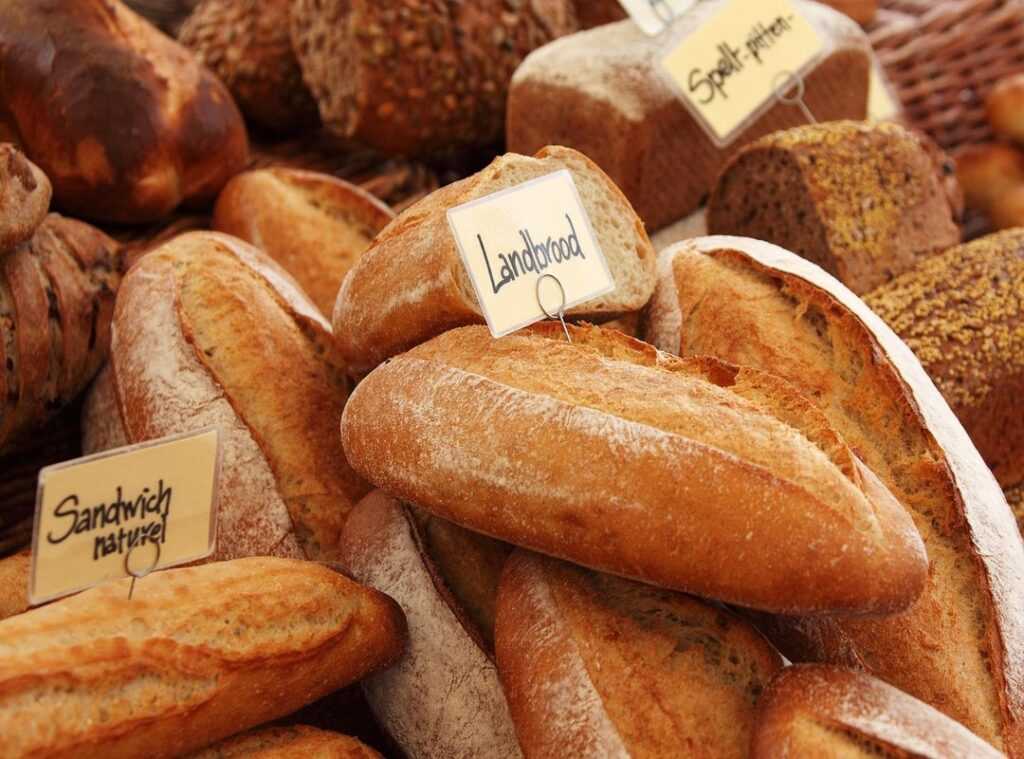
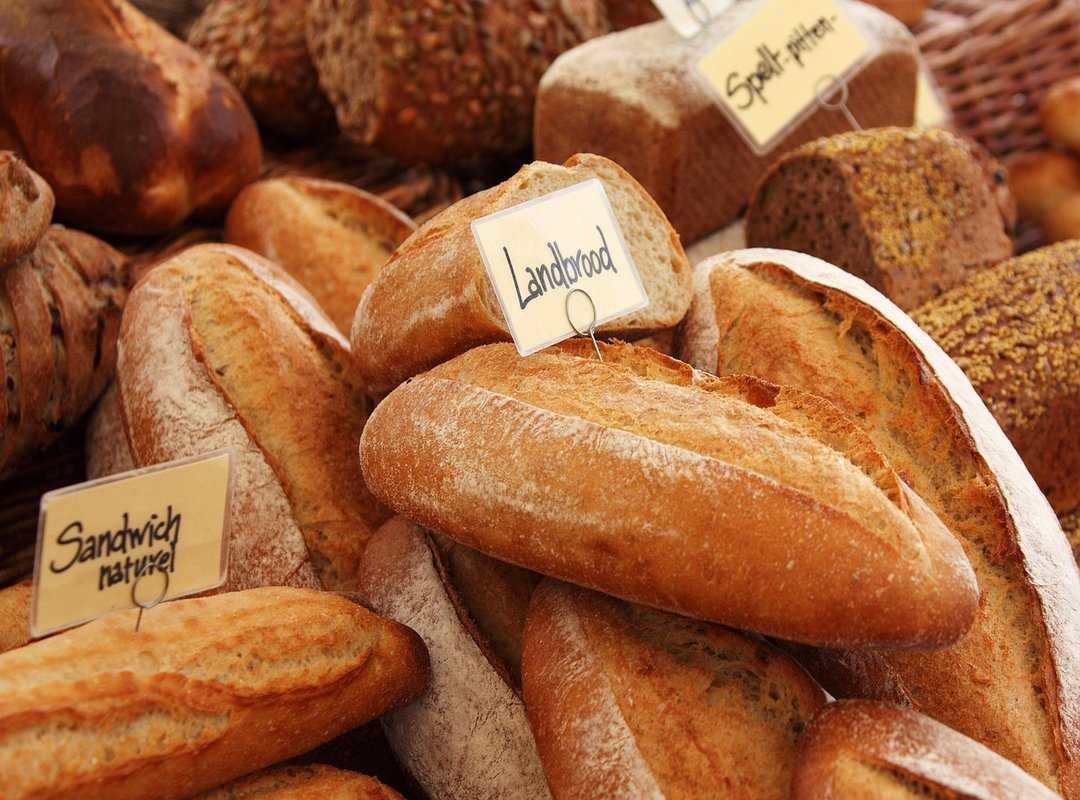
Here’s the kicker: shorter lists with recognizable ingredients usually mean better, more authentic flavors. Imagine two loaves of bread. One is high-quality.
Ingredients: Whole wheat flour, water, honey, salt, yeast. You can taste the rich, nutty flavor with every bite. It’s simple yet solid.
Now, consider mass-market bread. Ingredients: Enriched flour, water, high-fructose corn syrup, soybean oil, dough conditioners. See it?
These extras dilute the flavor. They’re mostly for shelf life, not taste.
It’s a common trap. More ingredients often mean more additives. These can mask the true taste of the food.
So let’s talk red flags. Watch out for these: “artificial flavors,” “modified food starch,” “high-fructose corn syrup.” Each one compromises authentic taste. Artificial flavors try to mimic the real thing.
But who wants a knock-off?
Modified food starch thickens, bulks, but sacrifices flavor. And high-fructose corn syrup? It’s just empty sweetness that clogs the palate.
Wondering if all this matters? It does if you care about what’s in your food. And who doesn’t?
For a deeper dive into reading these lists, get some food labels understanding.
Pro tip: when in doubt, pick products with fewer ingredients. Less is indeed more when it comes to taste. Trust me, once you start paying attention, you’ll never look at food the same way again.
Bottom line, your taste buds will thank you. And isn’t that what really matters?
Decoding Food Labels: What “Natural” Really Means
Ever felt hoodwinked by food labels? You’re not alone. Words like “natural,” “gourmet,” and “premium” seem designed to confuse us.
They promise the moon but often deliver, well, nothing special. Let’s cut through the noise.
Take “natural,” for instance. The FDA hasn’t nailed down what this means, so it can sneak onto products loaded with corn syrup and preservatives. Pretty sneaky, right?
Be skeptical. Don’t let a “natural” label fool you into thinking you’re buying something pure.
And then there’s “organic.” This one’s a bit more legit. The USDA actually regulates this term, focusing on farming methods. What’s the payoff?
Maybe your organic tomatoes pack more punch, taste-wise (less watery, more flavor). It’s a real thing, unlike those nebulous “natural” claims.
What about “artisanal” or “hand-crafted”? Sounds fancy, but often it’s pure marketing fluff. Unless that package tells a specific story about the maker or process, it’s just another empty promise.
Look for those stories. They’re the real deal.
Here’s the kicker: the ingredient list is your best friend. Trust it over flashy words on the box. It’s where the truth lives.
Those labels might try to dazzle you, but the ingredient list? It’s got your back.
Want to make your dollar stretch further while buying genuinely good stuff? Check out cooking budget tips saving money. It’ll help you get through the aisles without falling for every label trick in the book.
So next time you’re shopping, remember: natural doesn’t always mean what you think. Food labels understanding is key to getting what you really want (and) deserve.
Don’t Fear the Date: What ‘Sell By’ & ‘Use By’ Really Mean
Expiration dates can feel like a ticking clock on your food. But here’s the thing: these dates are more about quality than safety. Let’s clear up the confusion.
The #1 misconception? Most dates on food labels aren’t about immediate danger. They’re about peak taste. “Sell By” is for the store, not you.
It’s a cue for inventory management. Your yogurt might sit happily in your fridge for days past this date. (Doesn’t that take some pressure off?)
“Best By” or “Best if Used By” is advice from manufacturers about flavor. Your favorite chips might lose a bit of their snap, but they’re still perfectly munchable. It’s all about maintaining that peak experience.
“Use By” is the only date to sweat over, found on things like raw chicken or fresh juice. These are the ones you’d better respect for safety reasons. Stick to this one.
Trust me, you don’t want to roll the dice here.
In the end, trust your senses. Sight and smell are your best friends when it comes to food labels understanding. If it looks and smells fine, it probably is.
Your nose knows.
Grocery Shopping (Your) Next Adventure Awaits
Walking into a grocery store can feel like a maze, right? All those choices can overwhelm you, but not anymore. You’ve got the food labels understanding you need.
Now, you can see beyond flashy packaging to find the real gems. This isn’t just about shopping smart. It’s about transforming how you cook and eat.
Understanding what’s in your food means more delicious meals and less guesswork.
So, what’s next? Try this: grab two versions of the same product on your next trip. Like ketchup or crackers.
Spend 30 seconds comparing their ingredients. See which one tells the better flavor story. You’ll be surprised what you uncover.
Ready to take the leap? Dive in and make your grocery run the start of something delicious.
 Founder & Chief Culinary Officer
There is a specific skill involved in explaining something clearly — one that is completely separate from actually knowing the subject. Zayric Mythvale has both. They has spent years working with global cuisine explorations in a hands-on capacity, and an equal amount of time figuring out how to translate that experience into writing that people with different backgrounds can actually absorb and use.
Zayric tends to approach complex subjects — Global Cuisine Explorations, Flavor Enhancement Hacks, Culinary Buzz being good examples — by starting with what the reader already knows, then building outward from there rather than dropping them in the deep end. It sounds like a small thing. In practice it makes a significant difference in whether someone finishes the article or abandons it halfway through. They is also good at knowing when to stop — a surprisingly underrated skill. Some writers bury useful information under so many caveats and qualifications that the point disappears. Zayric knows where the point is and gets there without too many detours.
The practical effect of all this is that people who read Zayric's work tend to come away actually capable of doing something with it. Not just vaguely informed — actually capable. For a writer working in global cuisine explorations, that is probably the best possible outcome, and it's the standard Zayric holds they's own work to.