
Food trends move fast. One week it’s all about whipped creations and spicy infusions, the next it’s a centuries-old technique rediscovered through social media food culture. If you’re here, you want to understand what’s actually worth tasting, trying, and mastering—not just what’s trending for clicks.
This article dives into the real forces shaping today’s culinary buzz, from global cuisine explorations to smart ingredient fusion techniques that elevate everyday meals. We break down the fundamentals behind viral dishes, explain why certain flavors captivate across cultures, and share practical flavor enhancement hacks you can use immediately in your own kitchen.
Our insights are grounded in hands-on recipe testing, deep dives into food history, and ongoing analysis of emerging culinary movements across digital platforms and global markets. By the end, you’ll not only know what’s trending—you’ll understand why it works and how to make it work for you.
Scroll, save, cook, repeat. Today, algorithms quietly shape our cravings and carts. That’s the engine behind social media food culture. However, not every viral feta pasta deserves pantry space. To separate substance from spectacle, watch three signals:
- Repeatability beyond a reel.
- Ingredient accessibility across regions.
- Technique that builds transferable skill.
Critics argue trends cheapen tradition; admittedly, some do. Yet others democratize global flavors—think gochujang going mainstream. Looking ahead, speculation: AI-curated meal plans will anticipate moods and micronutrients. Meanwhile, creators may pivot toward hyper-local sourcing as audiences crave authenticity. Choose wisely, and your feed becomes a test kitchen.
The 60-Second Recipe: How Short-Form Video Changed Cooking
The rise of TikTok and Reels didn’t just shrink attention spans—it reshaped the modern recipe. Once upon a time, you scrolled through 1,200-word blog posts (with a life story about Tuscany) to get to the ingredient list. Now, dinner unfolds in 60 seconds flat. This is the TikTok Effect: hyper-visual, tightly edited tutorials that prioritize motion over measurement and vibes over verbosity.
Why Feta Pasta Broke the Internet
Take Feta Pasta, one of the defining hits of social media food culture. Its viral mechanics were simple:
- Minimal ingredients, bold color contrast, and a dramatic oven-to-stir reveal.
It wasn’t revolutionary cooking—it was revolutionary packaging. The creamy melt, the burst tomatoes, the effortless “just stir” finale created a satisfying payoff. Add a perceived hack (bake the cheese whole!), and you’ve got shareability baked in.
But here’s the contrarian take: short-form video didn’t make us better cooks. It made us better food watchers. The format often skips critical techniques—heat control, seasoning layers, texture cues. A glossy cheese pull doesn’t teach you why emulsification works (that’s when fat and liquid bind into a smooth sauce).
That doesn’t mean dismissing it. It means using it wisely. Pause the video. Screenshot ingredient lists. Read the comments for timing fixes and substitutions. Most importantly, identify the core technique behind the flash. Trends fade. Fundamentals don’t. (Your future dinners will thank you.)
The Rise of Authenticity and Hyper-Niche Cuisines
Pushback Against Perfection
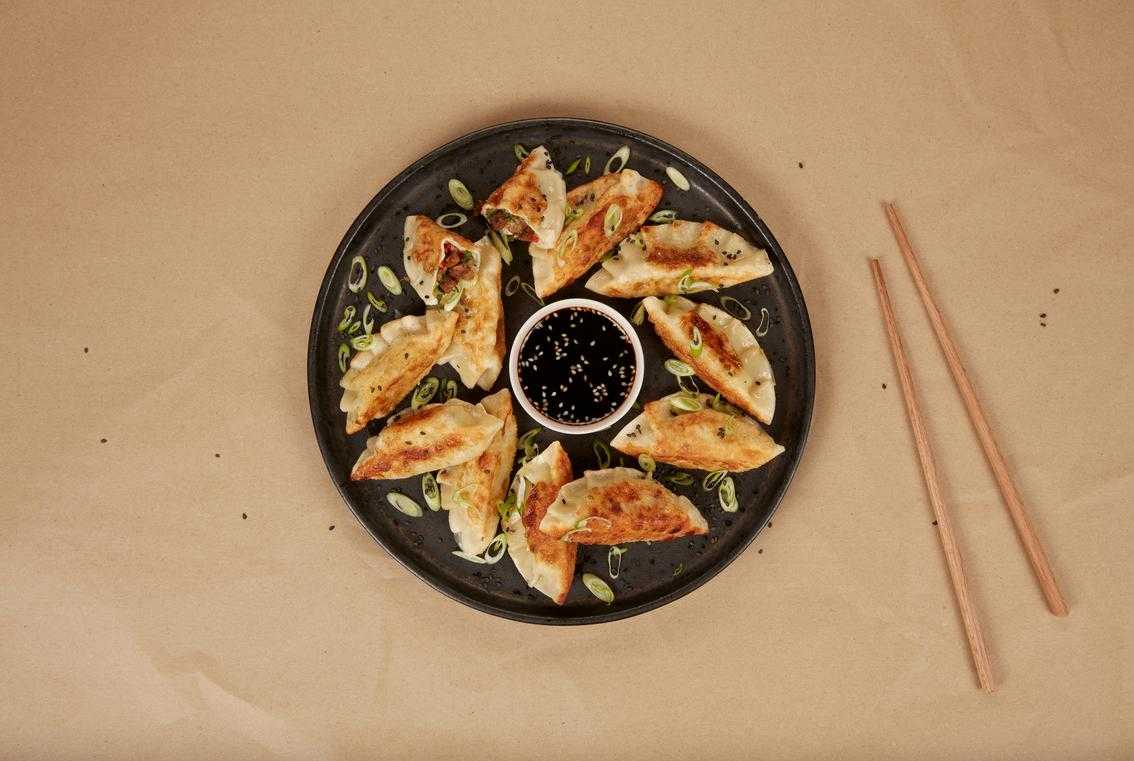
For years, glossy, perfectly plated dishes dominated feeds. Now, there’s a noticeable shift. In cities like Los Angeles and London—where food styling once felt like a competitive sport—creators are embracing “ugly delicious” plates and candid kitchen fails. This pushback, often called de-influencing, favors realism over restaurant-level polish. Burnt edges on Basque cheesecake? Leave them. Crooked dumplings? Even better. The point is trust. Audiences are tired of food that looks inedible in real life (we’ve all been betrayed by a too-perfect recipe video).
Critics argue this trend romanticizes mediocrity. But authenticity isn’t about lowering standards—it’s about transparency. Showing the process, not just the plated result, builds credibility.
Grandma’s Kitchen Goes Global
Meanwhile, hyper-regional recipes are thriving. Home cooks in Oaxaca share mole negro techniques passed down for generations. Families in Busan demonstrate proper kimchi fermentation using onggi (traditional earthenware). What was once locked inside community cookbooks is now discoverable through social media food culture. This global exchange preserves culinary heritage while expanding palates far beyond generic “Asian” or “Latin” supermarket labels.
Ingredient Deep Dives
Creators are also zooming in. Instead of broad cuisine overviews, they explore a single element—like fermented black beans in Cantonese cooking or the science behind a proper sofrito base in Puerto Rican kitchens. This approach blends history, food chemistry, and application (pro tip: blooming spices in oil unlocks fat-soluble flavor compounds).
As a result, home cooks feel empowered to seek specialty grocers, ask butchers specific cuts, and cook with intention rather than approximation.
Ingredient Fusion and the Quest for Novelty
I still remember the first time I tried a sushi taco at a night market—crispy nori shell, vinegared rice, spicy tuna, a drizzle of crema. It sounded chaotic. It tasted…balanced. That’s when I realized novelty isn’t the enemy of flavor—confusion is.
The Algorithm’s Appetite for Novelty
Platforms reward the unexpected. In social media food culture, creators who stack burgers with ramen buns or torch marshmallows onto steak often win attention (for better or worse). The algorithm favors surprise—defined here as a cognitive break from expectation. But clicks don’t guarantee craveability.
Why Some Fusions Actually Work
Successful fusions respect culinary fundamentals:
- Texture contrast (crunchy Korean corn dog batter around stretchy mozzarella)
- Flavor balance (sweet, salty, sour, bitter, umami—the savory depth identified by Kikunae Ikeda in 1908)
- Cultural reference points that feel complementary, not random
Sushi tacos work because they merge formats, not identities. The fillings still honor sushi’s acid-salt balance.
Viral Flavor Enhancement Hacks
Some “hacks” are rooted in science:
- Adding MSG to caramel amplifies savoriness (umami enhances perceived sweetness; see Journal of Food Science, 2014).
- Stirring miso into pasta sauce boosts glutamates, deepening flavor.
Pro tip: Start small—¼ teaspoon can transform a dish without overpowering it.
Spotting Stunt Food
Ask: Would I eat this twice? If harmony is missing, it’s likely spectacle. True innovation builds on fundamentals—much like insights explored in the rise of ghost kitchens and what it means for diners—where concept must still satisfy appetite.
Novelty should invite curiosity. Flavor should invite a second bite.
The creator economy has reshaped how we discover, trust, and buy food. First, consider the leap from influencer to brand. Many recipe developers now launch spice blends, cookware, or even neighborhood pop-ups once their audience proves demand. According to SignalFire, creators are a 50 million–strong workforce (2023). That scale turns attention into leverage. However, skeptics argue online fame is fleeting. They’re right—unless you own a niche. Dominate vegan baking, sourdough science, or 18th-century cooking, and you build trust deep enough to sell anything from starter kits to supper clubs. Meanwhile, social media food culture lets trends rise from group chats, not glossy magazines. So, choose specificity over scale. Test products with your community, iterate quickly, and treat followers like collaborators (not customers). Start small today.
Every scroll delivers a new must-try dish, but not every viral bite deserves pantry space. Start by asking: what technique is actually being used? Is it fermentation, emulsification, caramelization? When you identify the method, you separate timeless skills from temporary hype. Next, consider flavor science—does the sweet-salty balance or umami boost explain the craze? Context matters, too; many hits in social media food culture remix traditional dishes for modern speed. (Not every rainbow bagel is a revolution.) Finally, test small batches. If the core method improves your cooking, keep it. If not, enjoy the show and move on with confidence.
Bring These Flavors to Life
You came here looking to make sense of today’s culinary buzz, master food fundamentals, and experiment with bold ingredient fusion techniques. Now you have the insights to navigate global flavors with confidence and elevate every dish you touch.
The truth is, it’s easy to feel overwhelmed by trends, conflicting advice, and the pressure of keeping up with social media food culture. You don’t just want to follow trends—you want to understand them, refine them, and turn them into unforgettable flavor experiences.
That’s exactly where real culinary growth happens.
Now it’s your move. Start experimenting with one new fusion technique this week. Rework a classic dish with a global twist. Apply one flavor enhancement hack and taste the difference.
If you’re serious about leveling up your kitchen game, keep learning with the #1 trusted source for culinary insights and flavor innovation. Dive deeper, try boldly, and transform every meal into something worth savoring.