Introduction
Scroll through any social media platform for a few minutes, and you’ll notice something interesting: some of the most shared and discussed content isn’t professionally produced advertisements or polished corporate messaging. It’s often simple, funny, relatable content that captures a feeling, a trend, or a shared experience.
That’s the power of memes.
What makes memes unique is their ability to communicate ideas instantly. A single image paired with a few words can spark laughter, create a sense of community, and encourage people to engage in ways that traditional marketing content often struggles to achieve.
For businesses, creators, and marketers, memes offer more than entertainment. They provide an opportunity to connect with audiences on a human level. When used thoughtfully, they can increase engagement, improve brand visibility, and make content more memorable.
Why Memes Have Become a Marketing Staple
The modern internet rewards content that feels authentic. Users are increasingly skeptical of overt advertising, but they’re highly receptive to content that entertains or resonates with their daily experiences.
This shift has encouraged brands to rethink how they communicate online. Instead of constantly promoting products and services, many companies now focus on creating content that people genuinely enjoy interacting with.
For marketers looking to experiment with humorous and shareable content, platforms that let you create your own meme have made it easier than ever to transform ideas into engaging visuals that align with current conversations and trends.
The accessibility of these tools has opened the door for businesses of all sizes to participate in meme culture without needing advanced design skills.
The Science Behind Why Memes Work
At their core, memes succeed because they tap into emotion.
People remember content that makes them laugh, feel understood, or recognize a familiar situation. Memes often combine humor with shared experiences, making them naturally relatable.
Consider how often people send memes to friends, coworkers, or family members. In many cases, the meme acts as a shortcut for communication.
Instead of saying, “This reminds me of you,” they simply share a meme that captures the feeling.
For brands, this creates a powerful opportunity. When audiences voluntarily share your content, your reach expands organically.
Building a More Human Brand
One of the biggest challenges businesses face online is appearing approachable.
Corporate messaging can sometimes feel distant or overly formal. Memes help bridge that gap by introducing personality into content strategies.
Showing Authenticity
Consumers increasingly want to support brands that feel genuine.
Humorous content can reveal a company’s culture, values, and understanding of its audience without relying on traditional promotional tactics.
Encouraging Conversation
Memes naturally invite reactions.
People comment on them, tag friends, and share their own experiences. This interaction helps create stronger connections between brands and their communities.
Standing Out From Competitors
Many industries are filled with businesses producing similar content.
A well-executed meme can differentiate a brand and make it more memorable than competitors who rely solely on conventional marketing approaches.
Practical Ways Businesses Use Memes
Memes aren’t limited to consumer brands. Organizations across various industries have found creative ways to use them effectively.
Social Media Engagement
This is perhaps the most obvious application.
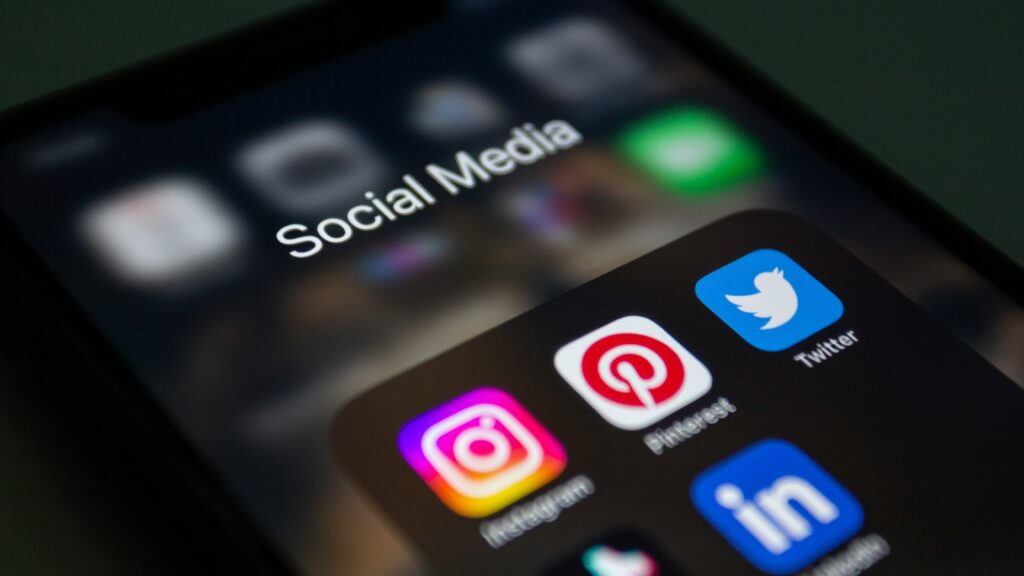
Brands use memes to participate in trending conversations, respond to current events, and increase visibility on platforms like Instagram, Facebook, LinkedIn, and X.
Internal Communication
Companies increasingly use lighthearted visuals and memes to improve workplace communication and boost employee engagement.
Educational Content
Teachers, trainers, and educational organizations often use memes to simplify complex concepts and make learning more enjoyable.
Customer Support
Some brands use humorous content to make support interactions feel friendlier and less transactional.
Tips for Creating Better Memes
Not every meme will resonate with your audience. Success often comes from understanding a few key principles.
Know Your Audience
A meme that appeals to college students may not resonate with business executives.
Understanding your audience’s interests, challenges, and sense of humor is essential.
Keep It Timely
Internet culture moves quickly.
While some meme formats remain popular for years, many trends have a short lifespan. Staying current can improve engagement significantly.
Prioritize Clarity
If people need to spend too much time figuring out the joke, the impact may be lost.
The strongest memes communicate their message almost instantly.
Stay Consistent With Your Brand
Humor should enhance your brand identity, not confuse it.
Choose content that aligns with your voice and audience expectations.
Common Mistakes to Avoid
Forcing Trends
Not every trend fits every business.
Trying too hard to appear relevant can sometimes have the opposite effect.
Being Overly Promotional
The best memes rarely feel like advertisements.
Focus on entertainment and relatability first. Promotion can come later.
Ignoring Context
A joke that seems harmless may be interpreted differently by various audiences.
Always consider how content might be perceived before publishing.
Why Memes Are Here to Stay
Some marketing tactics come and go, but memes have demonstrated remarkable staying power.
Their formats continue evolving, yet the underlying principle remains the same: people enjoy sharing content that reflects their experiences.
As social platforms evolve and new technologies emerge, memes will likely adapt alongside them. Their ability to combine humor, culture, and communication ensures they remain relevant across changing digital landscapes.
Conclusion
The most effective marketing often feels less like marketing and more like conversation. Memes excel because they create moments of connection between people, ideas, and brands.
When used strategically, they can increase engagement, strengthen relationships with audiences, and make content significantly more memorable. More importantly, they help businesses communicate in a way that feels natural rather than promotional.
In a digital world where attention is difficult to earn, content that sparks laughter, recognition, and sharing remains one of the most valuable assets a brand can have.
 Culinary Content Strategist
There is a specific skill involved in explaining something clearly — one that is completely separate from actually knowing the subject. Amanda Stewartivenyo has both. They has spent years working with culinary buzz in a hands-on capacity, and an equal amount of time figuring out how to translate that experience into writing that people with different backgrounds can actually absorb and use.
Amanda tends to approach complex subjects — Culinary Buzz, Explore More, Flavor Enhancement Hacks being good examples — by starting with what the reader already knows, then building outward from there rather than dropping them in the deep end. It sounds like a small thing. In practice it makes a significant difference in whether someone finishes the article or abandons it halfway through. They is also good at knowing when to stop — a surprisingly underrated skill. Some writers bury useful information under so many caveats and qualifications that the point disappears. Amanda knows where the point is and gets there without too many detours.
The practical effect of all this is that people who read Amanda's work tend to come away actually capable of doing something with it. Not just vaguely informed — actually capable. For a writer working in culinary buzz, that is probably the best possible outcome, and it's the standard Amanda holds they's own work to.
Culinary Content Strategist
There is a specific skill involved in explaining something clearly — one that is completely separate from actually knowing the subject. Amanda Stewartivenyo has both. They has spent years working with culinary buzz in a hands-on capacity, and an equal amount of time figuring out how to translate that experience into writing that people with different backgrounds can actually absorb and use.
Amanda tends to approach complex subjects — Culinary Buzz, Explore More, Flavor Enhancement Hacks being good examples — by starting with what the reader already knows, then building outward from there rather than dropping them in the deep end. It sounds like a small thing. In practice it makes a significant difference in whether someone finishes the article or abandons it halfway through. They is also good at knowing when to stop — a surprisingly underrated skill. Some writers bury useful information under so many caveats and qualifications that the point disappears. Amanda knows where the point is and gets there without too many detours.
The practical effect of all this is that people who read Amanda's work tend to come away actually capable of doing something with it. Not just vaguely informed — actually capable. For a writer working in culinary buzz, that is probably the best possible outcome, and it's the standard Amanda holds they's own work to.