Curious about the latest culinary buzz and how to actually use it in your own kitchen? This article is designed to turn trending flavors and global inspirations into practical techniques you can apply today. From food fundamentals to creative ingredient pairings, we break down what’s gaining attention in the culinary world—and why it matters for your cooking.
You’ll discover how global cuisine explorations influence modern plates, how unexpected ingredient fusion can elevate everyday meals, and how smart flavor enhancement hacks make a noticeable difference. We also take a closer look at herb and spice blending to show you how thoughtful combinations can transform simple dishes into memorable ones.
Our insights are grounded in careful research, culinary trend analysis, and tested kitchen techniques, so you’re not just reading about what’s popular—you’re learning how to use it with confidence. Whether you’re experimenting at home or refining your skills, this guide helps you cook with clarity, creativity, and purpose.
Creating custom spice blends puts you in control of flavor, freshness, and cost. Store-bought mixes often contain anti-caking agents like silicon dioxide and can lose essential oils within months, dulling taste (spices typically fade after 6–12 months, per USDA guidance). With herb and spice blending, you choose whole ingredients, toast them to release volatile oils, and grind as needed for maximum aroma.
Key features to focus on:
- Freshly ground base notes such as cumin or coriander for depth
- Bright top notes like citrus zest or sumac for lift
- A pinch of salt to amplify perception of flavor
Why Blend Your Own? The Benefits Beyond the Bottle
Store-bought blends offer convenience; freshly mixed spices deliver performance. Ultimate Freshness and Potency come down to volatile oils—aromatic compounds that evaporate over time (that dusty jar from 2019? It knows). When you grind and mix on demand, those oils stay intact, meaning vivid flavor and stronger aroma. A vs B: pre-ground paprika that tastes flat versus freshly milled pods that bloom in hot oil like a scene from Ratatouille.
Complete Ingredient Control means no fillers, excess salt, sugar, or MSG unless you want them. Managing sodium? Build a low-salt taco mix. Avoiding additives? You’re in charge.
Cost-Effectiveness is real: bulk spices cost less per ounce than multiple niche jars (USDA pricing data shows bulk savings).
Finally, Unleash Creativity. Herb and spice blending turns dinner into a lab experiment—in a good way. Craft a steak rub or curry powder that’s unmistakably yours.
The Blender’s Toolkit: Essential Spices and Equipment
First things first, you don’t need a chef’s kitchen to build bold flavor. Start with a dedicated spice grinder (a basic coffee grinder works beautifully), airtight glass jars, measuring spoons, and a small mixing bowl. That’s it. (No marble mortar required—unless you want the Instagram moment.)
Next, stock your Pantry Foundation. These are your everyday workhorses: cumin, coriander, black peppercorns, smoked paprika, sweet paprika, garlic powder, onion powder, cayenne, chili flakes, turmeric, ground ginger, and kosher salt. With just cumin, coriander, and paprika, for example, you can build taco seasoning, curry bases, or dry rubs.
Then, layer in Accent Spices for personality: star anise, cardamom, dried mustard, celery seed, oregano, thyme, cloves, and fennel seed. A pinch of cardamom in coffee or star anise in braised beef adds intrigue (the kind that makes guests ask questions).
Now, here’s the game-changer: whole vs. ground. Buy whole spices when possible. Toast them in a dry pan for 30–60 seconds until fragrant, cool slightly, then grind. This releases essential oils for deeper, more complex flavor—crucial in herb and spice blending. Pro tip: grind small batches monthly for peak potency.
The Art of Flavor Fusion: A Step-by-Step Blending Method
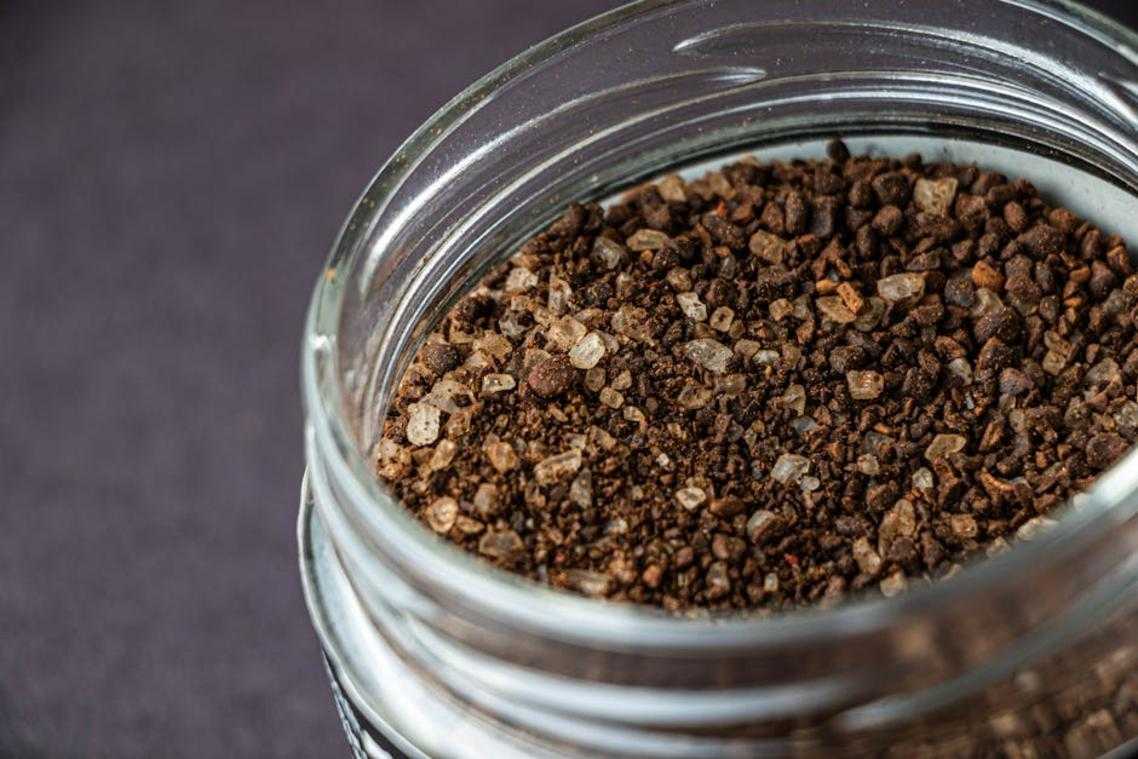
Great flavor doesn’t happen by accident. It’s built—layer by layer—so you control the outcome instead of hoping for magic. When you understand the method behind herb and spice blending, you unlock deeper taste, better balance, and total kitchen confidence.
Step 1: Toast for Depth
Toasting whole spices in a dry pan (no oil) over medium-low heat awakens their essential oils—the aromatic compounds responsible for flavor. Stir constantly for 2–4 minutes. You’ll know they’re ready when the aroma intensifies and the spices slightly darken. (If they smell smoky or bitter, you’ve gone too far.)
Benefit: Toasting adds complexity you simply can’t get from raw spices—like turning up the contrast on a photo.
Step 2: Cool and Grind
Let spices cool completely before grinding. Grinding warm spices traps steam, causing clumping and flavor loss. Use a spice grinder or mortar and pestle for control.
What’s in it for you? A smoother texture and a fresher, more vibrant blend.
Step 3: The 3-2-1 Rule
Start simple: 3 parts base (cumin), 2 parts major flavor (smoked paprika), 1 part accent/heat (cayenne). This foundational ratio ensures balance without guesswork.
Think of it like building a playlist—one dominant vibe, one strong supporter, one bold cameo.
Step 4: Balance Flavor Profiles
Chefs think beyond ratios. They balance:
- Savory: garlic or onion powder
- Earthy: cumin or coriander
- Heat: peppers
- Smoky: paprika
- Sweet: cinnamon or allspice
- Bright: dried citrus zest
When these elements work together, dishes taste intentional—not random. For inspiration, explore unexpected ingredient pairings that actually work.
Step 5: Mix, Store, and Label
Whisk thoroughly, store in an airtight, light-proof jar, and label with the date. Proper storage preserves potency for up to six months.
The payoff? Bold, customized flavor—every single time.
Three Foundational Blends to Make Today
1. All-Purpose Savory Rub
A dependable savory rub is the weeknight hero. Combine smoked paprika, garlic powder, onion powder, black pepper, salt, and a touch of brown sugar. The paprika delivers gentle heat and color; brown sugar promotes caramelization (that golden crust everyone fights over). Use 1 tablespoon per pound of chicken, pork, or vegetables for balanced coverage without overpowering natural flavors.
2. Warming Curry Powder
This foundational curry blend includes coriander, cumin, turmeric, ginger, black pepper, cinnamon, and cardamom. Coriander adds citrus notes, cumin brings earthiness, and turmeric provides color and anti-inflammatory compounds (Curcumin is widely studied; see NIH research). Adjust ratios to control heat and sweetness—herb and spice blending turns one base into countless regional profiles.
3. Zesty Herb Mix
A salt-free mix of dried oregano, basil, thyme, dried lemon zest, and garlic powder brightens salads, fish, and sauces. The lemon zest adds acidity without liquid, keeping textures crisp. Pro tip: crush dried herbs between your fingers to release essential oils before sprinkling.
Now you have the tools to craft blends that crackle in a hot pan and bloom with aroma. Say goodbye to dusty, overpriced jars languishing in the back of the cupboard. Instead, picture cumin seeds popping like faint applause as they toast, releasing a warm, nutty perfume. Grinding them feels almost meditative; the texture shifts from gritty shards to silken powder. That’s the quiet power of herb and spice blending: control, clarity, character. Of course, some argue store-bought is convenient—and it is. Yet convenience rarely tastes this alive. Start with a classic, then swap one note. Listen, taste, adjust.
By experimenting with blending herbs and spices from various cuisines, you can create unique flavor profiles that not only enhance your dishes but also perfectly complement the Finishing Touches That Elevate Home-Cooked Recipes.
Elevate Every Dish with Confidence
You came here looking for practical ways to master flavor, explore global cuisine, and make your cooking more intentional. Now you have the foundation to experiment boldly, combine ingredients with purpose, and refine your approach to herb and spice blending so every meal tastes layered and memorable.
Cooking frustration often comes from bland results, wasted ingredients, or flavors that just don’t balance. With the right techniques and a deeper understanding of flavor structure, you eliminate guesswork and start creating dishes that truly impress.
The next step is simple: start applying one new fusion technique this week and build your own signature blends. If you’re ready to stop serving average meals and start crafting unforgettable ones, explore our proven flavor guides and expert-backed tips trusted by thousands of passionate home cooks. Dive in now and transform your kitchen into a space where bold, balanced flavor is the standard—not the exception.
 Flavor & Technique Specialist
Gene Omanivano has opinions about culinary buzz. Informed ones, backed by real experience — but opinions nonetheless, and they doesn't try to disguise them as neutral observation. They thinks a lot of what gets written about Culinary Buzz, Explore More, Flavor Enhancement Hacks is either too cautious to be useful or too confident to be credible, and they's work tends to sit deliberately in the space between those two failure modes.
Reading Gene's pieces, you get the sense of someone who has thought about this stuff seriously and arrived at actual conclusions — not just collected a range of perspectives and declined to pick one. That can be uncomfortable when they lands on something you disagree with. It's also why the writing is worth engaging with. Gene isn't interested in telling people what they want to hear. They is interested in telling them what they actually thinks, with enough reasoning behind it that you can push back if you want to. That kind of intellectual honesty is rarer than it should be.
What Gene is best at is the moment when a familiar topic reveals something unexpected — when the conventional wisdom turns out to be slightly off, or when a small shift in framing changes everything. They finds those moments consistently, which is why they's work tends to generate real discussion rather than just passive agreement.
Flavor & Technique Specialist
Gene Omanivano has opinions about culinary buzz. Informed ones, backed by real experience — but opinions nonetheless, and they doesn't try to disguise them as neutral observation. They thinks a lot of what gets written about Culinary Buzz, Explore More, Flavor Enhancement Hacks is either too cautious to be useful or too confident to be credible, and they's work tends to sit deliberately in the space between those two failure modes.
Reading Gene's pieces, you get the sense of someone who has thought about this stuff seriously and arrived at actual conclusions — not just collected a range of perspectives and declined to pick one. That can be uncomfortable when they lands on something you disagree with. It's also why the writing is worth engaging with. Gene isn't interested in telling people what they want to hear. They is interested in telling them what they actually thinks, with enough reasoning behind it that you can push back if you want to. That kind of intellectual honesty is rarer than it should be.
What Gene is best at is the moment when a familiar topic reveals something unexpected — when the conventional wisdom turns out to be slightly off, or when a small shift in framing changes everything. They finds those moments consistently, which is why they's work tends to generate real discussion rather than just passive agreement.