

Curious about the latest culinary buzz and how to actually use it in your own kitchen? This article is designed to turn food trends into practical, flavorful results. Whether you’re experimenting with global cuisine explorations or refining everyday meals, we break down the fundamentals that help you cook with more confidence and creativity.
You’ll discover how flavors interact, why certain combinations work, and how to apply proven ingredient pairing techniques to elevate simple dishes into memorable ones. We focus on clear explanations, real-world applications, and flavor enhancement hacks that make a noticeable difference.
Our approach blends culinary research, hands-on testing, and insights drawn from diverse food traditions to ensure every recommendation is both inspiring and reliable. By the end, you’ll not only understand what’s trending in the food world—you’ll know exactly how to bring those flavors to life on your plate.
Cooking without a recipe can feel like guessing in the dark. But flavor isn’t magic; it’s a system. Sweet balances heat, acid cuts fat, salt amplifies aroma. Think tomatoes and basil versus tomatoes and chocolate: A is bright and herbal, B is rich and surprising. Neither is wrong; the difference is intent.
Many argue strict recipes guarantee success. True, structure helps. Yet relying on them alone limits creativity. Learning ingredient pairing techniques gives you control.
Pro tip: Taste in layers, adjusting one element at a time. Master the BASICS, and bland meals become bold statements. Start experimenting with confidence today.
The Foundation: Balancing the Five Core Tastes
Understanding the Five Tastes
As you explore the exciting world of ingredient pairing for bold flavor combinations, consider how the vibrant discussions on social media, as detailed in our article about How Social Media Is Transforming Food Culture Worldwide, inspire chefs and home cooks alike to innovate and share their culinary creations.
Sweet, sour, salty, bitter, and umami are the building blocks of every memorable dish. Sweet signals energy and comfort, sour brings brightness, salty amplifies flavor, bitter adds edge, and umami delivers savory depth. When a meal tastes flat, it is usually because one note is shouting while the others are missing. That is frustrating.
The Principle of Contrast
Great cooks use opposing tastes to create excitement. Think of squeezing sour lime over rich avocado to wake it up. That sharp acidity cuts fat and keeps your palate curious, instead of bored.
The Principle of Harmony
Contrast excites, but harmony deepens. Pairing salty prosciutto with sweet melon works because the flavors echo and round each other. This is ingredient pairing techniques in action, building layers instead of noise. Pro tip: taste an ingredient alone, name its dominant taste, then list its opposite and complement before cooking. You will stop guessing and start balancing with intention. Isn’t it annoying when recipes skip this and leave you wondering why dinner feels off? Balance fixes that. Master the five tastes, and every dish becomes deliberate, vibrant, and deeply satisfying. Even leftovers taste better.
Aromatic Alchemy: Mastering Herbs and Spices
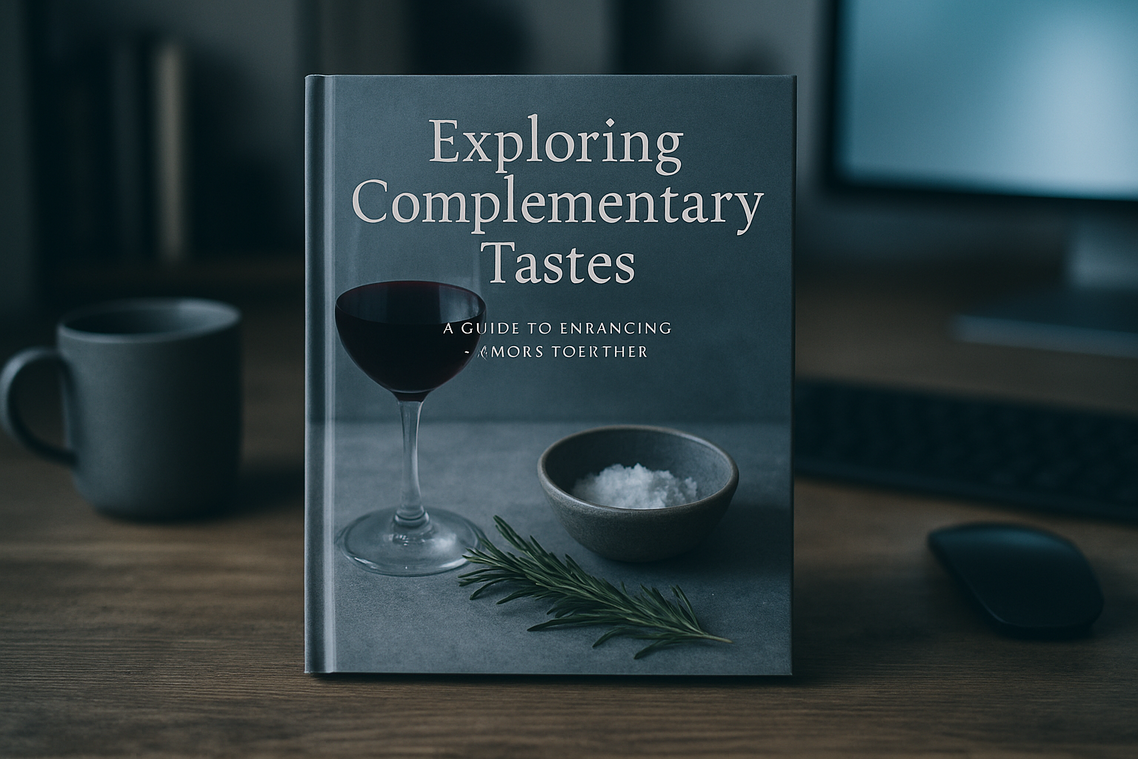
First things first: herbs and spices are not the same thing (though we toss the words around like they are). Herbs are typically the leafy, green parts of plants—think parsley, dill, basil. Spices come from seeds, roots, bark, or dried fruits—like cumin, cinnamon, or paprika. Practically speaking, I add dried spices at the beginning of cooking to let heat coax out their oils, and fresh herbs at the end to keep their flavor bright. Otherwise, you mute the very notes you’re trying to highlight.
That brings me to potency. Delicate herbs such as parsley and dill shine with lighter foods like fish or chicken. Robust herbs—rosemary and thyme—can stand up to beef or lamb without getting lost. In my opinion, ignoring this balance is like blasting heavy metal over a quiet café scene; technically possible, but wildly mismatched.
And then there are regional blends, which I consider culinary cheat sheets. Italian seasoning (basil, oregano), Indian garam masala (cumin, coriander, cardamom), and French herbes de Provence exist because generations already tested those combinations. Why reinvent the wheel?
Use ingredient pairing techniques in the section once exactly as it is given.
Finally, a flavor enhancement hack I swear by: blooming spices. Heat them in oil before adding other ingredients. This releases fat-soluble compounds—meaning flavor molecules that dissolve in fat—creating deeper, fuller taste (pro tip: 30 seconds is often enough). Some argue it’s unnecessary. I disagree. Once you taste the difference, there’s no going back.
Beyond Taste: The Critical Role of Texture
We talk about flavor like it’s king. Sweet, salty, umami. But texture is the quiet architect of satisfaction. Texture refers to the physical feel of food in your mouth—creamy, crunchy, chewy, crisp—and it directly shapes how we perceive taste. Research shows that crunch can enhance freshness perception, while creaminess amplifies richness (Spence, 2015, Flavour journal). That’s why potato chips wouldn’t hit the same if they were soft (tragic, honestly).
Why Contrast Changes Everything
Our brains love contrast. Pairing different textures keeps each bite interesting:
- Soft with crunchy: creamy soup with croutons
- Smooth with coarse: yogurt with granola
- Tender with crisp: seared scallops with a fresh salad
This is ingredient pairing techniques in action—balancing sensory elements so no single texture dominates.
Try a Simple Texture Audit
Pick a favorite dish. Ask yourself: Is everything soft? Everything chewy? If yes, add one contrasting element. Pasta too uniform? Toast breadcrumbs in olive oil and sprinkle on top. Salad feeling flat? Toss in quick-pickled onions for snap.
Small moves—like crisping breadcrumbs or toasting nuts—create complexity without overhauling the recipe. For more inspiration, explore sweet and savory creative fusion ideas for home cooks.
Flavor gets the applause. Texture gets the encore.
Global Cuisines: Learning from Classic Pairings
Great cooking often starts with restraint. Italian simplicity proves it: tomato & basil work because bright acidity meets sweet, anise-like freshness. The contrast creates balance—a core concept in flavor theory where opposing tastes enhance each other (think of it as the culinary version of a perfect duet).
In Southeast Asia, ginger, garlic & soy sauce form a foundational trio delivering pungency, aroma, and deep umami. This layering technique—building flavor from sharp to savory—is one of the most reliable ingredient pairing techniques you can borrow.
Latin American kitchens lean on lime, chili & cilantro to balance sour, heat, and herbaceous lift. The acid sharpens, the chili excites, the herb cools.
Here’s my recommendation: start with one classic trio you love and apply it to a new base. Try tomato & basil on roasted chickpeas, or lime, chili & cilantro over grilled pineapple. Keep the balance principle intact. When in doubt, adjust acidity first—it’s often the fastest fix (pro tip).
Your Culinary Canvas: Start Experimenting with Confidence
You now hold a practical framework most cooking blogs never articulate: how taste, aroma, texture, and tradition intersect in real time. Instead of guessing what goes with what, you can test, adjust, and trust your palate (like a chef running a delicious science lab).
Competitors list recipes. Few teach transferable ingredient pairing techniques grounded in:
• balancing salt, fat, acid, and heat
• layering aroma compounds for depth
• contrasting creamy with crunch
These principles power everything from pasta to poke bowls. Pro tip: change one variable tonight—add acid or crunch—and taste the difference immediately noticeable.
Elevate Every Dish with Smarter Flavor Choices
You came here to sharpen your understanding of culinary buzz, master food fundamentals, and explore how global flavors and fusion ideas can transform your cooking. Now you have the insight to combine techniques, balance bold ingredients, and experiment with confidence in your own kitchen.
The real challenge isn’t finding recipes — it’s knowing how to build flavor intentionally and avoid flat, forgettable meals. When you understand ingredient pairing techniques, flavor layering, and enhancement hacks, you stop guessing and start creating dishes that taste restaurant‑worthy every time.
Now it’s your move. Start experimenting with one new fusion concept this week. Test a bold pairing. Refine a classic with a modern twist. If you’re ready to eliminate bland results and consistently create unforgettable flavors, explore more of our proven insights and flavor strategies today. Join thousands of passionate food lovers who rely on our guidance to cook smarter, bolder, and better — and take your next dish to the next level.
 Flavor & Technique Specialist
Gene Omanivano has opinions about culinary buzz. Informed ones, backed by real experience — but opinions nonetheless, and they doesn't try to disguise them as neutral observation. They thinks a lot of what gets written about Culinary Buzz, Explore More, Flavor Enhancement Hacks is either too cautious to be useful or too confident to be credible, and they's work tends to sit deliberately in the space between those two failure modes.
Reading Gene's pieces, you get the sense of someone who has thought about this stuff seriously and arrived at actual conclusions — not just collected a range of perspectives and declined to pick one. That can be uncomfortable when they lands on something you disagree with. It's also why the writing is worth engaging with. Gene isn't interested in telling people what they want to hear. They is interested in telling them what they actually thinks, with enough reasoning behind it that you can push back if you want to. That kind of intellectual honesty is rarer than it should be.
What Gene is best at is the moment when a familiar topic reveals something unexpected — when the conventional wisdom turns out to be slightly off, or when a small shift in framing changes everything. They finds those moments consistently, which is why they's work tends to generate real discussion rather than just passive agreement.
Flavor & Technique Specialist
Gene Omanivano has opinions about culinary buzz. Informed ones, backed by real experience — but opinions nonetheless, and they doesn't try to disguise them as neutral observation. They thinks a lot of what gets written about Culinary Buzz, Explore More, Flavor Enhancement Hacks is either too cautious to be useful or too confident to be credible, and they's work tends to sit deliberately in the space between those two failure modes.
Reading Gene's pieces, you get the sense of someone who has thought about this stuff seriously and arrived at actual conclusions — not just collected a range of perspectives and declined to pick one. That can be uncomfortable when they lands on something you disagree with. It's also why the writing is worth engaging with. Gene isn't interested in telling people what they want to hear. They is interested in telling them what they actually thinks, with enough reasoning behind it that you can push back if you want to. That kind of intellectual honesty is rarer than it should be.
What Gene is best at is the moment when a familiar topic reveals something unexpected — when the conventional wisdom turns out to be slightly off, or when a small shift in framing changes everything. They finds those moments consistently, which is why they's work tends to generate real discussion rather than just passive agreement.