
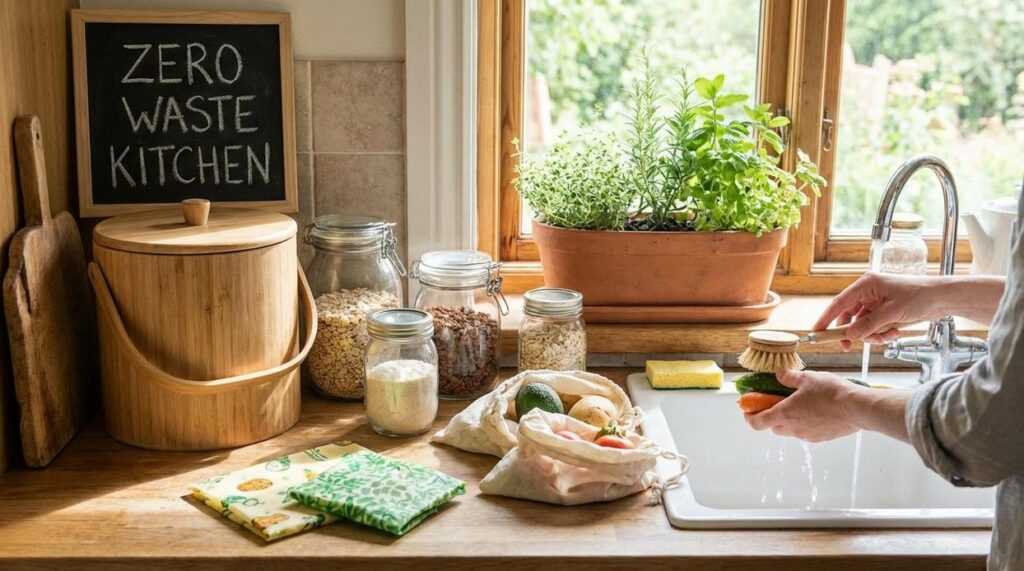
The future of flavor is rooted in responsibility. As more kitchens recognize the environmental cost of traditional farm-to-fork systems, the need for smarter, greener approaches has never been clearer. Food waste, inefficient sourcing, and resource-heavy methods don’t just harm the planet—they also drain profitability and creativity. This guide delivers a practical blueprint for adopting sustainable dining practices in any setting, from home kitchens to full-scale restaurants. You’ll discover actionable strategies that reduce waste, elevate flavor, and streamline operations—proving that sustainability isn’t a limitation, but a powerful ingredient for innovation and long-term culinary success.
Rethinking the Source: Building a Resilient Pantry
A resilient pantry is like a well‑rooted tree: the closer its roots are to the soil, the stronger it stands in any storm. Hyper-local sourcing trims the distance between harvest and plate to a neighborhood stroll. Partnering with community gardens and urban farms shortens the supply chain so dramatically that produce often moves from soil to skillet within hours. Think of it as farm-to-table without the highway in between (traffic jams don’t improve flavor).
The root-to-stem philosophy treats vegetables like full symphonies rather than single notes. Why toss carrot tops when they can be blitzed into pesto? Broccoli stalks, sliced thin, transform into crisp slaw. Using the whole plant is less about thrift and more about respect—like reading every chapter of a good book instead of skipping to the end.
When it comes to protein, sourcing certified sustainable seafood and supporting regenerative agriculture is akin to investing in the soil’s savings account. Regenerative farming rebuilds soil organic matter and restores biodiversity (FAO), improving water retention and carbon sequestration. Meanwhile, responsibly managed fisheries help maintain fish populations (NOAA). These choices strengthen ecosystems while aligning with sustainable dining practices.
Preservation is the pantry’s time machine. Through fermentation and pickling, seasonal abundance stretches into leaner months. Cabbage becomes sauerkraut; cucumbers turn into tangy pickles. These techniques are culinary insurance policies—flavorful, functional, and surprisingly simple.
3 Pillars of a Resilient Pantry:
- Shorten the distance between grower and kitchen.
- Use every edible part.
- Preserve surplus with intention.
In the end, resilience tastes fresher than convenience ever could.
The Conscious Kitchen: Slashing Waste During Preparation
I learned the hard way that waste doesn’t start in the trash can—it starts on the cutting board. Years ago, during a chaotic dinner rush, I realized we were tossing beet tops, herb stems, and citrus peels by the kilo (and watching profits disappear with them). That moment changed how I design menus.
Strategic Menu Design
First, engineer overlap. Cross-utilization means using the same ingredient across multiple dishes to prevent surplus and speed up inventory turnover. For example, roasted carrots can anchor a salad, enrich a puree for ravioli filling, and flavor a vegetable stock. Some chefs argue this limits creativity. I’ve found the opposite: constraints force innovation (think Chopped, but with a budget).
Flavor from “Waste”
Next, redefine scraps. Dehydrate onion skins and carrot peels, then blitz them into savory powders—natural flavor enhancement hacks that rival store-bought seasonings. Herb stems? Infuse them into warm oil for marinades. Parmesan rinds deepen soups. These aren’t gimmicks; they’re practical applications of sustainable dining practices that boost flavor while cutting costs.
Water & Energy Efficiency
Then there’s the utility bill. Switching to induction cooking offers precise heat control and reduces ambient energy loss. Installing low-flow pre-rinse spray valves can cut water use by over 50%, according to the U.S. EPA. Small swaps, big impact.
The Art of the Batch
Finally, batch cooking during off-peak hours changed our service flow. Preparing grains, sauces, and roasted vegetables in advance reduces energy-intensive à la minute cooking. Pro tip: track prep energy usage for a week—you’ll spot surprising inefficiencies. Efficiency, I’ve learned, is just thoughtful preparation in disguise.
Serving with Purpose: Eco-Friendly Front-of-House Practices
Beyond Plastic
Single-use plastic lingers for centuries (a longer encore than most pop bands). Truly compostable materials break down naturally under the right conditions. Bamboo is sturdy and stylish, but can be costly. Bagasse—a fibrous byproduct of sugarcane—handles heat well and composts efficiently, though it may soften with liquids. PLA (polylactic acid) is plant-based plastic that looks conventional but requires industrial composting facilities (check local access first).
Pro tip: Test new packaging with your wettest, hottest menu item before fully switching.
Rethinking Portion Control
Portion control isn’t restriction; it’s waste prevention. Plate waste—uneaten food left by customers—drives up food costs and methane emissions in landfills (EPA). Offer:
- Half and full portions of popular entrées
- Shareable plates for groups
- Clear calorie or size descriptions
This reduces waste while respecting appetite differences.
The Rise of Plant-Forward Dishes
Plant-forward means vegetables lead the plate, not just garnish it. Producing plant foods typically generates fewer greenhouse gas emissions than meat (FAO). Make mushroom tacos or lentil bolognese signature items, not side notes.
Communicating Your Commitment
List sourcing details on menus, highlight compostable packaging online, and train staff to explain your sustainable dining practices confidently. Transparency builds loyalty.
For inspiration on cultural influence, see street food revival how local vendors are influencing fine dining.
Start with an anecdote about scraping plates into a single trash can after a busy dinner rush; I remember the guilt of watching edible food vanish. That moment pushed me toward sustainable dining practices.
Effective composting programs are simpler than they sound: separate vegetable trims, coffee grounds, and eggshells into labeled bins, then partner with a local facility or feed an on-site herb garden. (Pro tip: train staff with a five-minute demo.)
Food donation partnerships require clear safety rules—unserved, temperature-controlled dishes only—and regular pickups.
Recycling goes beyond bottles: collect cooking oil, natural corks, and glass for specialty processors responsibly together.
As more diners prioritize sustainability in their meal choices, the exciting challenge of Mastering Ingredient Pairing for Bold Flavor Combinations becomes essential for chefs aiming to create both delicious and environmentally conscious dishes.
Your Sustainable Dining Blueprint: From Practice to Principle
You came here looking for a practical way to make sustainability part of your kitchen, not just an abstract ideal. Now you have a clear four-part framework—Sourcing, Preparation, Service, and Waste Management—to guide meaningful change. sustainable dining practices aren’t about restriction; they’re about creativity, smarter resource use, and building a deeper connection to every ingredient you touch.
The biggest challenge is knowing where to begin without feeling overwhelmed. Start small. Turn vegetable scraps into a rich house stock. Track the impact. Then build from there. One intentional shift today can transform the way you cook, serve, and think about food tomorrow.
 Flavor & Technique Specialist
Gene Omanivano has opinions about culinary buzz. Informed ones, backed by real experience — but opinions nonetheless, and they doesn't try to disguise them as neutral observation. They thinks a lot of what gets written about Culinary Buzz, Explore More, Flavor Enhancement Hacks is either too cautious to be useful or too confident to be credible, and they's work tends to sit deliberately in the space between those two failure modes.
Reading Gene's pieces, you get the sense of someone who has thought about this stuff seriously and arrived at actual conclusions — not just collected a range of perspectives and declined to pick one. That can be uncomfortable when they lands on something you disagree with. It's also why the writing is worth engaging with. Gene isn't interested in telling people what they want to hear. They is interested in telling them what they actually thinks, with enough reasoning behind it that you can push back if you want to. That kind of intellectual honesty is rarer than it should be.
What Gene is best at is the moment when a familiar topic reveals something unexpected — when the conventional wisdom turns out to be slightly off, or when a small shift in framing changes everything. They finds those moments consistently, which is why they's work tends to generate real discussion rather than just passive agreement.
Flavor & Technique Specialist
Gene Omanivano has opinions about culinary buzz. Informed ones, backed by real experience — but opinions nonetheless, and they doesn't try to disguise them as neutral observation. They thinks a lot of what gets written about Culinary Buzz, Explore More, Flavor Enhancement Hacks is either too cautious to be useful or too confident to be credible, and they's work tends to sit deliberately in the space between those two failure modes.
Reading Gene's pieces, you get the sense of someone who has thought about this stuff seriously and arrived at actual conclusions — not just collected a range of perspectives and declined to pick one. That can be uncomfortable when they lands on something you disagree with. It's also why the writing is worth engaging with. Gene isn't interested in telling people what they want to hear. They is interested in telling them what they actually thinks, with enough reasoning behind it that you can push back if you want to. That kind of intellectual honesty is rarer than it should be.
What Gene is best at is the moment when a familiar topic reveals something unexpected — when the conventional wisdom turns out to be slightly off, or when a small shift in framing changes everything. They finds those moments consistently, which is why they's work tends to generate real discussion rather than just passive agreement.