
Ever stand in the kitchen, knife in hand, and feel like you’re waging war against vegetables? I know that frustration of uneven chopping and endless meal prep. It doesn’t have to be this way.
What if I told you that a few simple knife skills could turn cooking into something enjoyable?
Let’s face it, we home cooks aren’t aiming for Michelin stars. We just want practical, safe, and fast ways to prep meals. Those chef-school secrets?
They’re not as mysterious as they seem. They’re the knife skills home chef have valued for generations.
Learning these basics unlocks creativity and makes everything faster. It’s safer too. Trust me, I’ve seen it change kitchens.
Ready to transform your cooking from chore to joy? This guide is your ticket. Dive in, and let’s make meal prep fun.
The Foundation: Setting Up for Success
Before diving into the world of knife skills, let’s talk about the foundation. You know, the setup. It’s everything.
Focus on the “why” before the “how”. If your setup’s wrong, you’re already fighting an uphill battle.
A stable cutting board is the unsung hero of the kitchen. Without it, you’re just asking for trouble. My pro tip?
Place a damp paper towel underneath. It keeps the board from slipping. Simple, right?
Now, let’s get into the heart of it: the 8-inch chef’s knife. This is the important tool for any home chef. Its versatility is unmatched.
Whether you’re slicing, dicing, or mincing, it does it all. No need for a dozen different knives when one can do the job.
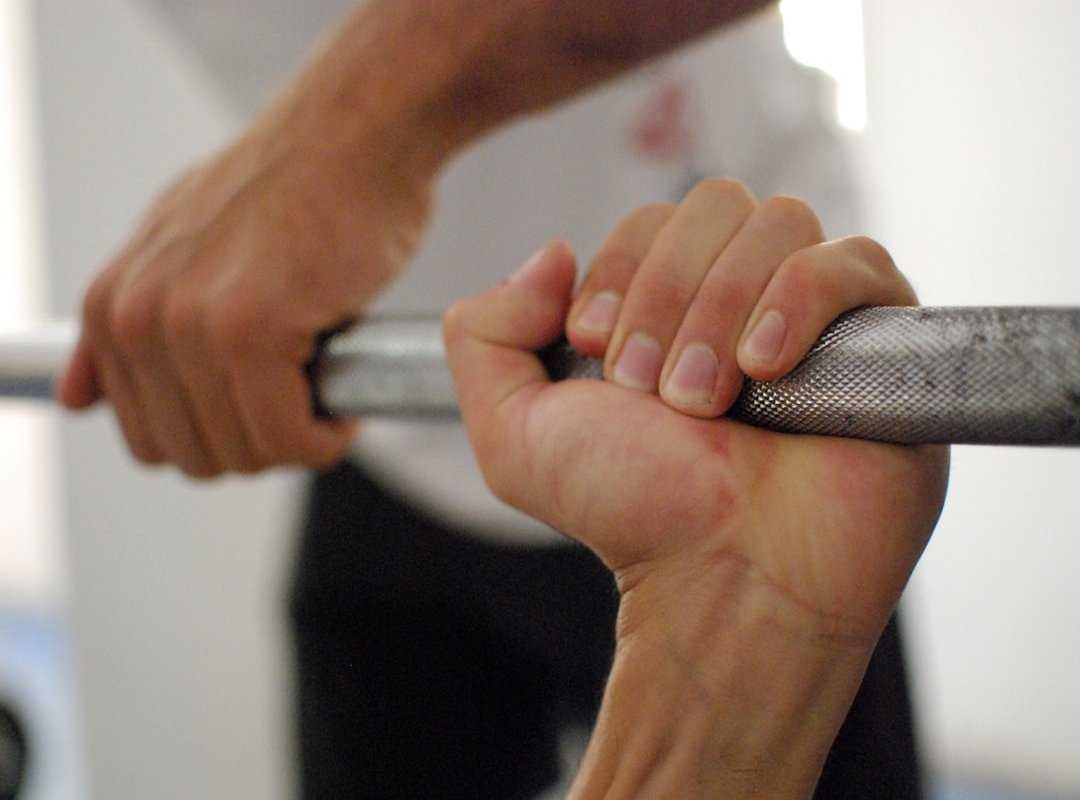
Grips matter. They can make or break your confidence with a knife. The “pinch grip” is your secret weapon.
It offers control and power, unlike the shaky “handle grip”. Ever noticed how pros make it look easy? This is why.
Your other hand, the guide, is just as key. The “claw grip” protects your fingers and guides the blade. It’s your safety shield.
With this grip, uniform cuts are a breeze.
For more on setting up your kitchen skills, dive into understanding basic cooking methods. It’s all about building a strong foundation.
The Core Four: Master These Cuts to Master Your Meals
These four cuts are the heart of your kitchen game. If you can nail these, you’re set to tackle almost any recipe that comes your way. Seriously, mastering these will make you look like a pro.
And who doesn’t want that?
First up, the Slice. It’s all about that smooth, gliding motion. Imagine you’re cutting cucumbers or carrots (on a bias) or even chicken breasts.
The key is even slices. You’ll want to keep your knife steady. It’s not a race.
Feel the knife move through the food, not just on it. Practicing this will save you so much time in the long run. Plus, it just looks cool.
Then there’s the Dice. This one’s a bit more subtle. You start by slicing your veggies into sticks.
Think of those sticks as the base. From there, it’s about turning them into a uniform dice. Onions are your best bet for practice.
Slice them in half, cut into sticks, then dice away. Onion tears might be a pain, but the reward is worth it. Trust me.
Now, let’s talk about the Mince. This is where you get the most flavor out of aromatics like garlic and ginger. You need the ‘rocking chop’ motion.
It’s like a dance. Back and forth, back and forth. Aim for a fine texture.
This technique releases the oils and flavors you want. You can almost smell it, right?
Lastly, the Julienne. It sounds fancy, but it’s just thin matchsticks. Perfect for salads, slaws, and stir-fries.
Try it with a bell pepper or carrot. Julienne cuts make your dish look gourmet without the effort. It’s the kind of thing that impresses guests (or just makes you feel fancy).
If you want more tips on knife skills for every home chef, check out this in-depth look. It’s packed with takeaways that’ll boost your kitchen confidence.
Pro tip: Keep your knives sharp. Dull knives are frustrating and dangerous. A sharp knife is your best friend in the kitchen.
You’ll cut better, faster, and safer.
So, are you ready to up your game? These core techniques will transform your cooking. Get practicing, and soon you’ll wonder how you ever managed without them.
Get a Grip: Techniques for Tricky Ingredients
Handling tricky ingredients isn’t just about looking cool in the kitchen. It’s about efficiency and getting the flavors right. You know those wobbly vegetables, like potatoes and tomatoes?
They roll around as if mocking your knife skills. The trick? Start by slicing off a tiny piece to create a flat, stable base.
Suddenly, everything’s easier, and you’re slicing like a pro.
Let’s not forget leafy herbs. Basil and mint can turn into a mess if you’re not careful. the chiffonade technique shines. Roll the leaves into a tight cylinder, then slice.
What you get is perfect ribbons, ideal for tossing into pasta or a salad.
Onions, the tear-inducing nightmares of many home chefs, have a no-tears solution too. Cut the onion in half, peel it, and then slice horizontally and vertically, but leave the root intact. This technique keeps things together until you’re ready to dice.
Quick, fast, and surprisingly tear-free.
Now, here’s where knife skills link to flavor. The way you cut an ingredient affects its cooking time and taste. Take garlic, for example.
A whole clove in a sauce gives a subtle hint of garlic, while minced garlic packs a punch. It’s all about surface area. The more exposed, the faster it infuses your dish with flavor.
And that can make all the difference between a bland and a flavorful meal.
Curious about how these techniques stack up with other culinary tips? Check out the science behind perfect baking. It’s another way to level up in the kitchen.
Whether you’re a seasoned cook or just starting, remember: mastering these techniques turns cooking from a chore into a craft. Embrace the chaos, embrace the flavor. That’s how you become a true home chef.
A Sharp Knife is a Safe Knife: Important Care & Safety
Knife skills home chef enthusiasts, listen up. A sharp knife isn’t just for Gordon Ramsay wannabes. It’s a safety practice anyone can master.
The sharper the knife, the less force you need (and the less likely you are to fillet your own fingers). Ever tried slicing tomatoes with a dull blade? It’s like trying to cut Jell-O with a spoon.
Here’s the scoop: honing is for daily upkeep, like brushing your teeth. Sharpening is more like a dentist visit (new edge, whole deal).
And let’s be real, safety habits are key. Always wash and dry your knives by hand. Treat them like a favorite record, not dishwasher fodder!
Store them properly. Say goodbye to the knife drawer chaos. Oh, and never, ever try to catch a falling knife.
Trust me, it won’t end well.
These aren’t just tips; they’re essentials for anyone serious about cooking.
Chop Like a Pro Tonight
You came here to tackle the hurdle of meal prep. Well, the good news? Your goal of mastering knife skills home chef style is at your fingertips.
It’s all about a few core techniques. Think about it. No more frustration.
Just efficiency. So, here’s your game plan: pick one vegetable, say an onion, and one technique. Practice it with tonight’s dinner.
That’s it. You’ve got this. Trust me, it’s not just about cutting veggies.
It’s about building kitchen confidence that lasts a lifetime. Ready to make cooking less of a chore? Go ahead, start chopping.
 Culinary Content Strategist
There is a specific skill involved in explaining something clearly — one that is completely separate from actually knowing the subject. Amanda Stewartivenyo has both. They has spent years working with culinary buzz in a hands-on capacity, and an equal amount of time figuring out how to translate that experience into writing that people with different backgrounds can actually absorb and use.
Amanda tends to approach complex subjects — Culinary Buzz, Explore More, Flavor Enhancement Hacks being good examples — by starting with what the reader already knows, then building outward from there rather than dropping them in the deep end. It sounds like a small thing. In practice it makes a significant difference in whether someone finishes the article or abandons it halfway through. They is also good at knowing when to stop — a surprisingly underrated skill. Some writers bury useful information under so many caveats and qualifications that the point disappears. Amanda knows where the point is and gets there without too many detours.
The practical effect of all this is that people who read Amanda's work tend to come away actually capable of doing something with it. Not just vaguely informed — actually capable. For a writer working in culinary buzz, that is probably the best possible outcome, and it's the standard Amanda holds they's own work to.
Culinary Content Strategist
There is a specific skill involved in explaining something clearly — one that is completely separate from actually knowing the subject. Amanda Stewartivenyo has both. They has spent years working with culinary buzz in a hands-on capacity, and an equal amount of time figuring out how to translate that experience into writing that people with different backgrounds can actually absorb and use.
Amanda tends to approach complex subjects — Culinary Buzz, Explore More, Flavor Enhancement Hacks being good examples — by starting with what the reader already knows, then building outward from there rather than dropping them in the deep end. It sounds like a small thing. In practice it makes a significant difference in whether someone finishes the article or abandons it halfway through. They is also good at knowing when to stop — a surprisingly underrated skill. Some writers bury useful information under so many caveats and qualifications that the point disappears. Amanda knows where the point is and gets there without too many detours.
The practical effect of all this is that people who read Amanda's work tend to come away actually capable of doing something with it. Not just vaguely informed — actually capable. For a writer working in culinary buzz, that is probably the best possible outcome, and it's the standard Amanda holds they's own work to.