Ever followed a recipe to the letter only to find your dish tastes flat? It’s frustrating, right? I know it is.
But why does this happen? It’s about more than just ingredients. It’s the flavor pairing techniques that chefs use (the hidden secret) to make dishes remarkable.
I’ve spent countless hours in the kitchen, diving deep into culinary fundamentals. I’ve tested and tasted, all to figure out what makes flavors pop. This isn’t just a list of what pairs with what.
No. This is your guide to understanding the principles behind unforgettable flavor.
You’ll learn how to improvise and create your own signature dishes that truly sing. Trust me, you’ll get the tools to transform your cooking. Ready to open up those secrets?
The Building Blocks: Mastering the Five Core Tastes
Understanding the five basic tastes is like unlocking the secret to any dish. Sweet, sour, salty, bitter, and umami form the foundation of all flavor. Each one plays its own unique role, creating a symphony of sensations on your tongue.
Sweetness is more than sugar. It’s the natural sweetness of roasted vegetables, the comforting warmth of honey. It balances bitterness and acidity, making everything palatable.
Who doesn’t love a sweet touch?
Sour is the zing you get from citrus juice or a splash of vinegar. It’s that bright note that cuts through the heaviness of rich foods. You know the feeling when yogurt hits the spot, right?
It wakes up your palate.
Salty taste isn’t just about making things salty. It’s about balance. Salt enhances other flavors, making them pop.
Think of it as the universal amplifier in cooking. Without it, food falls flat.
Bitter is complex, earthy, and often misunderstood. But it adds depth, like the boldness of dark chocolate or the bite of coffee. Leafy greens?
They’re the unsung heroes of bitterness, stimulating appetite and adding layers to a dish.
Umami might be the most hard to find, but it’s unforgettable. It’s the savory depth you find in seared mushrooms or parmesan cheese. That mouth-coating sensation you can’t quite describe but crave. Balancing Sweet Savory Elements is key for creating perfect flavor harmony.
So, how do you use these tastes? Mastering flavor pairing techniques is key. Each taste has its moment and place.
Get them right, and you’re on your way to culinary greatness.
The Flavor Compass: Your Map to Taste Nirvana
Ever feel like your dish just isn’t hitting the right notes? the Flavor Compass comes in. It’s a simple system to balance tastes without second-guessing yourself. Think of it like having a built-in GPS for your tongue.
If something tastes “off,” figure out which direction it’s leaning too much and bring it back to center.
to some practical scenarios. Picture this: your tomato sauce is too rich or sweet. Easy fix.
It likely needs more salt or umami. A pinch of salt can amplify existing flavors. Over-cooked greens taste bitter?
Add a splash of acidity like red wine vinegar. It brightens up the dish. Feeling bland?
A touch of sweetness or fat can mellow them out. You’ve got the power to rescue any dish.
Now, let’s talk fat and acid. It’s like a tango on the taste buds. Acidity cuts through the richness of fat, offering a clean, satisfying mouthfeel.
Imagine a vinaigrette on a crisp salad. Each bite is refreshing, balancing the richness perfectly. Or think about lime on tacos.
It’s the zing that makes everything pop.
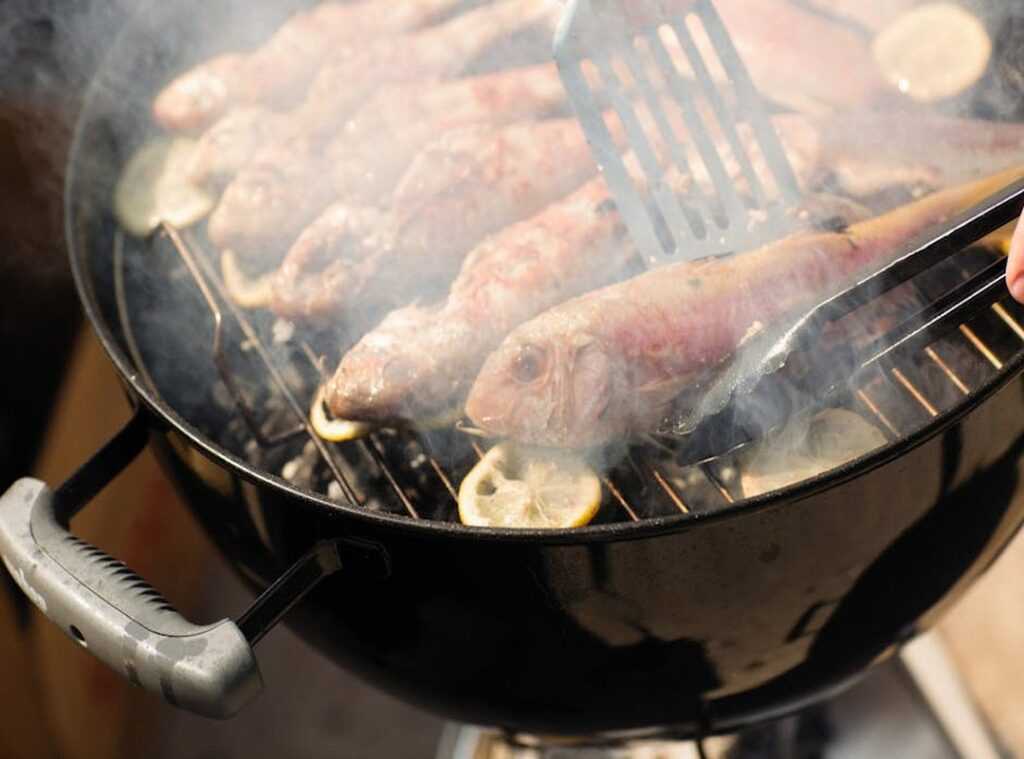
And don’t underestimate the magic of acidity. From pickles to citrus, it can raise a dish to new heights. Have you ever noticed how a squeeze of lemon on fish can transform it from basic to brilliant?
That’s the power of the Flavor Compass.
For those who want to nerd out on this, check out these flavor pairing techniques. It’s a treasure trove of ideas. You’ll wonder how you ever cooked without it.
So next time you’re in the kitchen, trust your Flavor Compass. It’s more than intuition (it’s) your guide to culinary success. Taste boldly, adjust confidently, and know that you’ve got the perfect tool to make every meal unforgettable.
Beyond Taste: The Magic of Aroma and Texture
Ever notice how a dish can transport you somewhere else entirely? It’s not just the taste. A truly memorable dish engages all your senses.
And while taste might get all the glory, aroma and texture are the unsung heroes.
Aromatics are the secret weapon in any chef’s arsenal. Smell is deeply linked to taste. Think about it: ever had a cold and couldn’t taste your food?
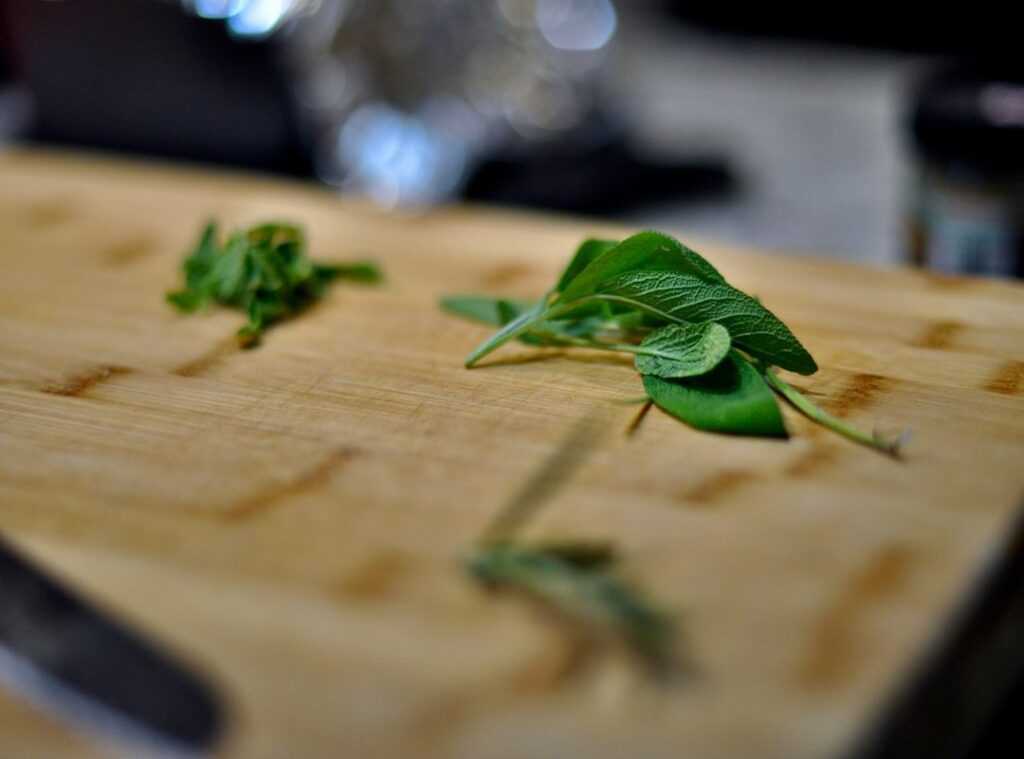
That’s aroma working its magic. Techniques like toasting spices release their oils, making everything smell divine. I love adding fresh herbs at the end of cooking.
It gives a burst of fragrance. Imagine the difference between the warm, earthy notes of cumin and coriander compared to the bright, fresh notes of mint and cilantro. Each brings its own story to the dish.
Now, let’s talk texture. A dish with only soft textures? Boring.
We crave a changing experience. You need that contrast to keep things interesting. Picture a creamy soup.
It’s nice, right? But add crunchy croutons and it becomes a whole new experience. Or take a soft salad: toss in some toasted nuts for that satisfying crunch.
Even a piece of fish benefits from a crispy skin. It’s all about the snap, the crunch, the creamy. That’s what makes a meal memorable.
And here’s a pro tip: think about how you can use leftovers creatively to boost your dishes. Creative Uses Leftover Ingredients can really raise your cooking game. Embrace the art of flavor pairing techniques by weaving aroma and texture into your meals. The next time you cook, remember: it’s not just about taste.
It’s the full sensory package.
Taste Combinations: Global Lessons on Your Plate
Ever wonder why a dish just hits differently? It’s all about flavor pairing techniques. Take Thai cuisine.
It’s like a masterclass in balance. You’ve got sweet palm sugar, zesty lime, salty fish sauce, and fiery chili. They don’t just coexist (they) dance together.
It’s not just cooking; it’s harmony in chaos.
Then there’s Mexican food. I mean, who doesn’t love a good taco? Rich, fatty meats meet sharp, acidic salsas.
Throw in fresh cilantro and those earthy corn tortillas. It’s like a fiesta for your taste buds. You don’t just eat a taco; you experience it.
And let’s not forget Italian. Here, less is more. High-quality tomatoes, cheese, and olive oil meld together like a symphony.
Simplicity at its finest, where each ingredient shines without shouting. It’s no wonder pizza and pasta are global icons.
Think about your favorite plate. Why does it work? Start noticing these taste combos.
Maybe it’s your go-to pizza or that spicy curry you crave. What’s the secret? Next time you cook, remember these global lessons.
Taste isn’t just flavor; it’s culture, technique, and a bit of magic on your fork.
Unleash Your Inner Flavor Artist
Remember when your dish tasted flat? That ends now. We explored everything from the five basic tastes to using the Flavor Compass.
You’ve got the tools to diagnose and fix flavor missteps, empowering you to cook with confidence and creativity. Those flavor pairing techniques? They’re your new best friends.
So, what’s next? Pick one concept from this guide and try it out tonight. Notice the difference.
Your culinary adventure starts now. You’ll feel the excitement, the satisfaction. And who knows?
Maybe you’ll even surprise yourself. Let’s get cooking. Ready to transform your meals?
Dive in!
 Flavor & Technique Specialist
Gene Omanivano has opinions about culinary buzz. Informed ones, backed by real experience — but opinions nonetheless, and they doesn't try to disguise them as neutral observation. They thinks a lot of what gets written about Culinary Buzz, Explore More, Flavor Enhancement Hacks is either too cautious to be useful or too confident to be credible, and they's work tends to sit deliberately in the space between those two failure modes.
Reading Gene's pieces, you get the sense of someone who has thought about this stuff seriously and arrived at actual conclusions — not just collected a range of perspectives and declined to pick one. That can be uncomfortable when they lands on something you disagree with. It's also why the writing is worth engaging with. Gene isn't interested in telling people what they want to hear. They is interested in telling them what they actually thinks, with enough reasoning behind it that you can push back if you want to. That kind of intellectual honesty is rarer than it should be.
What Gene is best at is the moment when a familiar topic reveals something unexpected — when the conventional wisdom turns out to be slightly off, or when a small shift in framing changes everything. They finds those moments consistently, which is why they's work tends to generate real discussion rather than just passive agreement.
Flavor & Technique Specialist
Gene Omanivano has opinions about culinary buzz. Informed ones, backed by real experience — but opinions nonetheless, and they doesn't try to disguise them as neutral observation. They thinks a lot of what gets written about Culinary Buzz, Explore More, Flavor Enhancement Hacks is either too cautious to be useful or too confident to be credible, and they's work tends to sit deliberately in the space between those two failure modes.
Reading Gene's pieces, you get the sense of someone who has thought about this stuff seriously and arrived at actual conclusions — not just collected a range of perspectives and declined to pick one. That can be uncomfortable when they lands on something you disagree with. It's also why the writing is worth engaging with. Gene isn't interested in telling people what they want to hear. They is interested in telling them what they actually thinks, with enough reasoning behind it that you can push back if you want to. That kind of intellectual honesty is rarer than it should be.
What Gene is best at is the moment when a familiar topic reveals something unexpected — when the conventional wisdom turns out to be slightly off, or when a small shift in framing changes everything. They finds those moments consistently, which is why they's work tends to generate real discussion rather than just passive agreement.