Ever stared at a good piece of chicken or veggies and thought, “This will just taste okay”? We’ve all been there. But what if I told you that it doesn’t have to be this way?
With the right touch, you can cook with spices and transform any meal from bland to brilliant. I’ve spent years playing with flavors, understanding not just recipes, but the why behind them. You’re not here for a list of spices.
You’re here for the confidence to use them. And that’s exactly what you’ll find. and spice things up for real.
The Foundation: Why Seasoning is More Than Just Salt and Pepper
Seasoning isn’t just about dumping salt and pepper on your food. It’s about enhancing and balancing flavors. Think about it: when you cook with spices, you’re like a painter choosing colors.
Salt? That’s your canvas. Pepper?
Maybe a basic outline. But those herbs and spices? They’re the brushstrokes that bring the masterpiece to life.
We talk about five basic tastes, right? Salty, sweet, sour, bitter, and umami. Salty, like pretzels.
Sweet, like a ripe mango. Sour, like squeezing lemon on fish. Bitter, like sipping black coffee.
Umami? That’s the savory depth in a mushroom risotto. Each flavor has its role, like different actors in a movie, each playing their part.
Aromatics, like garlic and onions, are your backstage crew. They build a base layer of flavor even before the stars of the meal show up. It’s like starting a concert with a drumbeat.
You need that foundation.
Want to dive deeper? Check out this ultimate guide herb blending. It’s a game-changer for flavor lovers.
Remember, a dash of spice can make all the difference. So next time you cook, don’t just season. Create a symphony on a plate.
Spice Rack Simplified: Craft Your Flavor Arsenal
Building a spice rack shouldn’t feel like filling a library. Trust me, I’ve made that mistake. I once bought every spice I could find.
My kitchen turned into a mad scientist’s lab. But cooking isn’t about having every option. It’s about knowing the right ones.
Let’s focus on a versatile starter kit instead.
Now, let’s get into the earthy and warm. Cumin, smoked paprika, and chili powder are your go-tos. They add depth and warmth to stews and roasted meats.
Think of them as your cozy blanket spices. When I started to cook with spices, these were my life-savers.
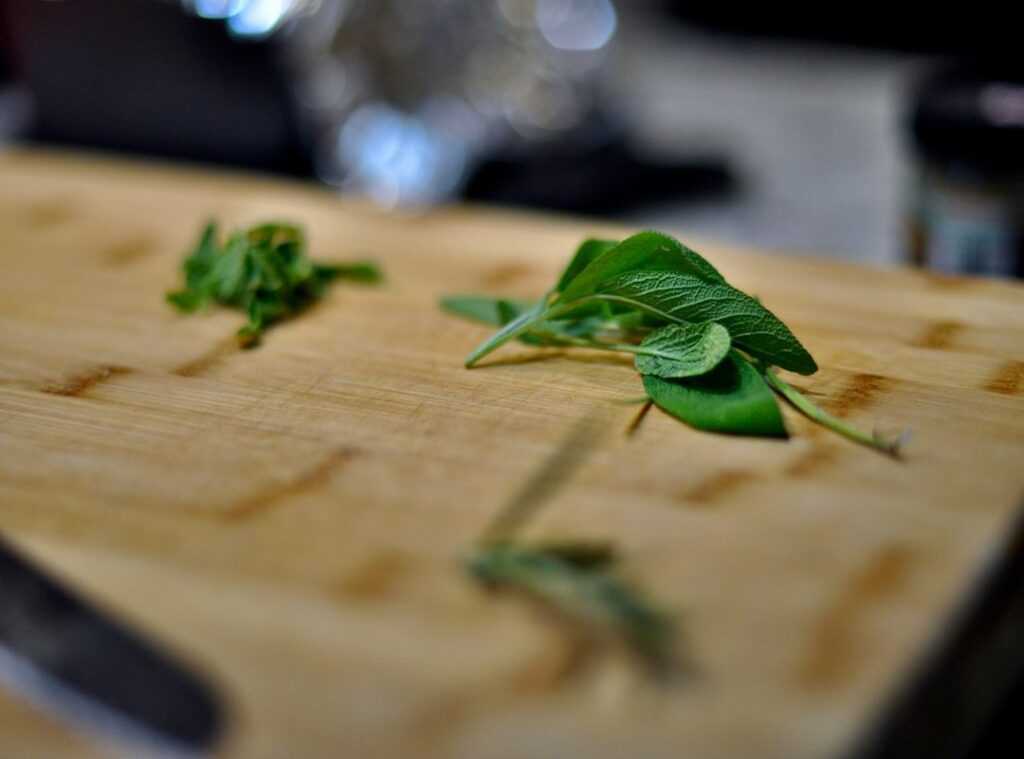
Next, the bright and fresh: dried oregano, thyme, and basil. These guys lift flavors like nothing else. They’re perfect for sauces, chicken, and vegetables.
I can’t count how often oregano has saved a dull pasta dish. It’s like adding a pop song to a silent film.
Then there’s the pungent and solid crew. Garlic powder, onion powder, and ginger. They’re the unsung heroes.
They build the savory backbone for almost any dish. Seriously, don’t underestimate them.
Pro tip: Buy whole spices when possible and grind them yourself. This unlocks volatile oils, giving a massive flavor boost. It’s a game-changer.
If you’re curious about how to use herbs and spices in cooking, there’s a goldmine of info out there.
Remember, your spice rack is more than just bottles on a shelf. It’s your flavor toolkit. So, start smart and keep it simple.
Your taste buds will thank you.
The Art of Timing: When to Add Your Seasonings for Maximum Impact
Timing is everything when you cook with spices. It’s not just what you sprinkle on but when you do it that changes the dish completely. This isn’t something you find in basic guides.
Ever tried a dry rub on ribs? It’s like magic. Salt draws out moisture and lets the flavors really sink into the meat.
It’s not just about slapping on some spices. You give it time, let it marinate (or rub), and suddenly, your meat’s got depth. Chicken loves a salt brine too.
It’s the kind of trick that makes you wonder how you ever cooked without it.
Cooking is a journey, not a destination (okay, that was a little cheesy). But seriously, seasoning during cooking is like building a story. You know when you fry spices in oil?
That’s called blooming. It’s a moment of flavor explosion. Think of a curry or chili, where every layer builds on the one before.
You start with onions, let them sweat, add garlic, then those spices. Each step adds a new chapter to the dish.
And then there’s the finish. Ever topped a steak with flaky sea salt? That crunch is everything.
Or tossed fresh parsley on pasta? It’s like a burst of life. A squeeze of lime over tacos?
It’s the final touch that ties it all together.
Curious about creative uses leftover ingredients? Check that out next. It’s all about maximizing what you have.
Cooking is all about these little moments and choices. They make the meal memorable.
From Theory to Table: Flavor Pairing Made Simple
Ever think about why certain cuisines just click? Italian food, for example, is a masterclass in flavor harmony. Garlic, oregano, and basil aren’t just there for fun; they’re a symphony.
Mexican cuisine nails it too with cumin, chili powder, and lime. These aren’t just ingredients; they’re reliable friends.
But what if your dish falls flat? Well, the “Taste and Adjust” method is your best buddy. Treat seasoning like an ongoing conversation.
Is it missing something? Maybe it’s flat. Add some salt or a hit of acid.
Too boring? Toss in an herb or a spice. It’s all about playing with your food (seriously, who said not to play with food?)
Now let’s talk about saving dishes that went rogue. Say your stew’s too salty. Just toss in a little sugar or a squeeze of lemon.
If your curry is burning your tongue off, blend in some dairy like yogurt or a chunk of avocado. This isn’t just chemistry; it’s trust in a pot.
Here’s a pro tip: start with spices as if you’re painting a canvas. When you cook with spices, let them be your brush. And remember, trying new combinations.
Like mixing paprika with cinnamon (might) score you an unexpected win.
So, the next time you’re in the kitchen, don’t just follow recipes. Be bold, taste as you go, and fix what needs fixing. Because cooking isn’t just about feeding your stomach; it’s about discovering new flavors on your own terms.
Seasoning Snafus: Avoid These Rookie Mistakes
Ever grab that spice jar and wonder if it’s older than your last Netflix binge? Using old, stale spices is a rookie mistake. Ground spices lose their punch after about six months. If it doesn’t smell like anything, it won’t taste like anything.
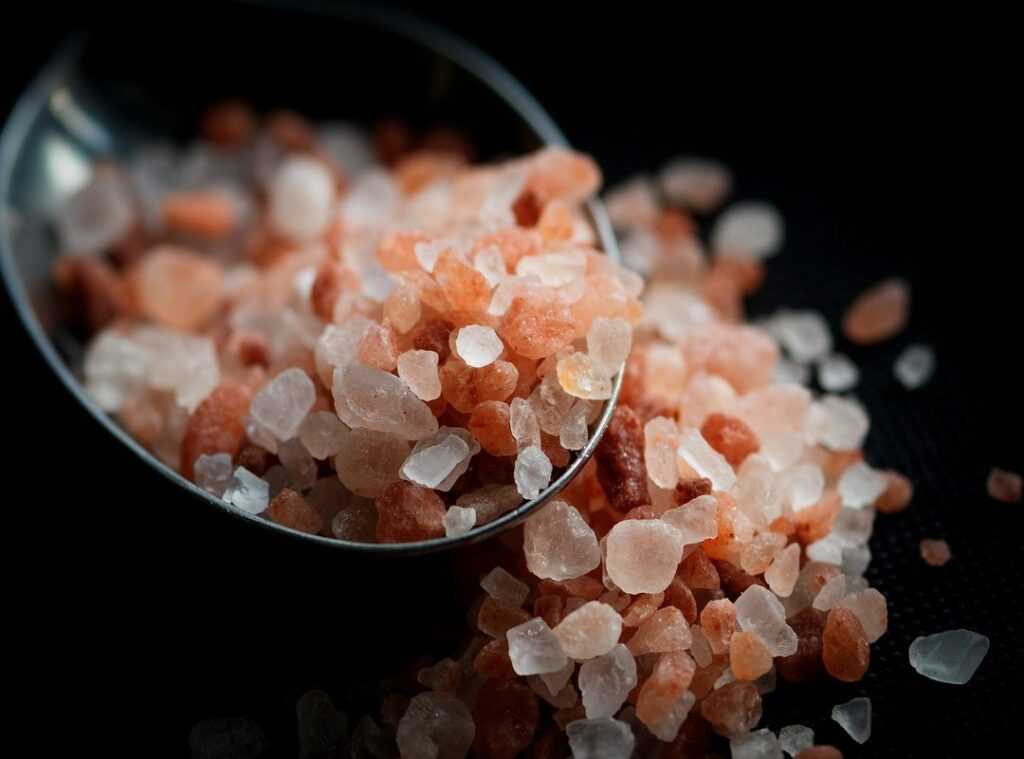
Now, let’s talk salt. Most home cooks under-salt their food. Salt isn’t just a flavor.
It’s a magnifier. It makes your dish taste more like itself.
And don’t forget about acidity. A squeeze of lemon or a splash of vinegar at the end? the magic happens. It brightens up everything like a plot twist in a good movie.
Oh, and here’s a pro tip for you: when you cook with spices, sprinkle them from about 12 inches above your dish. This evenly distributes flavor like confetti at a championship game. Who knew gravity could be your culinary sidekick?
Spice Up Your Meals Now
Tired of bland dinners? You’ve cracked the code. By embracing the ‘why, what, and when’ of seasonings, you can now cook with spices like a pro.
Grab one new spice, try a fresh technique, and watch dinner morph into a true experience. Ready to transform your meals tonight?
 Culinary Content Strategist
There is a specific skill involved in explaining something clearly — one that is completely separate from actually knowing the subject. Amanda Stewartivenyo has both. They has spent years working with culinary buzz in a hands-on capacity, and an equal amount of time figuring out how to translate that experience into writing that people with different backgrounds can actually absorb and use.
Amanda tends to approach complex subjects — Culinary Buzz, Explore More, Flavor Enhancement Hacks being good examples — by starting with what the reader already knows, then building outward from there rather than dropping them in the deep end. It sounds like a small thing. In practice it makes a significant difference in whether someone finishes the article or abandons it halfway through. They is also good at knowing when to stop — a surprisingly underrated skill. Some writers bury useful information under so many caveats and qualifications that the point disappears. Amanda knows where the point is and gets there without too many detours.
The practical effect of all this is that people who read Amanda's work tend to come away actually capable of doing something with it. Not just vaguely informed — actually capable. For a writer working in culinary buzz, that is probably the best possible outcome, and it's the standard Amanda holds they's own work to.
Culinary Content Strategist
There is a specific skill involved in explaining something clearly — one that is completely separate from actually knowing the subject. Amanda Stewartivenyo has both. They has spent years working with culinary buzz in a hands-on capacity, and an equal amount of time figuring out how to translate that experience into writing that people with different backgrounds can actually absorb and use.
Amanda tends to approach complex subjects — Culinary Buzz, Explore More, Flavor Enhancement Hacks being good examples — by starting with what the reader already knows, then building outward from there rather than dropping them in the deep end. It sounds like a small thing. In practice it makes a significant difference in whether someone finishes the article or abandons it halfway through. They is also good at knowing when to stop — a surprisingly underrated skill. Some writers bury useful information under so many caveats and qualifications that the point disappears. Amanda knows where the point is and gets there without too many detours.
The practical effect of all this is that people who read Amanda's work tend to come away actually capable of doing something with it. Not just vaguely informed — actually capable. For a writer working in culinary buzz, that is probably the best possible outcome, and it's the standard Amanda holds they's own work to.