Your spice rack shouldn’t limit your cooking—it should launch it. If your dishes taste flat or overly familiar, the missing piece isn’t effort; it’s authenticity. Many store-bought blends dilute the bold, region-defining flavors that make global cuisines unforgettable. This guide takes you beyond generic seasonings and into the heart of regional cooking, introducing distinctive spices that shape traditional dishes around the world. Drawing on extensive research into global food traditions and insights from culinary experts specializing in flavor enhancement and ingredient fusion, we’ve curated a practical, inspiring list to help you cook with depth, confidence, and true cultural character.
The Americas: From Smoky Depths to Floral Zest
Achiote (Annatto): The Heartbeat of Latin American Color and Flavor
Exploring how regional spices elevate international dishes not only enhances your culinary experience but also complements the quick meal ideas found in our article, “Fhthblog Quick Meals By Fromhungertohope.
Native to the tropical Americas, achiote comes from the seeds of the Bixa orellana tree, used for centuries by Indigenous communities for both cooking and body paint. Its earthy, slightly peppery taste carries subtle bitterness, but its true power is visual: a vibrant red-orange hue caused by natural carotenoids (similar pigments color carrots and tomatoes). Studies show annatto is rich in bixin, a compound widely used as a natural food dye globally (FAO reports its approval in multiple food systems).
Practical use centers on recado rojo, the brick-red paste essential for cochinita pibil. Blend achiote with garlic, sour orange, and spices for authenticity. Quick hack:
- Gently heat neutral oil.
- Stir in crushed achiote seeds.
- Strain after 3–5 minutes.
You’ll get a golden-red oil that transforms rice and stews (like a culinary Instagram filter, but real life).
Allspice (Pimenta dioica): The Caribbean’s “One-Spice” Blend
Grown primarily in Jamaica, allspice earns its name because it tastes like cinnamon, nutmeg, and cloves combined. Chemical analysis identifies eugenol as a key aroma compound, explaining its warm complexity.
It’s indispensable in jerk seasoning. Use whole berries in brines and stews for slow infusion, and ground allspice in baking or dry rubs. This dual versatility defines many regional spice varieties.
Asia: Numbing Sparks and Pungent Umami
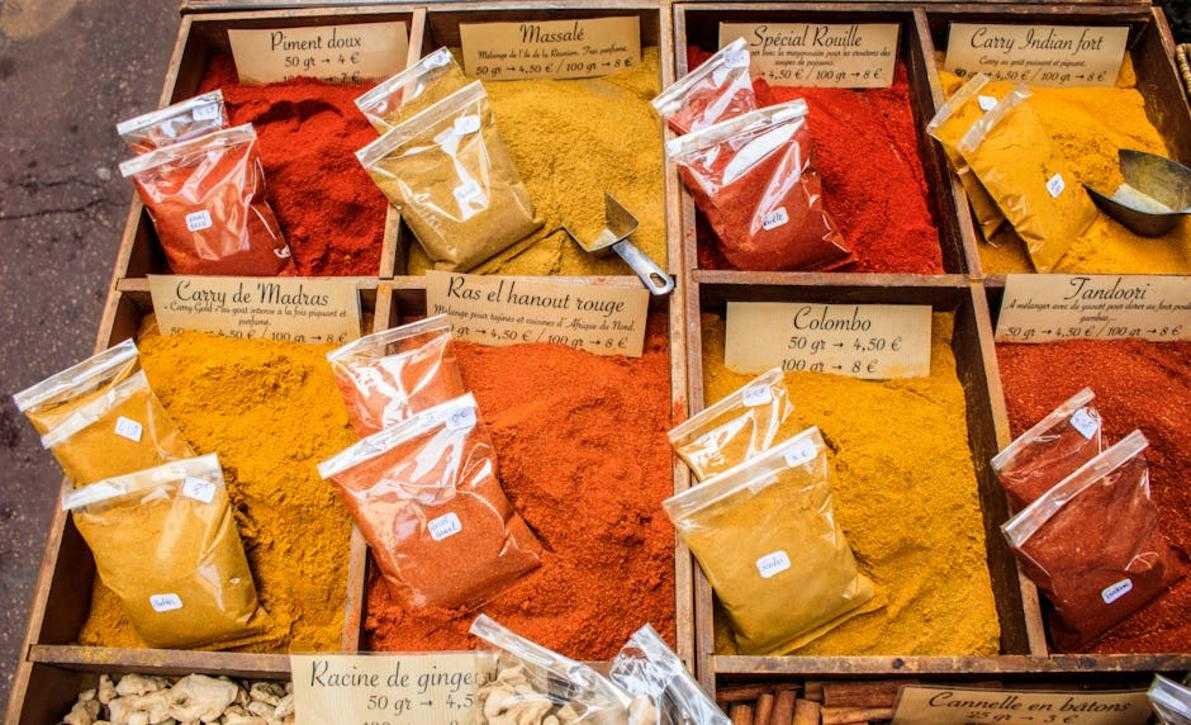
I’ll admit it: the first time I cooked with Sichuan peppercorns, I thought they were just another spicy dare. I tossed them in like black pepper—and ended up with a gritty, oddly flat stir-fry. Lesson learned. Sichuan peppercorns aren’t true peppercorns at all but dried berries from the prickly ash tree. Their magic isn’t heat; it’s málà—a tingling, mouth-numbing sensation paired with chili warmth. That electric buzz is what defines dishes like Kung Pao chicken and mapo tofu (and yes, it’s supposed to feel like your lips met a battery).
However, unlocking that citrusy aroma requires a simple hack: toast them in a dry pan until fragrant, then grind. Skipping this step was my rookie mistake. Toasting releases their volatile oils—compounds responsible for aroma and flavor (Harold McGee, On Food and Cooking).
Meanwhile, in India, asafetida—also called hing—taught me humility. Raw, it smells aggressively sulfurous, almost like overcooked onions. Yet once bloomed in hot oil, it transforms into a smooth leek-and-garlic umami base. In many vegetarian dals, hing replaces onion and garlic entirely, particularly in certain Jain traditions. It’s also valued as a digestive aid in Ayurvedic practice (National Center for Complementary and Integrative Health). Pro tip: use a pinch, not a spoonful.
Then there’s star anise, often confused with regular anise but botanically distinct. Its bold licorice depth anchors Chinese five-spice and Vietnamese pho broth. In exploring regional spice varieties, I’ve found that respecting traditional cooking methods from different cultures (https://flensutenol.com/traditional-cooking-methods-from-different-cultures/) prevents heavy-handed seasoning mistakes.
Some argue fusion dilutes authenticity. Yet, when handled thoughtfully, these spices don’t clash—they converse.
The Middle East & North Africa: Tangy Dust and Herbal Blends
Sumac: The Bright, Lemony Spice of the Levant
Sumac comes from the dried, ground berries of the sumac bush, native to the eastern Mediterranean. The berries are harvested, sun-dried, and milled into a deep crimson powder. Its flavor is tangy and slightly astringent—meaning it creates a pleasant mouth‑puckering sensation—adding acidity without a single drop of liquid. That’s a major benefit in dishes where extra moisture would ruin texture (soggy salad, anyone?).
Practical use is simple: sprinkle it over hummus, fattoush, or grilled meats to brighten richness instantly. It’s also a key ingredient in the blend below.
Za’atar: More Than a Spice
Za’atar refers both to a wild thyme herb and to a regional blend combining that herb with sumac and toasted sesame seeds. The thyme delivers earthiness, sumac adds citrusy lift, and sesame contributes nutty crunch—three textures and flavors working in harmony.
- Mix with olive oil for a bread dip that turns a basic loaf into something memorable.
Use it as a rub for chicken, sprinkle over roasted vegetables, or dust onto labneh for contrast. The result? Layered flavor with minimal effort (the culinary equivalent of a perfectly tailored jacket).
Europe: Pine Resins and Noble Peppers
Mastic is the sun-dried resin harvested exclusively on Greece’s island of Chios, where specific mastic trees are carefully scored to release aromatic “tears.” This terroir-driven ingredient—shaped by limestone soil and sea air—delivers a pine-like, slightly bitter flavor with hints of cedar and fennel. Unlike generic resins sold as novelties, authentic mastic crystallizes naturally and perfumes doughs and custards from within (think of the subtle lift in tsoureki). Pro tip: grind it with sugar or salt to prevent sticky clumping.
Hungarian paprika goes far beyond the dusty supermarket jar. True varieties are graded by color and pungency; édesnemes (noble sweet) offers a deep red hue and rounded, fruity warmth. Crafted from specific pepper cultivars and gently dried, it delivers richness generic blends rarely match. Some argue paprika is interchangeable, but once you taste the layered sweetness and controlled heat, there’s no going back afterward.
Bring the World’s Kitchens into Yours
You came looking for a way to unlock the true character of global cuisine, and now you have a clear path forward. From the numbing tingle of Sichuan peppercorns to the lemony tang of sumac, you understand how these regional spices transform ordinary meals into vibrant, authentic experiences.
No more flat, one-dimensional dishes. By using the same flavor-building blocks trusted in regional kitchens, you guarantee deeper, more memorable results at home.
Start small—but start today. Add sumac to your next salad or sprinkle smoked paprika into a stew and taste the difference instantly. Elevate your cooking with proven, chef-inspired flavor insights—try one new spice now.