
If you’re looking to elevate your cooking skills, explore global flavors, and understand the fundamentals that make great dishes unforgettable, you’re in the right place. This article is designed to help you cut through culinary noise and focus on what truly matters: mastering core techniques, experimenting with ingredient fusion, and applying practical flavor enhancement hacks that actually work in a real kitchen.
We’ve analyzed emerging food trends, studied time-tested cooking methods, and tested flavor combinations across a wide range of cuisines to bring you reliable, experience-backed guidance. Whether you’re curious about global cuisine explorations or want actionable kitchen organization tips that streamline your workflow, you’ll find clear, practical insights here.
Expect straightforward explanations, creative inspiration, and techniques you can apply immediately. By the end, you’ll not only understand the “why” behind great flavor—but also have the confidence to create it consistently in your own kitchen.
The Foundational Purge: Creating Your Blank Canvas
Before you buy matching jars or label makers, start with one bold move: pull everything out of a single category. All mugs. All cooking utensils. All spices. Seeing the full volume at once is clarifying (and sometimes shocking). This is your reset point.
Use the Three-Pile Method: Keep, Donate/Discard, and Relocate. Relocate simply means the item belongs somewhere else—garage, office, or recycling bin. This step prevents the classic mistake of “organizing clutter” instead of eliminating it.
Now question every item. Do you have duplicates? Have you used it in the last year? Is it a unitasker—a tool designed for only one specific job, like an avocado slicer—taking up prime real estate? If it doesn’t earn its space, let it go. (Yes, even the novelty mug.)
Some argue that keeping extras is practical “just in case.” Fair. But excess inventory creates friction, and friction kills consistency. A streamlined kitchen is easier to clean, restock, and actually enjoy.
A pared-down inventory is the non-negotiable foundation. Once cleared, you’ll naturally apply smarter kitchen organization tips and even cook more seasonally—especially after understanding seasonal produce and its benefits.
Pro tip: If you hesitate, box the item for 30 days. No use? No guilt donating it.
The Zone Method: Arranging Your Kitchen for Effortless Workflow
If you’ve ever taken three laps around your kitchen just to boil pasta, you’re not alone. Few things are more frustrating than realizing the colander is across the room, the salt is buried in a random cabinet, and the cutting board has mysteriously vanished (again). The fix? Think in workstations, not just storage.
In other words, organize by action, not by item.
The Prep Zone
First, anchor your Prep Zone near your largest stretch of counter space. This is where the chopping, mixing, and measuring magic happens. Keep cutting boards, knives, mixing bowls, and measuring tools right there. When everything you need is within arm’s reach, you eliminate the constant stop-and-go that makes cooking feel like a chore instead of a rhythm.
The Cooking Zone
Next, build your Cooking Zone around the stove and oven. Pots, pans, cooking oils, everyday spices, and spatulas should live here. No more dripping sauce across the floor because your ladle drawer is somehow on the opposite side of the kitchen (who designed that layout, anyway?).
The Consumables Zone
Meanwhile, your pantry and refrigerator form the Consumables Zone. Group like items together—grains with grains, canned goods with canned goods, baking supplies in one clear section. It sounds obvious, yet scattered storage is a daily annoyance we all tolerate.
The Cleaning Zone
Finally, center the Cleaning Zone around the sink. Soaps, sponges, dish towels, and your drying rack belong here.
These small kitchen organization tips create flow, reduce friction, and turn chaos into calm.
Maximize Every Inch: Smart Storage and Accessibility Hacks
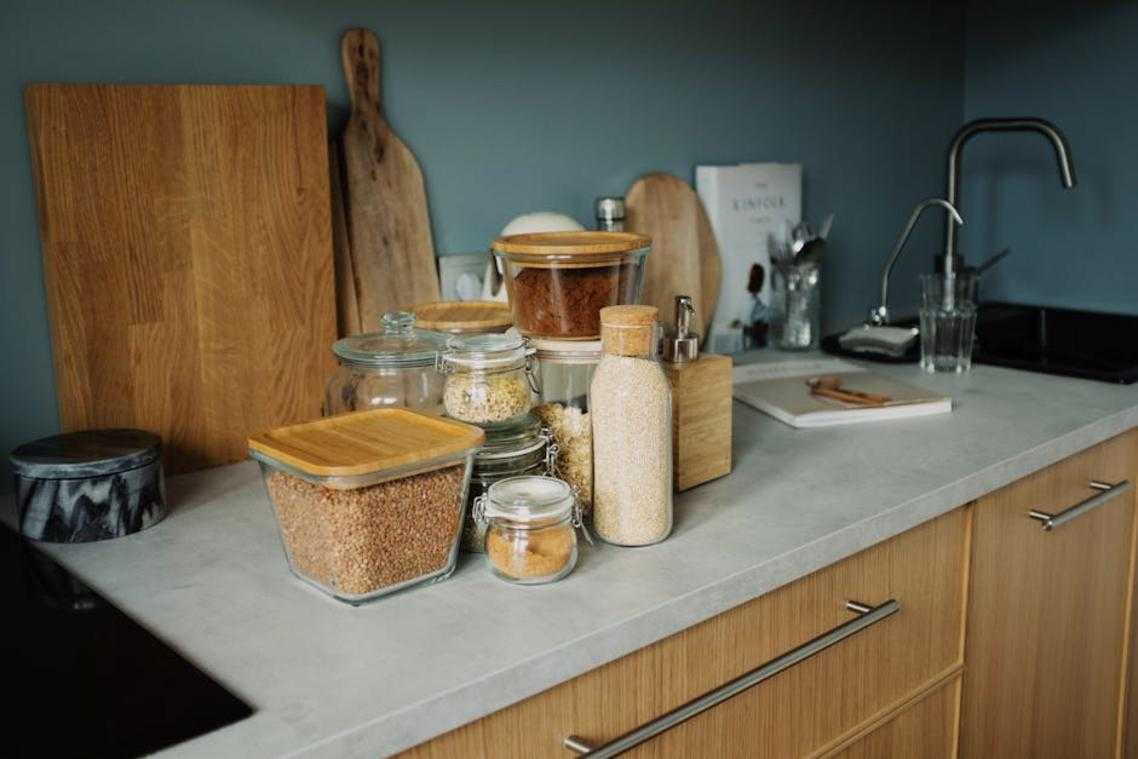
Start with an anecdote about realizing your kitchen isn’t too small—you’re just not using it well. I remember opening a cabinet once and getting ambushed by a cascade of mismatched bowls (gravity is ruthless). That’s when I stopped blaming square footage and started rethinking strategy.
First, go vertical. Shelf risers—small platforms that create a second tier inside cabinets—instantly double storage for plates and bowls. Install hanging pot racks or magnetic knife strips to reclaim drawer and counter space. Vertical storage simply means using wall height instead of fighting for horizontal room. In smaller kitchens, this shift is a game changer.
Next, tackle drawer dynamics. Drawer dividers prevent utensil chaos and save precious seconds during prep. A spice drawer insert lets you view labels at a glance instead of playing “mystery paprika.” It sounds minor, but friction adds up over time.
Then there’s cabinet clarity. Store daily-use items at eye level for effortless access. Heavier appliances belong on lower shelves (your back will thank you), while lightweight, rarely used items can live higher up. This placement strategy follows basic ergonomic principles—designing spaces around how people naturally move (Harvard Health notes ergonomics reduces strain and injury risk).
Finally, pantry perfection. Decant flour, sugar, and pasta into clear, airtight containers to extend freshness and improve visibility. Add Lazy Susans—rotating trays that prevent forgotten ingredients from hiding in corners.
Some argue aesthetics don’t matter—just cook. I disagree. Thoughtful kitchen organization tips remove barriers between you and creativity (and yes, even Gordon Ramsay likes efficiency). Pro tip: measure shelves before buying containers to avoid awkward gaps.
The Maintenance Mindset: Habits for Lasting Order
A maintenance mindset means treating organization as an ongoing practice, not a one-time overhaul (sorry, no magic montage like in a home makeover show). Research from Princeton University found that clutter competes for your attention, reducing focus and productivity. In other words, disorder isn’t just visual—it’s cognitive.
Start with the One-In, One-Out Rule. Behavioral economists call this a “constraint system,” a simple boundary that limits excess. If a new blender comes in, the old one goes. As a result, storage stays stable.
Next, implement a 5-Minute Reset. According to habit-formation studies published in European Journal of Social Psychology, small daily actions are more sustainable than occasional deep cleans. Five minutes nightly prevents weekend chaos.
Likewise, clean as you go. Professional chefs rely on this to maintain speed and safety during service (no one wants a cutting board avalanche mid-dinner).
Finally, schedule a seasonal review. Pro tip: set a calendar reminder quarterly. Consistent kitchen organization tips beat dramatic purges every time.
For even more innovative ways to streamline your cooking experience, be sure to check out our article on how Tbtechchef Food Tech From That-bites can transform your kitchen workflow.
Bring More Flavor and Flow Into Your Kitchen
You came here looking for smarter ways to elevate your cooking, experiment with bold flavors, and make your time in the kitchen more efficient. Now you have the techniques, fusion ideas, and flavor-boosting strategies to turn everyday meals into memorable experiences.
The real frustration isn’t a lack of recipes — it’s feeling stuck with bland results, cluttered counters, and ingredients that never quite come together the way you imagined. By applying these flavor enhancement hacks and kitchen organization tips, you remove the chaos and unlock creativity every time you cook.
Now it’s time to take action. Start by reorganizing your prep space, experiment with one new global ingredient this week, and layer flavors intentionally in your next dish. Small, consistent upgrades create dramatic improvements.
If you’re ready to transform average meals into standout plates with proven flavor strategies and practical guidance, explore more expert-backed insights today and start cooking with confidence.