
If you’ve ever wondered why some dishes taste flat while others feel vibrant and balanced, the answer often comes down to one powerful technique: using acidity in food. Whether you’re trying to brighten a heavy stew, balance sweetness in a dessert, or elevate the natural flavor of fresh produce, understanding how acid works can completely transform your cooking.
This article is designed for home cooks and food enthusiasts who want practical, immediately usable guidance—not vague theory. We’ll break down how acidity affects flavor perception, when to add it during cooking, and which acidic ingredients work best in different cuisines. You’ll also learn simple flavor-enhancing hacks that professional kitchens rely on but rarely explain.
Our insights are grounded in culinary fundamentals, hands-on recipe testing, and techniques drawn from global cuisine traditions where balance is everything. By the end, you’ll know exactly how to use acid with confidence to create brighter, more dynamic dishes every time.
The Flavor Secret Hiding in Plain Sight
You followed recipe exactly, yet your dish tastes flat, heavy, or one-dimensional. That frustration usually isn’t about salt or spice—it’s about balance. Professional chefs think in contrasts. They rely on using acidity in food to brighten richness, sharpen sweetness, and cut through fat. Think lemon on fried fish or vinegar in a slow-cooked stew (suddenly alive). My recommendation: taste, then add a specific acid—citrus for freshness, vinegar for depth, yogurt or wine for complexity. Start small, adjust, and notice how flavors snap into focus. Pro tip: add acid at end to preserve brightness.
Why Your Tongue Loves a Tang: The Science of Flavor Balancing
For an aromatic twist, consider adding a splash of vinegar or citrus juice to your dishes, just as you would in the delightful recipe for Hingagyi, which you can explore further in our detailed guide – for more details, check out our How To Make Hingagyi.
I remember the first time I squeezed lemon over a too-rich pasta Alfredo. Before that, it felt heavy and flat. Afterward? It practically sparkled. That small splash changed everything—and it taught me how using acidity in food can transform a dish.
Here’s what’s happening. Acidity (the sharp, tangy quality found in ingredients like citrus or vinegar) makes you salivate. More saliva means flavors spread across your palate more easily, amplifying taste. In other words, acid turns up the volume.
First, acid cuts through richness. Think vinegar with fried fish or lemon on avocado toast. Fat coats your tongue, muting flavor; acid slices through that coating like a reset button.
Next, it brightens and lifts. A dull soup can taste suddenly alive with a splash of lime. It’s like adjusting brightness and contrast on a photo—suddenly, the details pop.
Finally, acid enhances salt and sweetness. A squeeze of citrus can reduce the need for extra salt, while balancing overly sweet glazes or desserts. (Ever notice how a pinch of tartness makes berries taste more like themselves?)
Some argue salt alone is enough. I used to think so, too. But once you taste the difference, there’s no going back—kind of like switching from standard to HD.
Your Culinary Acid Toolkit: A Guide to the Pantry
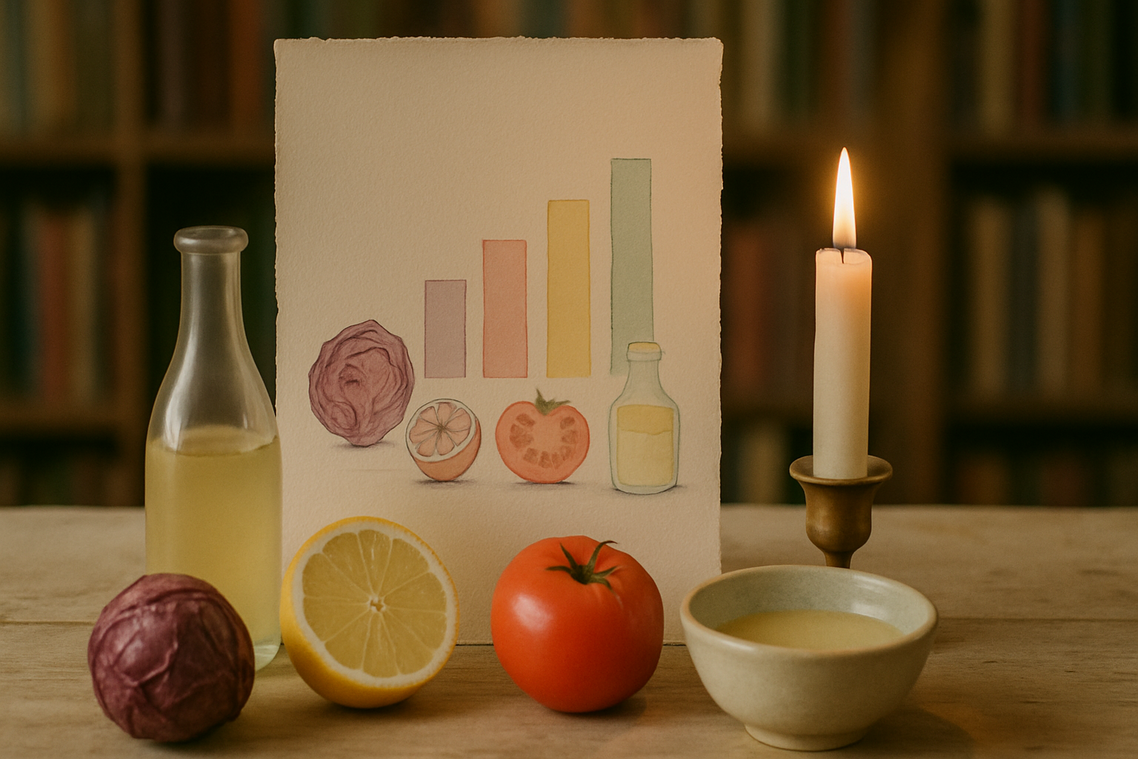
If salt is the volume knob of flavor, acid is the brightness setting. Understanding your options is the fastest way to level up your cooking.
Citrus
First, reach for citrus when you want freshness. Lemons and limes deliver sharp, clean juice—ideal for dressings or finishing grilled fish. Oranges and grapefruit lean sweeter, better for marinades or salads. Importantly, juice and zest aren’t interchangeable. Juice provides tart liquid acidity, while zest contains aromatic oils that add fragrance without extra sourness (think lemon zest over pasta versus a squeeze of juice in piccata). When in doubt, add zest first, then juice to taste.
Vinegars
Next, stock multiple vinegars. Apple cider vinegar is fruity and great for slaws. Red wine vinegar suits hearty vegetables. White wine vinegar is lighter and versatile. Balsamic is sweet and syrupy—perfect for strawberries or glazes. Rice vinegar is mild and slightly sweet, essential for Asian dishes. Choose vinegar based on cuisine; don’t splash balsamic into sushi rice (unless you’re feeling chaotic).
Fermented Dairy
Meanwhile, yogurt, buttermilk, sour cream, and crème fraîche offer creamy tang. Their lactic acid helps tenderize proteins in marinades while enriching sauces. Pro tip: Marinate chicken in yogurt with spices overnight for remarkably juicy results.
Wine and Tomatoes
Then there’s wine and tomatoes. A splash of dry wine deglazes pans and adds depth. Tomatoes, naturally acidic, form the backbone of countless sauces—balance them with a pinch of sugar if needed.
Other Sources
Finally, explore capers, cornichons, kimchi, and sauerkraut. These fermented or pickled ingredients add complexity far beyond simple sourness.
Mastering using acidity in food means choosing the right source for the right moment—because brightness, used wisely, makes everything taste more alive.
Mastering the Method: When and How to Add a Touch of Acid
Most people think acid is just a garnish—a squeeze of lemon at the end and done. I disagree. Thoughtfully using acidity in food is a strategic move, not a decorative one.
As a Marinade
Acid (ingredients like citrus juice, vinegar, or yogurt) denatures proteins—meaning it unwinds their structure—so flavors penetrate more deeply. That’s why ceviche “cooks” in lime juice. However, more isn’t better. Marinate chicken for 2–4 hours, steak for 30–60 minutes, and fish for no more than 30. Go longer and you’ll get mushy texture (think over-soaked sponge). Pro tip: balance acid with oil and salt to prevent harshness.
During the Cooking Process
Next, consider deglazing. After searing meat, browned bits (called fond) stick to the pan. Add a splash of wine or vinegar to loosen them, scraping as it bubbles. This builds a layered pan sauce in minutes. Some argue stock alone is enough. Yet without acid, sauces taste flat—like a song missing its chorus.
As a Finishing Touch
Here’s the contrarian take: the final splash matters more than the marinade. A last-minute squeeze of lime over tacos or a dash of sherry vinegar in soup wakes everything up. Heat dulls brightness; finishing acid restores it.
In Vinaigrettes and Sauces
Start with the classic 3:1 ratio—three parts oil to one part acid. Then add salt, maybe mustard for emulsification (binding oil and water), and taste. If it feels sharp, add fat; if dull, add acid. For deeper savoriness, explore the secret power of umami rich ingredients. Balance is built, not guessed.
Common Pitfalls and Pro-Level Adjustments
First, avoid the “Too Much, Too Soon” error. When you add all your acid at the start, especially citrus juice, heat dulls its brightness and the flavor cooks off. Instead, split additions—some early, some right before serving.
Next, match intensity. A delicate sole drowned in balsamic is like Darth Vader at a royal tea party. Choose rice vinegar or a squeeze of lemon for subtle dishes; save robust acids for meats.
Pro tip: If a dish turns sharp, balance it with a touch of honey, butter, or salt. Mastering using acidity in food is restraint.
By now, you understand the core principle: acidity isn’t just a flavor, it’s a tool for creating balance. When food tastes flat or heavy, it’s rarely missing salt—it’s missing lift. The techniques you’ve learned are the direct fix.
So, start small. Pick one meal this week and add a finishing acid where you normally wouldn’t—a splash of vinegar in your soup or a squeeze of lime over roasted vegetables—and taste the difference. In doing so, you’re using acidity in food with intention, not guesswork. Notice how flavors sharpen, sweetness pops, and richness feels lighter. Then build from there. Trust yourself.
Elevate Every Bite with Purpose
You set out to understand how flavor really works—and now you see how the right balance can transform any dish from flat to unforgettable. When meals taste dull, heavy, or one-dimensional, the missing piece is often using acidity in food the right way. A squeeze of citrus, a splash of vinegar, or a touch of fermented brightness can cut through richness, enhance natural sweetness, and bring every ingredient into focus.
The difference between “good” and “can’t-stop-eating-this” usually comes down to balance. Mastering acidity gives you control. It sharpens flavors, rescues bland recipes, and adds complexity without extra salt or fat.
Now it’s time to put this into practice. Start experimenting with small acidic adjustments in your next dish and taste as you go. If you want more flavor-boosting techniques and globally inspired hacks trusted by thousands of passionate home cooks, explore our expert guides today and take your cooking from ordinary to extraordinary.