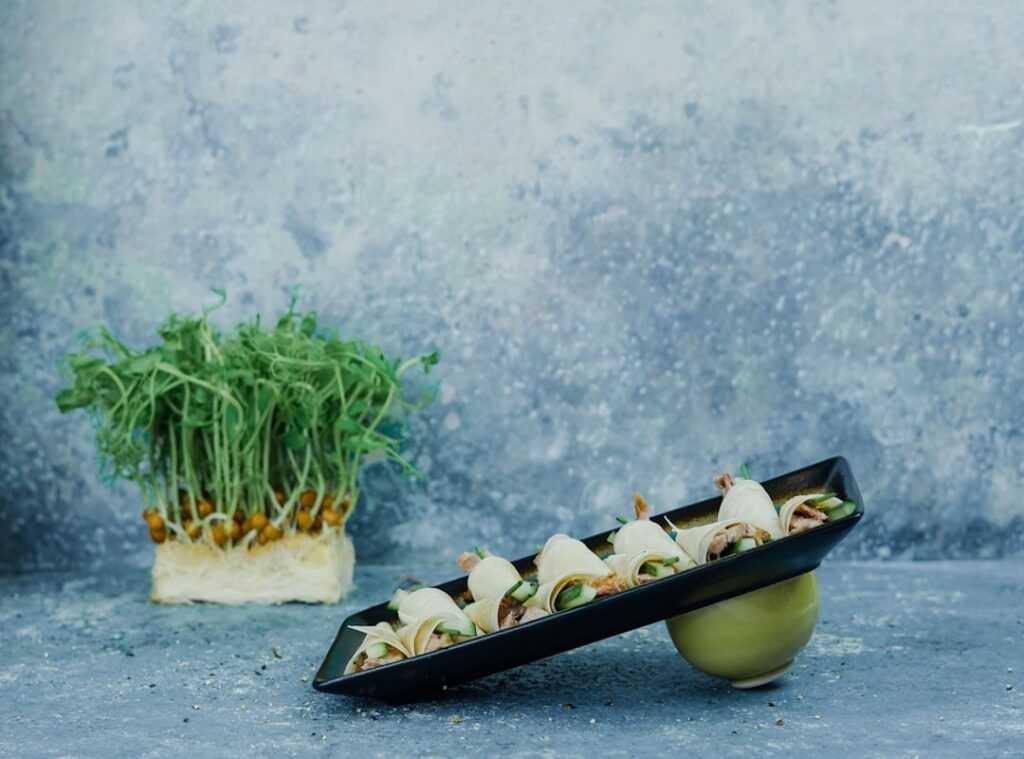

If you’re tired of the daily “what’s for dinner?” scramble, you’re not alone. That last-minute stress often leads to wasted ingredients, blown budgets, and takeout that doesn’t make you feel your best. This guide is designed to solve those problems with a smarter approach to weekly meal planning—one rooted in real culinary fundamentals. Instead of rigid schedules and bland repetition, you’ll learn how to maximize flavor, streamline prep, and use ingredients efficiently. The result is a simple, flexible framework that transforms meal planning from a draining chore into a creative, satisfying ritual you’ll actually look forward to each week.
Beyond Budgets: The Unexpected Perks of a Weekly Meal Plan
The Culinary Advantage
Most advice stops at saving money. But the real edge is creative control. Planning ahead lets you marinate short ribs for 24 hours or attempt a hand‑rolled pasta on a lighter evening (because Tuesday deserves better than panic tacos). With weekly meal planning, you can map complex recipes to calm nights and quick stir‑fries to chaos. That rhythm is a strategic kitchen advantage few competitors talk about.
The Health Dividend
A written plan acts like a nutritional dashboard. You see protein gaps, fiber streaks, and portion creep before they happen. Research shows meal planners tend to have healthier diets and lower obesity rates (International Journal of Behavioral Nutrition and Physical Activity, 2017). Skeptics argue spontaneity keeps food joyful. Fair—but structure doesn’t kill joy; it protects it.
The Sustainability Factor
Buying with intention directly reduces food waste, which accounts for 30–40% of the U.S. food supply (USDA).
The Mental Space
Fewer daily decisions mean less decision fatigue—freeing energy for what actually matters.
A Chef’s 5-Step Framework for Flawless Meal Planning
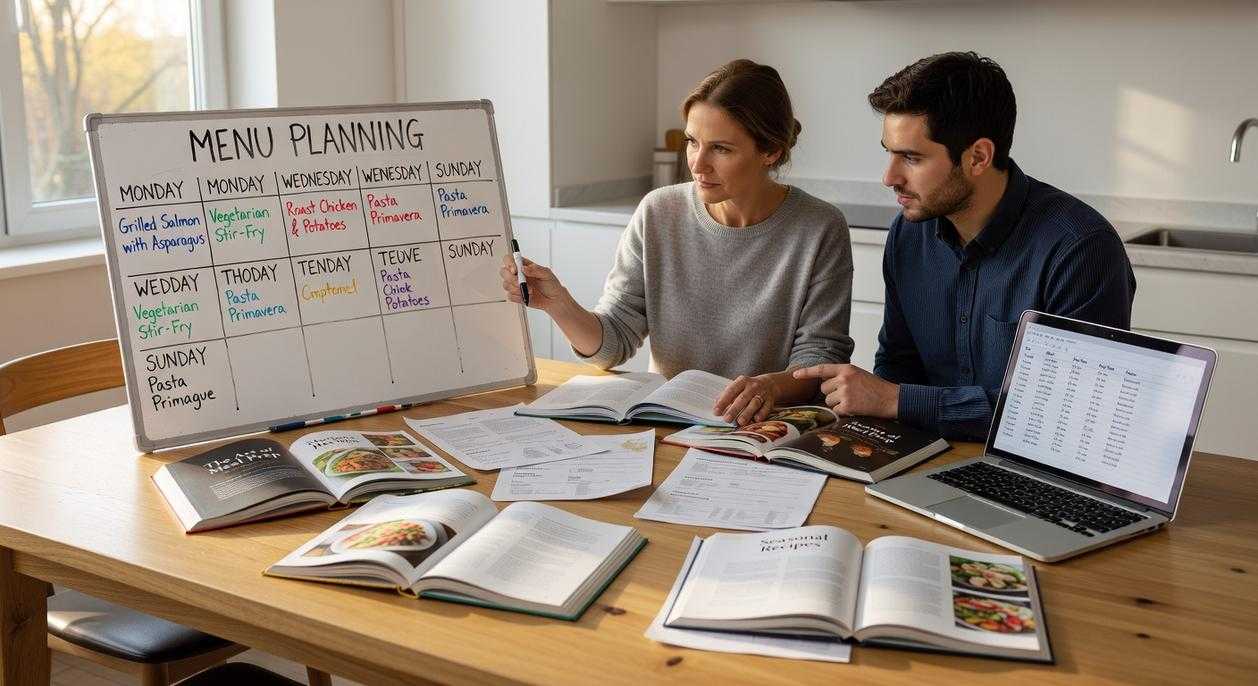
If you want calmer evenings, smarter grocery runs, and fewer “what’s for dinner?” standoffs, follow this five-step system. It’s practical, repeatable, and built for real life—not a fantasy kitchen with unlimited time.
Step 1: The Schedule Scan
Before choosing recipes, audit your calendar. Late meeting on Wednesday? That’s a 20-minute stir-fry night. Leisurely Sunday? Perfect for a slow roast. This simple preview prevents overcommitting (and defaulting to takeout). I strongly recommend pairing busy nights with one-pan meals or sheet-pan dinners for minimal cleanup.
Step 2: The Pantry “Shop”
Treat your kitchen like a grocery store. Check produce drawers, scan for wilting herbs, and note proteins in the freezer. Building meals around what you already have reduces waste and saves money. According to the USDA, food waste is estimated at 30–40% of the food supply (USDA, 2023). Start with what needs using up first—soft peppers, half a carton of yogurt, leftover rice.
Step 3: Theme Your Days
Assign light structure: Meatless Monday, Taco Tuesday, Global Fusion Friday. Themes narrow decisions without killing creativity. (Even professional chefs use constraints to spark ideas.) I recommend rotating cuisines monthly to avoid palate fatigue—Italian one week, Thai the next.
Step 4: Master Ingredient Overlap
Choose 2–3 recipes sharing a core ingredient. Roast a whole chicken once; use leftovers for tacos or soup. This technique—called ingredient cross-utilization—maximizes flavor and efficiency. Overlap is the secret weapon of weekly meal planning because it cuts prep time dramatically.
Step 5: Create a “Store-Mapped” List
Organize your list by store sections: Produce, Dairy, Meat, Aisles. You’ll shop faster and avoid impulse buys (goodbye, random snack aisle detours).
Some argue spontaneity makes cooking more exciting. True—but structure creates freedom. Plan smart, then improvise within the plan.
Flavor hacks are my secret weapon during busy weeks lately.
I prefer component prepping over rigid meal plans every week.
Cooking large batches of quinoa saves serious time and money.
Roasted vegetables become salads, wraps, or grain bowls with ease.
A universal vinaigrette ties everything together effortlessly all week long.
Honestly, full meal prep feels monotonous fast to me personally.
Components keep choices flexible without extra effort at all times.
The Power of a Flavor Base
Mirepoix builds depth from onions carrots and celery slowly sautéed.
Sofrito delivers bold flavor in minutes flat when prepared ahead.
I make big batches and freeze portions for later use.
They jumpstart soups stews sauces and even rice dishes easily.
Some argue fresh each night tastes superior always anyway though.
I disagree because flavor bases actually deepen overnight in storage.
Strategic freezing is another underrated efficiency move for home cooks.
Sauces soups and marinated proteins freeze beautifully without texture loss.
Creamy emulsions and raw greens rarely survive the cold well.
Freeze items separately for quick assembly later during busy nights.
This approach simplifies weekly meal planning dramatically for families everywhere.
Fresh finishers make reheated dishes taste alive again instantly though.
A squeeze of lemon brightens everything instantly on top nicely.
Chopped parsley yogurt or chili oil add contrast and excitement.
I treat them like culinary highlighters for every bowl served.
Pro tip read labels before stocking freezer staples carefully first.
The beginners guide to food label reading and smart shopping helps decode ingredients quickly.
Choosing Your Tools
When it comes to organizing recipes, high-tech helpers like Paprika or Plan to Eat can streamline everything. They store favorites, auto-generate shopping lists, and simplify weekly meal planning in seconds. That convenience saves time and reduces decision fatigue.
On the other hand, a magnetic whiteboard, a dedicated notebook, or a printable template keeps things visible and distraction-free. No logins. No updates. Just clarity.
Ultimately, the best tool is the one you’ll actually use. Consistency builds momentum, cuts food waste, and turns scattered ideas into satisfying meals. Pick simple, stick with it, and enjoy the payoff today.
By incorporating umami-rich ingredients into your weekly meal plan, you can create quick and satisfying dishes that not only save you time but also elevate your meals with depth and flavor—discover more about these powerhouse ingredients in our article on ‘The Secret Power of Umami-Rich Ingredients.’
From Kitchen Chaos to Culinary Calm
You started this journey looking for relief from the nightly scramble of “What’s for dinner?” Now, you have a complete, flexible system for weekly meal planning that puts you back in control. The weeknight stress, the last-minute takeout, the forgotten ingredients—those don’t have to be your routine anymore.
This isn’t about rigid meal charts or eating the same leftovers on repeat. It’s about smart, creative cooking that adapts to your schedule, your cravings, and your kitchen.
Here’s your next step: This week, try planning just three meals using this framework. Notice the difference it makes.
 Founder & Chief Culinary Officer
There is a specific skill involved in explaining something clearly — one that is completely separate from actually knowing the subject. Zayric Mythvale has both. They has spent years working with global cuisine explorations in a hands-on capacity, and an equal amount of time figuring out how to translate that experience into writing that people with different backgrounds can actually absorb and use.
Zayric tends to approach complex subjects — Global Cuisine Explorations, Flavor Enhancement Hacks, Culinary Buzz being good examples — by starting with what the reader already knows, then building outward from there rather than dropping them in the deep end. It sounds like a small thing. In practice it makes a significant difference in whether someone finishes the article or abandons it halfway through. They is also good at knowing when to stop — a surprisingly underrated skill. Some writers bury useful information under so many caveats and qualifications that the point disappears. Zayric knows where the point is and gets there without too many detours.
The practical effect of all this is that people who read Zayric's work tend to come away actually capable of doing something with it. Not just vaguely informed — actually capable. For a writer working in global cuisine explorations, that is probably the best possible outcome, and it's the standard Zayric holds they's own work to.
Founder & Chief Culinary Officer
There is a specific skill involved in explaining something clearly — one that is completely separate from actually knowing the subject. Zayric Mythvale has both. They has spent years working with global cuisine explorations in a hands-on capacity, and an equal amount of time figuring out how to translate that experience into writing that people with different backgrounds can actually absorb and use.
Zayric tends to approach complex subjects — Global Cuisine Explorations, Flavor Enhancement Hacks, Culinary Buzz being good examples — by starting with what the reader already knows, then building outward from there rather than dropping them in the deep end. It sounds like a small thing. In practice it makes a significant difference in whether someone finishes the article or abandons it halfway through. They is also good at knowing when to stop — a surprisingly underrated skill. Some writers bury useful information under so many caveats and qualifications that the point disappears. Zayric knows where the point is and gets there without too many detours.
The practical effect of all this is that people who read Zayric's work tend to come away actually capable of doing something with it. Not just vaguely informed — actually capable. For a writer working in global cuisine explorations, that is probably the best possible outcome, and it's the standard Zayric holds they's own work to.