If you’re here, you’re craving more than just recipes—you want to understand what makes flavors unforgettable. This article dives into the heart of today’s culinary buzz, exploring the foundations of great cooking, the excitement of global cuisine, and the science behind ingredient fusion that transforms ordinary dishes into extraordinary experiences.
We’ll break down how to balance taste, texture, and aroma, highlight the role of umami rich ingredients in deepening flavor profiles, and share practical flavor enhancement hacks you can use immediately in your own kitchen. Whether you’re experimenting with cross-cultural combinations or refining classic techniques, you’ll find insights grounded in culinary fundamentals and inspired by worldwide food traditions.
Expect clear explanations, creative inspiration, and actionable tips designed to elevate your cooking with confidence and precision.
Umami is often called the fifth taste, but that phrase can feel mysterious. Simply put, umami is the deep, savory flavor created by glutamates, natural compounds found in certain foods. When glutamates hit your tongue, they signal richness and satisfaction—think of the comforting depth in broth or aged cheese. If your meals taste flat, you’re likely missing this layer. Start with umami rich ingredients like tomatoes, mushrooms, soy sauce, and Parmesan. Layer them: sauté mushrooms before adding stock, or finish pasta with a splash of soy sauce. Balance is key; too much overwhelms, enough transforms into a truly unforgettable dish.
The Science of Savory: What Exactly Is Umami?
Umami is often called the “fifth taste,” alongside sweet, sour, salty, and bitter. Specifically, it’s the taste of glutamates—amino acids that signal protein presence—and certain nucleotides, which amplify that savory effect. In other words, when you taste umami, your brain registers nourishment. That’s not poetic; it’s biochemical.
Back in 1908, Professor Kikunae Ikeda isolated glutamate crystals from kombu broth and coined the term umami, meaning “pleasant savory taste.” His discovery explained why seaweed stock had such depth compared to plain salted water.
Some skeptics argue umami is just a blend of salty and meaty flavors. However, studies show distinct receptors on the tongue respond specifically to glutamates (Ikeda, 1909; Chandrashekar et al., 2006). That specificity matters.
In cooking, umami creates fullness or body, enhancing other tastes and making dishes more satisfying. Think broths, aged cheeses, or seared meats. Strategically layering umami rich ingredients can transform a flat dish into something crave-worthy (yes, that’s why ramen hits differently).
Pantry Powerhouses: The Most Potent Umami Sources
By exploring the secret power of umami-rich ingredients, you’ll not only elevate your dishes but also discover how to harness the best cooking techniques with the insights from our article on Smart Kitchen TbcChef – for more details, check out our Smart Kitchen Tbtechchef.
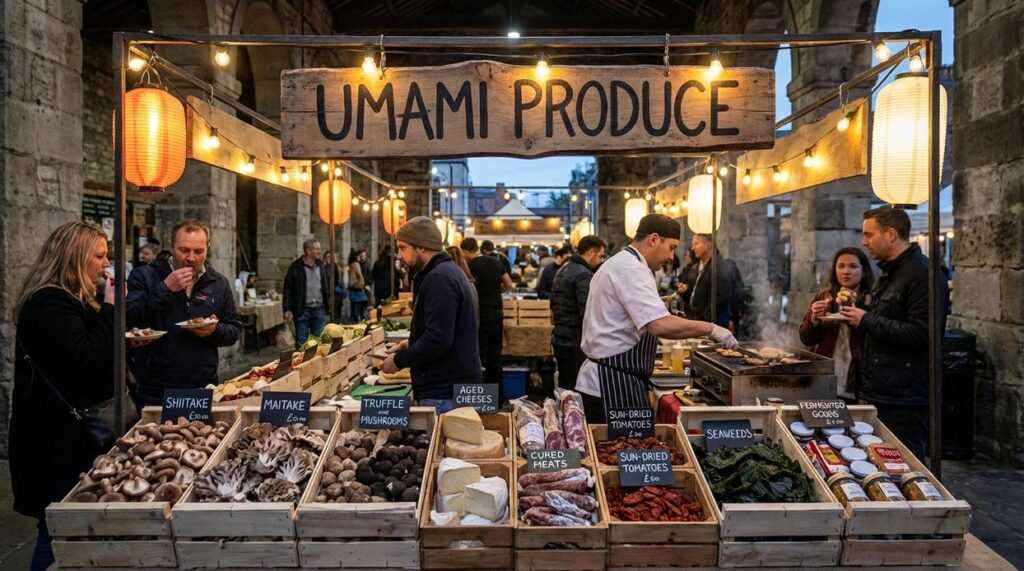
If you want deeper, more crave-worthy cooking, stock your shelves with ingredients that let time do the work. Fermentation, aging, curing—these processes break proteins into free glutamates (naturally occurring compounds responsible for umami, the savory “fifth taste,” first identified by chemist Kikunae Ikeda in 1908).
Fermented & Aged Staples
-
Soy Sauce & Tamari
Brewed from soybeans and grains, then fermented for months, these sauces develop layered, savory complexity. They’re not just salty—they’re rounded, slightly sweet, and deeply aromatic. Choose naturally brewed over chemically produced versions for fuller flavor (your stir-fry will thank you). -
Miso Paste
A fermented soybean paste aged anywhere from weeks to years. White miso is mild and slightly sweet—ideal for dressings or light soups. Red miso is bold, funky, and intense, perfect for marinades and hearty stews. Pro tip: whisk a spoonful into butter for instant depth. -
Aged Cheeses
Parmigiano-Reggiano and Pecorino Romano develop crunchy tyrosine crystals as proteins break down during aging. That’s concentrated savoriness. Grate over pasta, yes—but also over roasted vegetables or popcorn (trust me).
Concentrates from the Sea
-
Anchovies & Fish Sauce
These aren’t “fishy”; they’re flavor amplifiers. Fermented fish create glutamate-rich liquids and fillets that disappear into sauces and braises, leaving complexity behind. Caesar dressing without anchovy? A missed opportunity. -
Seaweed (Kombu & Nori)
Kombu is the backbone of dashi, a Japanese broth built on extracted glutamates. Nori adds a toasty, oceanic savoriness—think sushi, but also crumbled over eggs.
Cured Meats
- Prosciutto, Bacon, Salami
Curing and drying concentrate natural umami. A small amount can transform soups, pastas, or even salads.
If you’re building a smarter pantry, prioritize these umami rich ingredients and experiment boldly. Your food will taste fuller, rounder, and undeniably satisfying.
Unlocking Umami in Everyday Vegetables and Fungi

Umami—often called the fifth taste—is the savory depth created by naturally occurring glutamates. While many people associate it with meat or cheese, everyday vegetables and fungi can deliver remarkable intensity when handled correctly.
Tomatoes
Raw tomatoes contain glutamates, but cooking transforms them. Simmering into paste or sun-drying removes water, concentrating flavor compounds. That’s why tomato sauce tastes richer than a fresh slice on a sandwich. The longer, slower reduction builds complexity (think of it as turning up the flavor volume).
Mushrooms
Mushrooms are natural umami powerhouses. Dried shiitake, in particular, contain exceptionally high glutamate levels. Rehydrating them creates a deeply savory broth, while roasting fresh mushrooms triggers browning reactions that intensify taste. For maximum impact, sear without crowding the pan—steam is the enemy of flavor.
The Allium Family
Onions, garlic, and leeks develop sweetness and savoriness when caramelized. Low, steady heat breaks down their natural sugars, forming a rich base for soups, sauces, and stews.
Green Peas and Corn
Surprisingly, both contain natural glutamates. Blended into soups or folded into risotto, they add a subtle backbone to dishes featuring umami rich ingredients.
For even more depth, explore techniques like layering spices for deeper more complex meals to amplify savory notes effectively.
Flavor Hacking: The Art of Umami Synergy
Ever notice how some dishes taste deeper than the sum of their parts? That’s the 1+1=8 Rule in action. When you pair an ingredient high in glutamates (naturally occurring amino acids responsible for savory taste) with one rich in nucleotides like inosinate or guanylate, the umami effect can multiply up to eight times (Ikeda, 1908; Yamaguchi, 1967). Think of it as a culinary power couple.
Try these classic pairings:
- Dashi Broth: Kombu + Bonito Flakes or dried shiitake.
- Bolognese Sauce: Tomatoes + Beef.
- Caesar Dressing: Parmesan + Anchovies.
Some argue great cooking should rely on technique alone, not “flavor hacks.” Fair—but synergy is technique (just smarter technique). Why leave depth on the table?
Here’s my recommendation: think in pairs. Build a base with mushrooms or tomatoes, then add meat or fish to amplify impact. When working with umami rich ingredients, always ask: what’s its perfect partner? (Your taste buds will notice.)
Your New Flavor Toolkit: Putting Umami to Work
Bland, one-dimensional meals get old fast, don’t they? Sound familiar now? Have you ever wondered why restaurant dishes taste deeper, rounder, more satisfying? The difference, more often than not, is intention.
Now that you have a roadmap to umami rich ingredients, the fix is simple. Instead of leaning only on salt, start layering flavors from the pantry, the sea, and the garden. Think miso in a weeknight soup or dried mushrooms folded into taco meat.
So here’s a challenge: pick one ingredient this week and reinvent a favorite recipe. Notice the difference.
Bring Bold Flavor to Every Bite
You came here looking for smarter, more exciting ways to elevate your cooking—and now you have them. From understanding flavor balance to experimenting with fusion techniques and layering umami rich ingredients, you’re equipped to turn everyday meals into unforgettable dishes.
The frustration of bland, predictable food ends when you start applying these flavor-building strategies. A pinch of the right spice, a splash of acid, or the careful use of umami rich ingredients can completely transform your results. Great cooking isn’t about complexity—it’s about intention.
Now it’s your move. Head back to your kitchen and try one new technique today. Explore new global flavor pairings, experiment with ingredient contrasts, and refine your taste instincts. Join thousands of passionate home cooks who rely on our trusted culinary insights to sharpen their skills and amplify flavor.
Your next standout dish starts with one bold step—start cooking smarter now.
 Flavor & Technique Specialist
Gene Omanivano has opinions about culinary buzz. Informed ones, backed by real experience — but opinions nonetheless, and they doesn't try to disguise them as neutral observation. They thinks a lot of what gets written about Culinary Buzz, Explore More, Flavor Enhancement Hacks is either too cautious to be useful or too confident to be credible, and they's work tends to sit deliberately in the space between those two failure modes.
Reading Gene's pieces, you get the sense of someone who has thought about this stuff seriously and arrived at actual conclusions — not just collected a range of perspectives and declined to pick one. That can be uncomfortable when they lands on something you disagree with. It's also why the writing is worth engaging with. Gene isn't interested in telling people what they want to hear. They is interested in telling them what they actually thinks, with enough reasoning behind it that you can push back if you want to. That kind of intellectual honesty is rarer than it should be.
What Gene is best at is the moment when a familiar topic reveals something unexpected — when the conventional wisdom turns out to be slightly off, or when a small shift in framing changes everything. They finds those moments consistently, which is why they's work tends to generate real discussion rather than just passive agreement.
Flavor & Technique Specialist
Gene Omanivano has opinions about culinary buzz. Informed ones, backed by real experience — but opinions nonetheless, and they doesn't try to disguise them as neutral observation. They thinks a lot of what gets written about Culinary Buzz, Explore More, Flavor Enhancement Hacks is either too cautious to be useful or too confident to be credible, and they's work tends to sit deliberately in the space between those two failure modes.
Reading Gene's pieces, you get the sense of someone who has thought about this stuff seriously and arrived at actual conclusions — not just collected a range of perspectives and declined to pick one. That can be uncomfortable when they lands on something you disagree with. It's also why the writing is worth engaging with. Gene isn't interested in telling people what they want to hear. They is interested in telling them what they actually thinks, with enough reasoning behind it that you can push back if you want to. That kind of intellectual honesty is rarer than it should be.
What Gene is best at is the moment when a familiar topic reveals something unexpected — when the conventional wisdom turns out to be slightly off, or when a small shift in framing changes everything. They finds those moments consistently, which is why they's work tends to generate real discussion rather than just passive agreement.