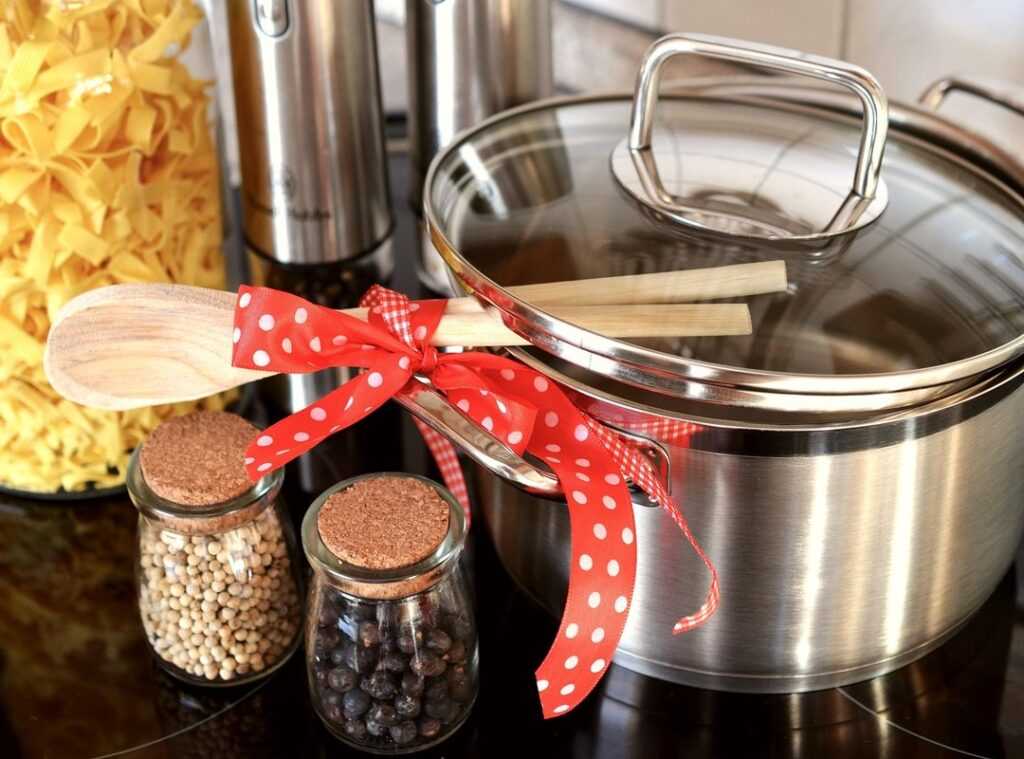

If you’re searching for practical ways to elevate your everyday meals while staying grounded in flavor, nutrition, and creativity, you’re in the right place. Today’s food landscape is filled with fleeting trends and viral recipes—but what most home cooks really want is guidance that blends culinary buzz with real-world technique. This article explores how global cuisine inspirations, smart ingredient pairings, and simple flavor-enhancement hacks can transform your approach to balanced home cooking.
We’ve analyzed emerging food trends, studied foundational cooking principles, and examined how professional kitchens layer flavor to bring you insights that are both inspiring and actionable. Whether you’re experimenting with fusion techniques or refining your pantry staples, you’ll find clear explanations and practical tips designed to help you cook with more confidence and creativity. Let’s break down the flavors, methods, and ideas shaping modern kitchens—and show you how to use them at home.
Beyond the Takeout Menu: Reclaiming Your Kitchen for Health and Flavor
You’re tired of staring into the fridge, then ordering takeout—again. The guilt, the cost, the soggy fries. Meanwhile, meal plans online read like chemistry textbooks. So where’s the middle ground?
Here’s the truth: balanced home cooking isn’t about perfection; it’s about systems. For example, roast once, eat twice. Cook grains in batches. Keep flavor boosters—lemon, herbs, chili flakes—within reach.
| Frustration | Simple Fix |
|---|---|
| “No time” | 30-minute sheet-pan meals |
| “No ideas” | 5 rotating dinners |
| “Too bland” | Acid + salt balance |
In other words, simplify first—then build confidence.
What Does “Wholesome” Really Mean? The Five Pillars of a Nourishing Meal
So, what does wholesome actually mean? Some argue it’s just a marketing word slapped onto pricey granola. Fair point. But when you break it down, it’s more practical—and more delicious—than it sounds.
Pillar 1: Nutrient Density. Think of foods rich in vitamins, minerals, and fiber (nutrients your body needs in small but powerful amounts). Picture a bowl of roasted sweet potatoes—caramelized edges, earthy aroma—versus a bag of plain chips. One fuels you; the other just fills you.
Pillar 2: Minimally Processed. Foods closer to their natural state—like chewy whole grains instead of powdery white flour—retain more nutrients (Harvard T.H. Chan School of Public Health).
Pillar 3: Balanced Macronutrients. Combine protein, complex carbs, and healthy fats for steady energy. Grilled salmon, fluffy quinoa, glossy olive oil drizzle—satisfying and sustaining.
Pillar 4: Flavor & Satisfaction. If it doesn’t taste good, it won’t stick. Herbs sizzling in garlic oil? That’s strategy, not indulgence.
Pillar 5: Mindful Preparation. The rhythmic chop of vegetables, the steam rising—balanced home cooking builds connection, not just meals.
The Strategic Kitchen: How to Plan and Shop for a Week of Success
A strategic kitchen isn’t about rigid meal prep—it’s about making smart decisions once so you don’t make stressful ones every night at 6 p.m. (when takeout apps start whispering). The goal? Balanced home cooking that feels flexible, not forced.
The “Cook Once, Eat Thrice” Method
Batch-cooking means preparing core ingredients in bulk and repurposing them across meals. For example:
- Roast a tray of sweet potatoes and broccoli for grain bowls, tacos, and frittatas
- Grill chicken for salads, wraps, and stir-fries
- Cook quinoa for breakfast bowls, stuffed peppers, or as a soup base
By changing sauces and seasonings, the same base tastes entirely new (think soy sauce and sesame oil one night, lemon and oregano the next). Pro tip: store components separately to maintain texture.
Creating a “Flavor Pantry”
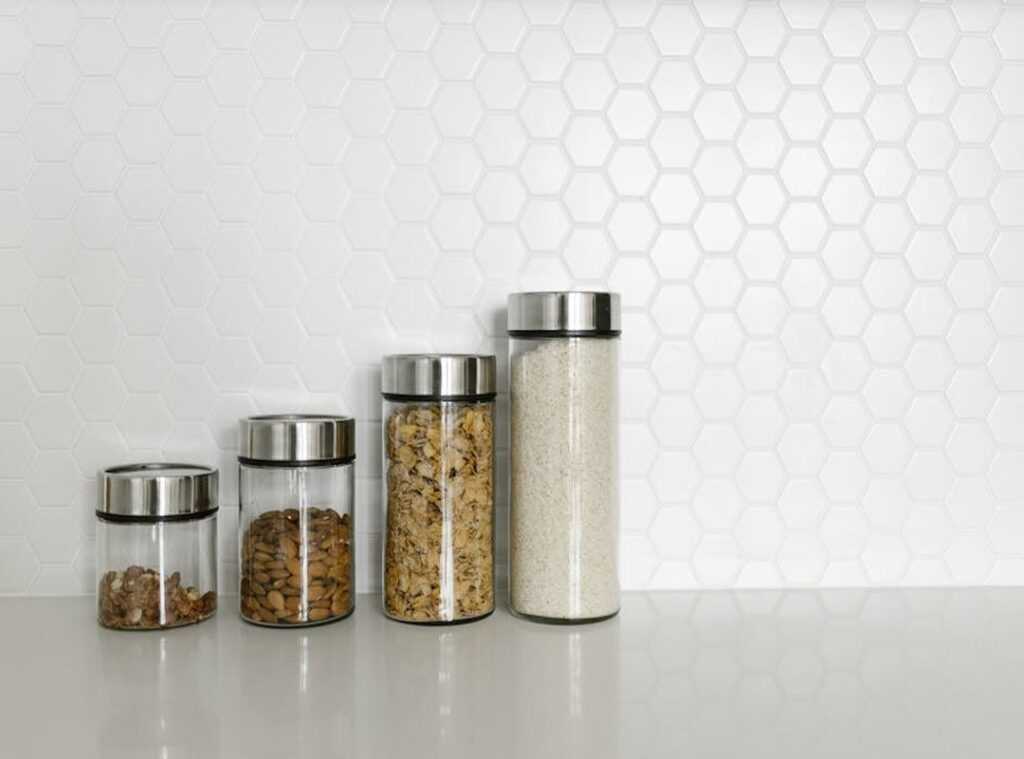
A flavor pantry is a collection of long-lasting ingredients that instantly elevate simple food. Stock:
- Quality olive oil
- Balsamic and rice vinegar
- Dried herbs and spices
- Soy sauce
- Fresh citrus
These ingredients turn basics into something memorable—like upgrading a plain bowl of rice into something restaurant-worthy.
For foundational techniques, revisit understanding flensutenol a beginners guide to food fundamentals.
Smart Shopping List Blueprint
Organize your grocery list by store section—produce, proteins, pantry, dairy. This reduces impulse buys (especially ultra-processed snacks placed at eye level).
Ingredient Spotlight: The Flexible Five
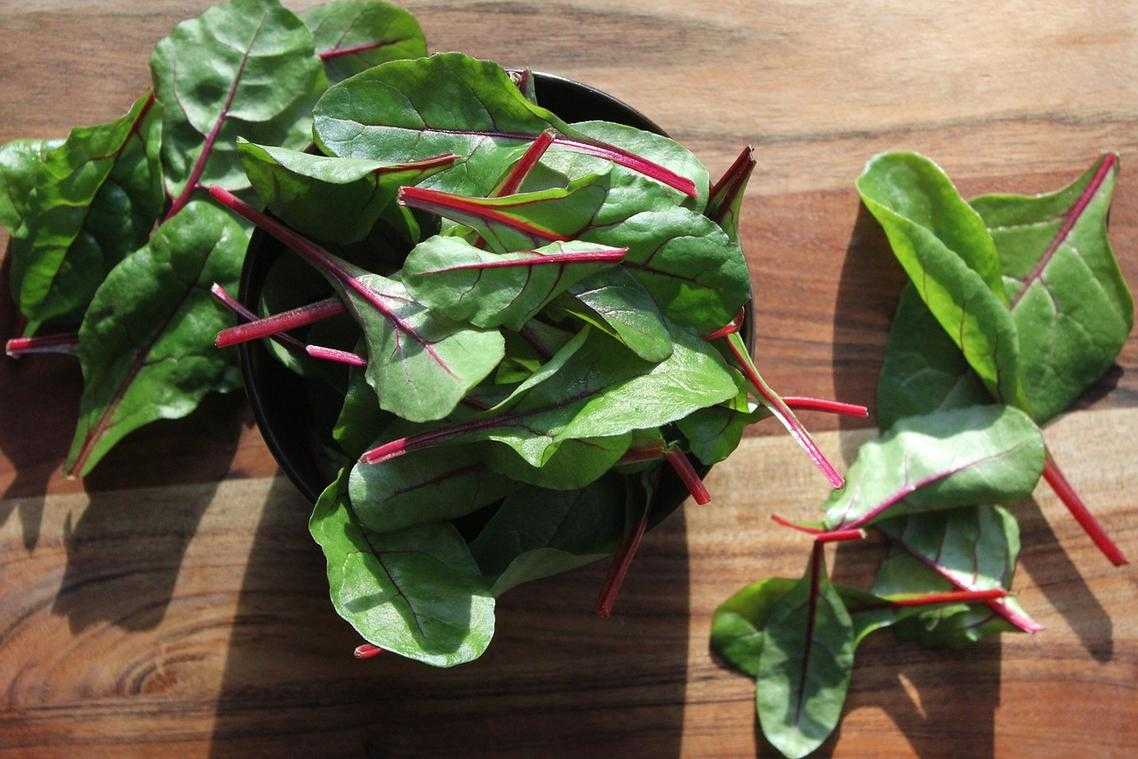
Sweet potatoes, broccoli, bell peppers, onions, and spinach can anchor dozens of wholesome recipes—roasted, sautéed, blended, or stuffed. Master these, and weeknight cooking becomes strategy, not stress.
Flavor-First Fundamentals: Cooking Techniques That Boost Health
Mastering the Roast
High-heat roasting is kitchen alchemy. Slide a tray of carrots or broccoli into a hot oven and you’ll hear the faint sizzle as moisture evaporates and edges turn golden brown. This browning is caramelization—a chemical process where natural sugars break down under heat, creating nutty, sweet complexity (Harvard T.H. Chan School of Public Health). The result? Vegetables that taste rich and slightly crisp on the outside, tender within—no heavy cream sauce required. (Yes, the oven really can do the heavy lifting.)
The Art of the Sauté
A proper sauté means cooking quickly in a small amount of fat over medium-high heat. When onions hit the pan, they should whisper, not scream. Using heart-healthy oils like olive oil in moderation supports cardiovascular health (American Heart Association). The goal is a fragrant base—garlic blooming, peppers softening—ready for stir-fries or grain bowls. Pro tip: Don’t overcrowd the pan; steam is the enemy of browning.
Flavor Hacking 101: Unlocking Umami
Umami—the savory “fifth taste”—adds depth without piling on salt. Mushrooms, tomatoes, and soy sauce contain glutamates that intensify flavor naturally (Journal of Food Science). Think of it as turning up contrast on a photo; everything tastes more vivid.
- Roasted mushrooms for meaty texture
- Tomato paste for concentrated richness
- A splash of soy sauce for bass notes
The Power of an Acidic Finish
A squeeze of lemon or dash of vinegar at the end brightens a dish instantly. Acidity sharpens aromas and balances richness—like adding a cymbal crash to finish a song.
Steaming and Poaching
Gentle methods like steaming and poaching preserve delicate nutrients and texture (USDA). Fish flakes softly; greens stay vibrant. It’s the quiet strength behind balanced home cooking.
Last winter, I hit a dinner rut and started relying on three foolproof formulas.
First, the Ultimate Grain Bowl Formula: base grain, protein, roasted veggies, healthy fat, simple vinaigrette. I once cleared out my fridge with farro, lemony chicken, and charred broccoli and felt like I’d cracked the code to balanced home cooking.
Next, the “Everything” Soup Method: sautéed onion and garlic, broth, hearty vegetables, protein, leafy greens stirred in at the end. It rescued me during a chaotic week that felt straight out of The Bear, only with fewer shouty chefs.
Finally, the Deconstructed Salad Plate: greens topped with colorful piles of vegetables, grains, protein, and dressing. It turns lunch into a choose‑your‑own‑adventure, and somehow everyone at my table eats more vegetables.
Together, these blueprints prove that structure breeds creativity, not boredom. Start with what’s on hand, adjust as needed, and dinner practically cooks itself. Almost like kitchen magic.
Your wholesome kitchen starts now. After years of treating recipes like rulebooks, it’s time to trust yourself. The overwhelm you felt in 2023 scrolling endless meal reels? It fades once you lean on simple blueprints.
Instead of memorizing steps, focus on techniques—roasting, simmering, assembling. That’s how balanced home cooking becomes second nature. Some argue strict recipes guarantee success. Fair. But they rarely teach intuition (and no one wants to feel like a contestant on Chopped every Tuesday).
So, pick one blueprint this week: a grain bowl, a hearty soup, or a loaded salad plate. Pro tip: shop once, cook twice.
To achieve the perfect balance of nutrition and flavor in your home cooking, exploring innovative techniques inspired by tools like those featured in Tbtechchef Food Technology By Thatbites can transform your meals into culinary masterpieces without compromising health.
Bring More Flavor and Confidence to Your Kitchen
You came here looking for practical ways to elevate your meals, experiment with global flavors, and master smarter ingredient pairings. Now you have the tools to turn everyday dishes into something memorable while staying grounded in balanced home cooking.
The real challenge isn’t finding recipes — it’s knowing how to layer flavors, use ingredients with purpose, and avoid meals that feel repetitive or uninspired. When you understand food fundamentals and fusion techniques, you stop guessing and start creating with confidence.
Here’s your next move: choose one new flavor combination this week, apply a flavor-enhancing technique you’ve learned, and build a meal around it. If you want proven culinary insights, trending food inspiration, and practical kitchen strategies trusted by passionate home cooks, explore more of our expert guides and start transforming your cooking today.
 Flavor & Technique Specialist
Gene Omanivano has opinions about culinary buzz. Informed ones, backed by real experience — but opinions nonetheless, and they doesn't try to disguise them as neutral observation. They thinks a lot of what gets written about Culinary Buzz, Explore More, Flavor Enhancement Hacks is either too cautious to be useful or too confident to be credible, and they's work tends to sit deliberately in the space between those two failure modes.
Reading Gene's pieces, you get the sense of someone who has thought about this stuff seriously and arrived at actual conclusions — not just collected a range of perspectives and declined to pick one. That can be uncomfortable when they lands on something you disagree with. It's also why the writing is worth engaging with. Gene isn't interested in telling people what they want to hear. They is interested in telling them what they actually thinks, with enough reasoning behind it that you can push back if you want to. That kind of intellectual honesty is rarer than it should be.
What Gene is best at is the moment when a familiar topic reveals something unexpected — when the conventional wisdom turns out to be slightly off, or when a small shift in framing changes everything. They finds those moments consistently, which is why they's work tends to generate real discussion rather than just passive agreement.
Flavor & Technique Specialist
Gene Omanivano has opinions about culinary buzz. Informed ones, backed by real experience — but opinions nonetheless, and they doesn't try to disguise them as neutral observation. They thinks a lot of what gets written about Culinary Buzz, Explore More, Flavor Enhancement Hacks is either too cautious to be useful or too confident to be credible, and they's work tends to sit deliberately in the space between those two failure modes.
Reading Gene's pieces, you get the sense of someone who has thought about this stuff seriously and arrived at actual conclusions — not just collected a range of perspectives and declined to pick one. That can be uncomfortable when they lands on something you disagree with. It's also why the writing is worth engaging with. Gene isn't interested in telling people what they want to hear. They is interested in telling them what they actually thinks, with enough reasoning behind it that you can push back if you want to. That kind of intellectual honesty is rarer than it should be.
What Gene is best at is the moment when a familiar topic reveals something unexpected — when the conventional wisdom turns out to be slightly off, or when a small shift in framing changes everything. They finds those moments consistently, which is why they's work tends to generate real discussion rather than just passive agreement.