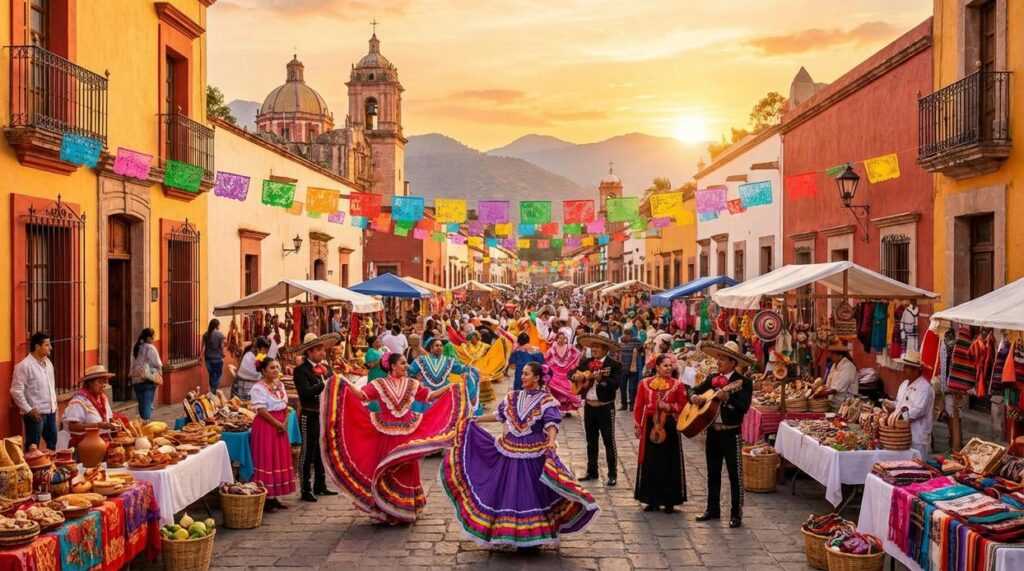
Mexico’s cuisine is recognized by UNESCO as an Intangible Cultural Heritage, yet most diners only scratch the surface with tacos and burritos. The reality is far richer: a vast culinary landscape shaped by geography, history, and deeply rooted regional traditions. Many food lovers miss the complexity that defines Mexico’s true palate. This guide goes beyond the basics, exploring four distinct culinary regions and the authentic dishes, core ingredients, and flavor foundations that make each one unique. By the end, you’ll understand what makes regional Mexican food taste the way it does—and know exactly what to order for an authentic experience.
The Yucatán Peninsula: Achiote, Citrus, and Mayan Roots
The first time I tasted cochinita pibil in Mérida, I remember thinking, this doesn’t taste like the tacos I grew up with. It was earthier, brighter, almost sun-soaked. That moment sent me down a rabbit hole into the Yucatán Peninsula’s layered food history.
Geographically isolated from central Mexico, the region developed a distinct culinary identity shaped by Mayan heritage and Caribbean trade routes. The Maya introduced techniques like cooking in a píib (an underground oven), while trade brought ingredients and flavors that evolved into today’s staples. Achiote paste—made from annatto seeds—gives dishes their signature brick-red hue. Sour orange (naranja agria) adds sharp acidity, and habanero delivers clean, assertive heat (not just fire for fire’s sake).
Cochinita Pibil begins with pork marinated in achiote and sour orange, then wrapped in banana leaves and slow-roasted in a píib. The result is earthy, tangy, and mildly spicy—smoky in a way that feels ancient.
Sopa de Lima, by contrast, is zesty and deeply refreshing. The local lima, a uniquely fragrant citrus, defines the broth’s aroma and balance.
•
Some argue these flavors are too niche compared to other regional Mexican dishes. I disagree. They’re proof that geography shapes taste—and that tradition, when preserved, becomes unforgettable.
Oaxaca: The Land of Seven Moles and Savory Delights
Oaxaca is often called Mexico’s culinary heartland, and not in a throwaway travel-brochure way. Its food is rooted in Zapotec and Mixtec traditions, shaped by mountains, valleys, and coastlines that create staggering biodiversity. Corn, chiles, cacao, herbs—ingredients here aren’t trends; they’re inheritance. And yet, so many people reduce regional Mexican dishes to “tacos and guac,” which is like calling all cinema “superhero movies” (fun, but wildly incomplete).
Take mole negro, Oaxaca’s most iconic sauce. Mole (a complex Mexican sauce made by blending chiles, spices, nuts, and more) can include 30+ ingredients: dried chiles like chilhuacle negro, nuts, sesame seeds, cinnamon, cloves, plantain, and yes, chocolate. The process? Toast, grind, fry, simmer—sometimes over days. The flavor profile is smoky, slightly sweet, deeply savory, and layered in a way that makes bottled sauces taste flat (no offense to shortcuts, but you can tell).
Then there’s the tlayuda, often dubbed a “Mexican pizza.” A large, thin, crispy tortilla is spread with asiento (unrefined pork lard), refried beans, quesillo, and grilled meats. Crunchy, savory, rich—it’s street food that refuses to be boring. If you’ve ever been disappointed by soggy tortillas, this is your redemption arc.
Oaxaca doesn’t just feed you. It challenges your expectations—and rewards your patience.
Jalisco and The West: Hearty Stews and Tequila’s Terroir
Jalisco’s highland geography—cooler elevations, wide ranchlands, and blue agave fields—shaped a cuisine built on slow-cooked meats and bold chiles. Ranching culture meant goats and cattle were plentiful, and long cooking times turned tougher cuts into tender, flavor-packed meals (the original low-and-slow method, long before backyard smokers were trendy).
Birria: The Soul of the Highlands
Birria is a deeply savory stew traditionally made with goat, now often beef. The magic lies in its adobo—a marinade of dried chiles (like guajillo and ancho), garlic, vinegar, and warm spices. Slow-braised, the meat becomes fork-tender, swimming in a rich, aromatic broth. Modern quesabirria tacos—crisped tortillas dipped in fat and griddled with cheese—have gone viral, but don’t skip the consommé for dipping. That broth concentrates flavor and balances spice. Pro tip: add a squeeze of lime to brighten the depth.
Pozole: A Celebratory Classic
Pozole is a hominy-based stew served at holidays and family gatherings. There are three main types: Rojo (red chiles), Verde (tomatillos and green chiles), and Blanco (no added chile sauce). The base is hearty and comforting, but the garnishes—radish, lettuce, onion, lime—let you customize freshness and heat. Think of it as build-your-own comfort food.
These regional Mexican dishes reflect place and tradition, much like terroir shapes tequila. For contrast, explore how climate shapes flavor in nordic cuisine explained simplicity seasonality and innovation: https://flensutenol.com/nordic-cuisine-explained-simplicity-seasonality-and-innovation/.
Central Mexico: From Aztec Origins to Colonial Grandeur
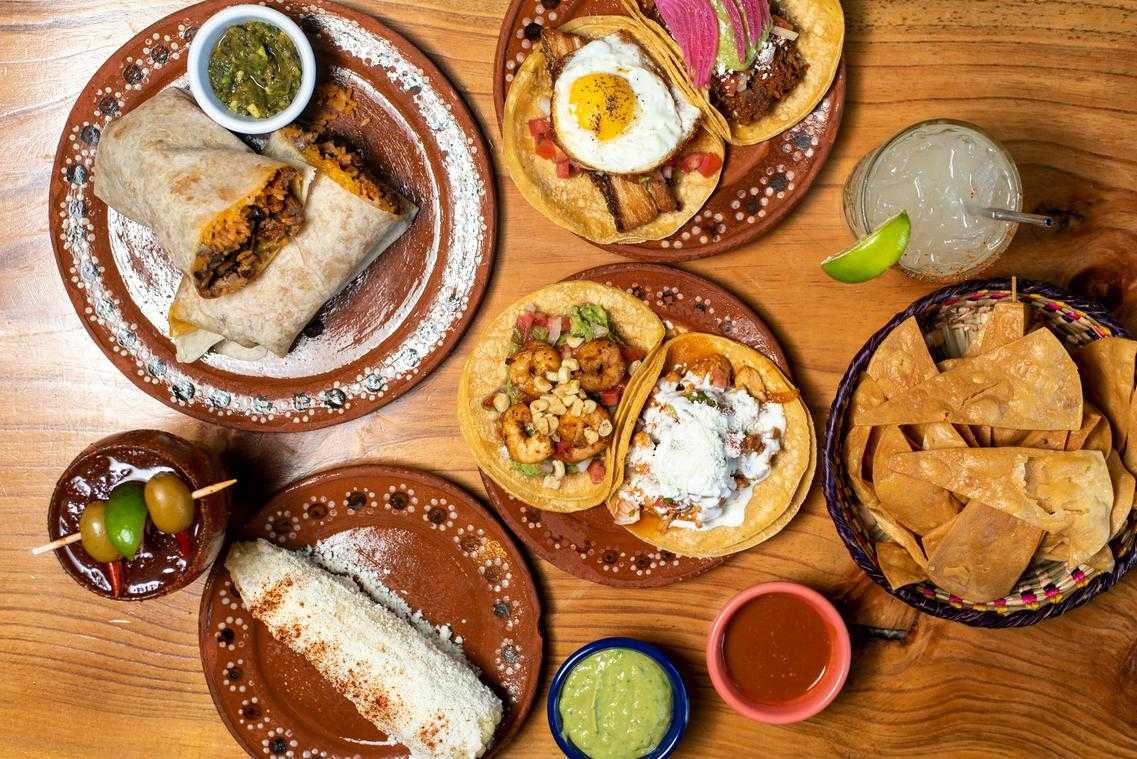
Central Mexico’s high-altitude plains shaped a cuisine born from collision and creativity. When Spanish colonizers arrived in the 16th century, they introduced livestock, dairy, and new techniques that merged with Indigenous staples like maize, chiles, and maguey. Historians note that this fusion—documented in early convent cookbooks from Puebla—laid the groundwork for many regional Mexican dishes still celebrated today.
Barbacoa exemplifies PRE-HISPANIC ingenuity. Traditionally, lamb or mutton is wrapped in maguey leaves and slow-cooked in an underground pit oven (a method called pib). Unlike American barbecue, which relies on open grates and sauce, barbacoa uses earth insulation for steady heat, producing tender, subtly smoky meat.
- Underground pit cooking preserves moisture
- Maguey leaves impart herbal depth
Chiles en Nogada, first recorded in 1821, pairs poblano chiles stuffed with picadillo and topped with creamy walnut sauce and pomegranate—its green, white, and red mirroring the Mexican flag. The flavor is COMPLEX: sweet, savory, and luxuriously creamy.
As you explore the vibrant world of regional Mexican dishes, you’ll likely encounter some tantalizing options that may soon be featured in the innovative setups of ghost kitchens, redefining your dining experience – for more details, check out our The Rise of Ghost Kitchens and What It Means for Diners.
Your Next Flavor Adventure Awaits
Mexico’s cuisine is far from a single story—it’s a tapestry of regional traditions, local ingredients, and time-honored techniques. Now you can see that regional Mexican dishes each carry their own identity, shaped by geography, culture, and history.
If you’ve ever felt stuck ordering the same familiar favorites, that uncertainty ends here. You’re now equipped to explore beyond the basics and appreciate the true depth and diversity of Mexican food with confidence.
Next time you visit an authentic Mexican restaurant or plan a trip, choose one new regional specialty. Challenge your palate, ask questions, and let each bite tell its story. Your next unforgettable flavor experience is waiting.
 Founder & Chief Culinary Officer
There is a specific skill involved in explaining something clearly — one that is completely separate from actually knowing the subject. Zayric Mythvale has both. They has spent years working with global cuisine explorations in a hands-on capacity, and an equal amount of time figuring out how to translate that experience into writing that people with different backgrounds can actually absorb and use.
Zayric tends to approach complex subjects — Global Cuisine Explorations, Flavor Enhancement Hacks, Culinary Buzz being good examples — by starting with what the reader already knows, then building outward from there rather than dropping them in the deep end. It sounds like a small thing. In practice it makes a significant difference in whether someone finishes the article or abandons it halfway through. They is also good at knowing when to stop — a surprisingly underrated skill. Some writers bury useful information under so many caveats and qualifications that the point disappears. Zayric knows where the point is and gets there without too many detours.
The practical effect of all this is that people who read Zayric's work tend to come away actually capable of doing something with it. Not just vaguely informed — actually capable. For a writer working in global cuisine explorations, that is probably the best possible outcome, and it's the standard Zayric holds they's own work to.
Founder & Chief Culinary Officer
There is a specific skill involved in explaining something clearly — one that is completely separate from actually knowing the subject. Zayric Mythvale has both. They has spent years working with global cuisine explorations in a hands-on capacity, and an equal amount of time figuring out how to translate that experience into writing that people with different backgrounds can actually absorb and use.
Zayric tends to approach complex subjects — Global Cuisine Explorations, Flavor Enhancement Hacks, Culinary Buzz being good examples — by starting with what the reader already knows, then building outward from there rather than dropping them in the deep end. It sounds like a small thing. In practice it makes a significant difference in whether someone finishes the article or abandons it halfway through. They is also good at knowing when to stop — a surprisingly underrated skill. Some writers bury useful information under so many caveats and qualifications that the point disappears. Zayric knows where the point is and gets there without too many detours.
The practical effect of all this is that people who read Zayric's work tend to come away actually capable of doing something with it. Not just vaguely informed — actually capable. For a writer working in global cuisine explorations, that is probably the best possible outcome, and it's the standard Zayric holds they's own work to.