Curious about how to bring deeper, more vibrant taste to your cooking? This article explores the techniques, ingredients, and cultural influences that are shaping today’s most exciting food conversations—from ingredient fusion strategies to the bold complexity of West African cuisine flavors. Whether you’re looking to understand foundational cooking principles or experiment with global flavor pairings, you’ll find practical insights designed to elevate your kitchen skills.
We focus on what actually works: time-tested culinary fundamentals, emerging food trends backed by cultural context, and flavor-enhancement methods used in kitchens around the world. Our approach draws from extensive research into global cuisines, traditional preparation techniques, and modern recipe innovation to ensure accuracy and depth.
By the end, you’ll have a clearer understanding of how to balance spices, layer textures, and confidently explore new culinary territory—without losing sight of the fundamentals that make great food unforgettable.
A Journey into the Heart of West African Taste
West African cuisine flavors burst with heat, smoke, sweetness, and depth. Yet many cooks hesitate. The ingredients seem unfamiliar; the techniques feel intimidating. You might stare at a recipe for jollof rice or egusi soup and think, “Where do I even begin?” Honestly, that frustration is common. However, once you understand the core pillars—aromatics like onions and ginger, heat from Scotch bonnet peppers, umami-rich fermented locust beans (a traditional seasoning), and slow-simmered stews—everything clicks. In this guide, we’ll explore ingredients, flavor profiles, and cooking philosophies that shape West African culinary arts.
The Flavor Trinity: Onion, Tomato, and Peppers
If French cuisine has mirepoix, West Africa has its own holy grail: onion, tomato, and peppers. This trio is the backbone of dishes from Jollof Rice to Goat Meat Stew, forming a deeply savory base that defines West African cuisine flavors.
Each ingredient plays a distinct role. Onions bring aromatic sweetness when sautéed—natural sugars caramelize in oil, creating depth (that smell alone can summon everyone to the kitchen). Tomato paste delivers concentrated umami—meaning a savory, mouth-filling richness—and balanced acidity. When fried properly, it darkens in color and loses its raw tang. Then come the peppers, often Scotch Bonnet or Habanero, contributing fruity heat that lingers rather than overwhelms. Think Beyoncé-level presence: bold, unforgettable, but perfectly in control.
Creating the base is simple but sacred:
- Blend fresh tomatoes, onions, and peppers until smooth, then simmer slowly in oil, stirring as the mixture reduces and thickens.
That slow simmer matters. It evaporates excess water and intensifies flavor, transforming a loose purée into a concentrated stew foundation.
Some argue spice blends or bouillon matter more. They help—but without mastering this base, the flavor falls flat. Nail this first, and everything else builds beautifully.
The Pillars of Pungency and Aroma: Essential Spices
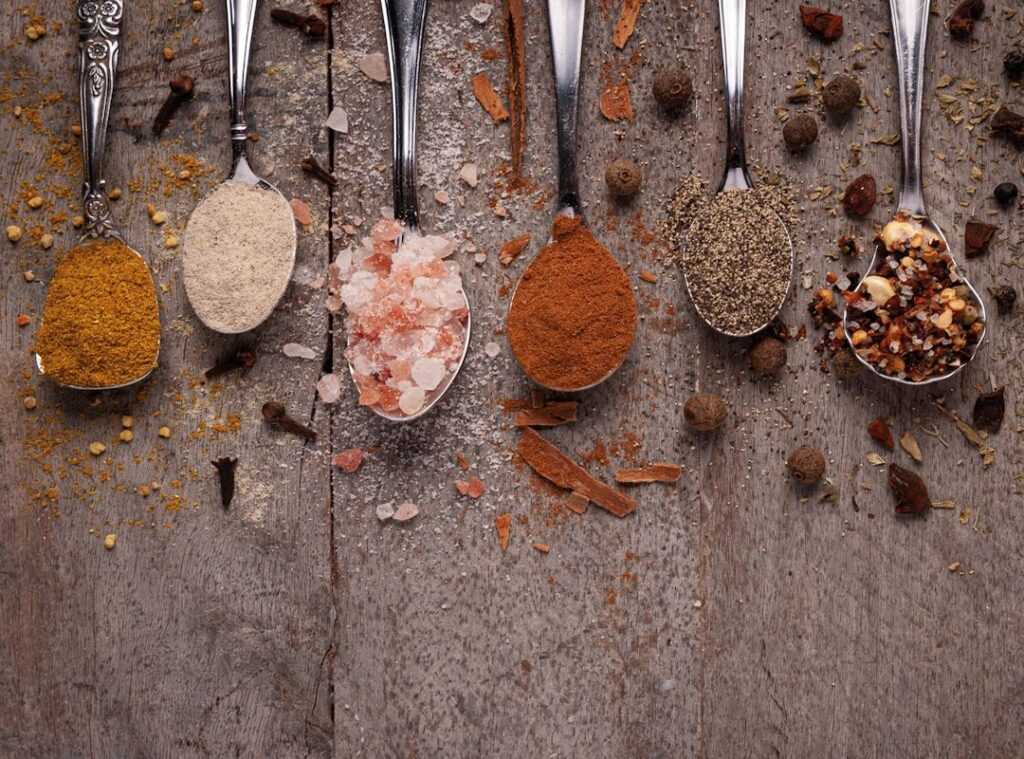
If you think bold flavor comes only from chili heat, these essential spices will change your mind. The true backbone of West African cuisine flavors lies in ingredients that deliver aroma, depth, and complexity—not just fire.
Grains of Paradise (Melegueta Pepper) offers a layered heat: peppery like black pepper, but with bright notes of cardamom, ginger, and citrus. Unlike standard peppercorns, it blooms slowly in stews and shines as a dry rub for grilled meats. Some argue black pepper does the job just fine. But once you taste the subtle floral lift Grains of Paradise adds (especially in slow-cooked goat or beef), it’s hard to go back.
Dawadawa / Iru (Fermented Locust Beans) is unapologetically pungent. Its savory, almost cheesy aroma comes from fermentation—a process that breaks down proteins into glutamates, the compounds responsible for umami (the deep, savory taste also found in mushrooms and aged cheese). Critics say it’s too strong. Yet that intensity is precisely why it works: it’s a natural flavor enhancer long before bouillon cubes tried to imitate it.
Suya Spice (Yaji) is a Northern Nigerian blend built on:
- Ground kuli-kuli (peanut cake)
- Ginger
- Garlic
- Mixed chilis
The peanuts create body, the ginger adds warmth, and the chilis deliver layered heat—perfect for skewered, flame-grilled meats.
Finally, Alligator Pepper and Calabash Nutmeg bring sharp, almost medicinal aromatics to soups and porridges. While some find their bitterness surprising, that complexity is what transforms a simple dish into something unforgettable. (Think of it as the difference between background music and a full orchestra.)
For another example of how ingredients shape culture, explore the mediterranean diet secrets why its loved worldwide.
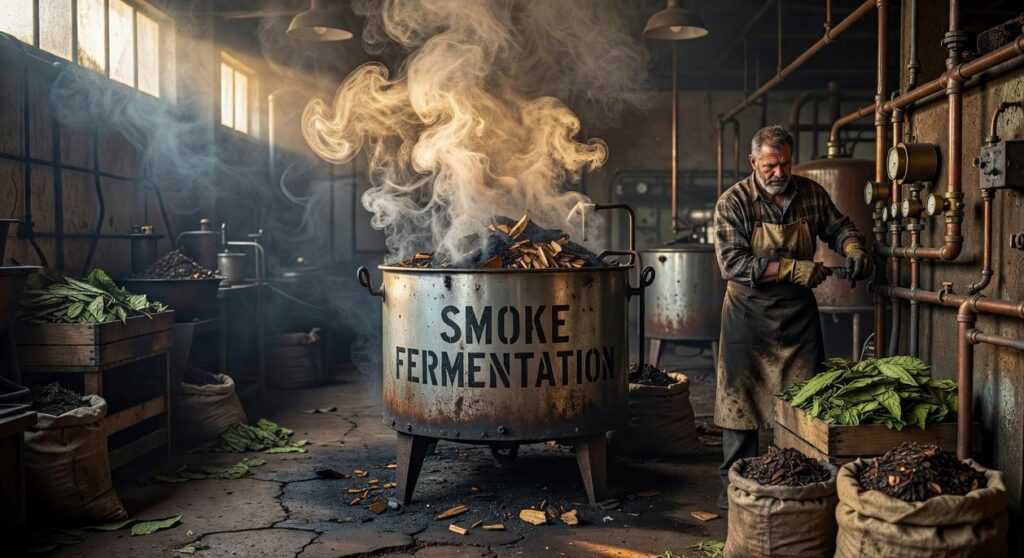
Building Depth: The Power of Smoke and Fermentation
If you’ve ever tried to recreate deeply savory dishes at home and ended up with something flat, you’re not alone. A common frustration is assuming depth comes from long cooking alone. In reality, deep, savory flavor—often called umami (the rich, mouth-filling taste linked to naturally occurring glutamates)—is built with specific ingredients.
First, the role of smoke. Smoked fish like tilapia or mackerel, along with smoked crayfish, aren’t just protein additions. They’re flavor engines. Crumbled into soups and stews, they melt into the base, delivering a profound smoky backbone that feels slow-cooked even when time is short. Without them, the dish can taste one-dimensional (and yes, that’s usually the missing piece).
Then there’s unrefined red palm oil. Nutty, savory, and slightly earthy, it contributes both fat and a distinct flavor that simply can’t be swapped out for neutral oils. Substitutions dull the final result—full stop.
Finally, fermentation. Ingredients like dawadawa undergo controlled microbial breakdown, unlocking amino acids that intensify savoriness. It’s science doing delicious work. Together, these elements define West African cuisine flavors and transform good food into something unforgettable.
Tasting the Tradition: Iconic Dishes and Their Flavor Signatures
To truly understand these dishes, you have to start with their foundations. And while every home cook swears their version is the best (they might be right), flavor signatures tell the deeper story.
-
Jollof Rice: At its core is the tomato-pepper trinity—tomatoes, red bell peppers, and onions—simmered down with thyme, curry powder, and bay leaf. The result? Savory, aromatic, and faintly smoky. Some argue the smokiness should come only from firewood cooking; others say a well-controlled pot achieves the same magic. I’m not entirely sure there’s one correct answer.
-
Egusi Soup: Ground melon seeds create a thick, nutty base, enriched by smoked fish and lifted by bitterleaf’s gentle bite. That slight bitterness is debated—too much overwhelms, too little flattens the dish.
-
Fufu and Light Soup: Fufu’s mild starchiness carries a pepper-forward broth layered with ginger, garlic, and alligator pepper. Together, they showcase the balance central to West African cuisine flavors.
At first glance, West African cuisine flavors can seem complex, but they’re built on three pillars: a tomato-pepper stew base, aromatic spice blends, and umami-rich boosts like fermented locust beans or dried fish. However, the real hurdle is ingredient accessibility. Fortunately, you can start with quality curry powder and smoked paprika to echo traditional depth. Over time, I suspect more supermarkets will stock grains of paradise and palm oil as global tastes expand. So why wait? Begin with a simple tomato and pepper stew, then layer in just one new element—perhaps smoked fish—and taste how the foundation transforms. Start today.
As we embark on this journey through the vibrant and diverse dishes of West African cuisine, it’s fascinating to consider how culinary critique, such as that discussed in our piece on ‘Xwipdnow Hingagyi Culinary Gravel Credit Critique,’ can deepen our appreciation for these rich flavors and the stories they tell.
Elevate Your Cooking with Bold Global Flavor
You set out to better understand how global flavors, fusion techniques, and smart ingredient pairings can transform your cooking—and now you have the tools to do exactly that. From mastering foundational techniques to experimenting with West African cuisine flavors, you’re equipped to move beyond bland, predictable meals and create dishes that truly excite.
The frustration of flat, one-dimensional food ends when you know how to layer spices, balance heat, and build depth with intention. Great flavor isn’t luck—it’s strategy.
Now it’s time to take action. Start experimenting with one new fusion technique this week. Explore a spice blend you’ve never used. Apply a flavor-enhancing hack to a familiar dish and taste the difference.
If you’re ready to stop guessing in the kitchen and start cooking with confidence, dive deeper into our expert-backed flavor guides and culinary insights. Join thousands of food enthusiasts who trust our proven techniques to turn everyday meals into unforgettable experiences. Your next standout dish starts now.
 Flavor & Technique Specialist
Gene Omanivano has opinions about culinary buzz. Informed ones, backed by real experience — but opinions nonetheless, and they doesn't try to disguise them as neutral observation. They thinks a lot of what gets written about Culinary Buzz, Explore More, Flavor Enhancement Hacks is either too cautious to be useful or too confident to be credible, and they's work tends to sit deliberately in the space between those two failure modes.
Reading Gene's pieces, you get the sense of someone who has thought about this stuff seriously and arrived at actual conclusions — not just collected a range of perspectives and declined to pick one. That can be uncomfortable when they lands on something you disagree with. It's also why the writing is worth engaging with. Gene isn't interested in telling people what they want to hear. They is interested in telling them what they actually thinks, with enough reasoning behind it that you can push back if you want to. That kind of intellectual honesty is rarer than it should be.
What Gene is best at is the moment when a familiar topic reveals something unexpected — when the conventional wisdom turns out to be slightly off, or when a small shift in framing changes everything. They finds those moments consistently, which is why they's work tends to generate real discussion rather than just passive agreement.
Flavor & Technique Specialist
Gene Omanivano has opinions about culinary buzz. Informed ones, backed by real experience — but opinions nonetheless, and they doesn't try to disguise them as neutral observation. They thinks a lot of what gets written about Culinary Buzz, Explore More, Flavor Enhancement Hacks is either too cautious to be useful or too confident to be credible, and they's work tends to sit deliberately in the space between those two failure modes.
Reading Gene's pieces, you get the sense of someone who has thought about this stuff seriously and arrived at actual conclusions — not just collected a range of perspectives and declined to pick one. That can be uncomfortable when they lands on something you disagree with. It's also why the writing is worth engaging with. Gene isn't interested in telling people what they want to hear. They is interested in telling them what they actually thinks, with enough reasoning behind it that you can push back if you want to. That kind of intellectual honesty is rarer than it should be.
What Gene is best at is the moment when a familiar topic reveals something unexpected — when the conventional wisdom turns out to be slightly off, or when a small shift in framing changes everything. They finds those moments consistently, which is why they's work tends to generate real discussion rather than just passive agreement.