If you’re searching for a deeper understanding of traditional Japanese home cooking, you’re likely looking for more than just recipes—you want context, technique, and the subtle details that make each dish meaningful. This article is designed to guide you through the foundations of everyday Japanese meals, from essential pantry staples and flavor-building methods to the cultural principles that shape the cuisine.
We break down core ingredients, explain how balance and seasonality influence every plate, and explore how simple techniques transform humble components into refined, comforting dishes. Whether you’re new to Japanese cuisine or hoping to refine your skills, you’ll gain practical insights you can immediately apply in your own kitchen.
Our guidance draws on culinary research, authentic preparation methods, and carefully tested techniques to ensure accuracy and reliability. By the end, you’ll understand not just how to cook these dishes—but why they taste the way they do.
The Philosophy of a Meal: Understanding Ichiju-Sansai
Ichiju-sansai (一汁三菜) literally means “one soup, three dishes,” but that translation barely scratches the surface. It’s a structural philosophy that defines traditional Japanese home cooking—not by portion size, but by balance and intentional contrast.
At the center sits gohan (steamed rice), the neutral anchor. Its mild flavor allows everything else to shine. Then comes shiru, typically miso soup, which adds warmth and moisture. Together, they ground the meal.
The remaining elements are okazu (side dishes), carefully composed as:
- One main protein, often yakimono (grilled) or nimono (simmered)
- Two vegetable-forward dishes such as aemono (dressed salads) or sunomono (vinegared dishes)
Here’s what many overlook: ichiju-sansai isn’t rigid tradition—it’s a design system. Competitors often focus on ingredients, but the real advantage lies in method contrast. A grilled fish beside simmered root vegetables and a crisp vinegared cucumber creates textural rhythm (think ensemble cast, not solo act).
Balance operates on four levels: nutritional diversity, flavor layering (salty, sweet, sour, umami), color variation, and cooking technique. Pro tip: aim for at least three colors on the table.
The result isn’t abundance—it’s harmony on a plate.
Staple Dishes from a Japanese Kitchen
Japanese home staples aren’t flashy—but that’s the point. They deliver BALANCE, COMFORT, and deep flavor using simple techniques you can replicate in your own kitchen.
Nikujaga (肉じゃが)
Nikujaga is savory-sweet perfection: thin slices of beef or pork simmered with potatoes, onions, and carrots in dashi (a light broth made from kombu seaweed and bonito flakes), soy sauce, and mirin (sweet rice wine). The flavor gently leans sweet, then finishes savory—like a warm hug in a bowl. It’s often called ofukuro no aji, meaning “mom’s cooking,” a phrase that represents nostalgia and home. The benefit? It teaches you how layering umami-rich liquids transforms humble ingredients into something deeply satisfying (no fancy tricks required).
Saba no Misoni (鯖の味噌煮)
This dish highlights nimono, a fundamental simmering technique where ingredients cook slowly in seasoned liquid. Mackerel is gently poached in miso, ginger, and sake, creating a rich glaze that balances the fish’s natural oiliness. Ginger cuts through the fat, while miso adds fermented depth. Mastering this dish gives you:
- Control over heat and timing
- Confidence cooking oily fish
- A template for other simmered proteins
Tonjiru (豚汁)
Unlike standard miso soup, Tonjiru is heartier—packed with pork belly, daikon, carrots, and gobo (burdock root, an earthy root vegetable). It’s practically a meal in a bowl. The extra fat from pork enriches the broth, making it more robust than everyday miso soup. If you think miso soup is “too light,” Tonjiru proves otherwise.
Goya Chanpuru (ゴーヤーチャンプルー)
From Okinawa, this stir-fry features bitter melon (goya), tofu, egg, and pork. The bitterness is intentional—it sharpens your palate and balances richness. It showcases the diversity within traditional Japanese home cooking and reminds us that comfort food isn’t always mild.
Exploring dishes like these builds practical kitchen skills and cultural insight—much like exploring the rich flavors of west african cuisine reveals how regional ingredients shape identity and taste.
The Essential Pantry: Core Ingredients for Authentic Flavor
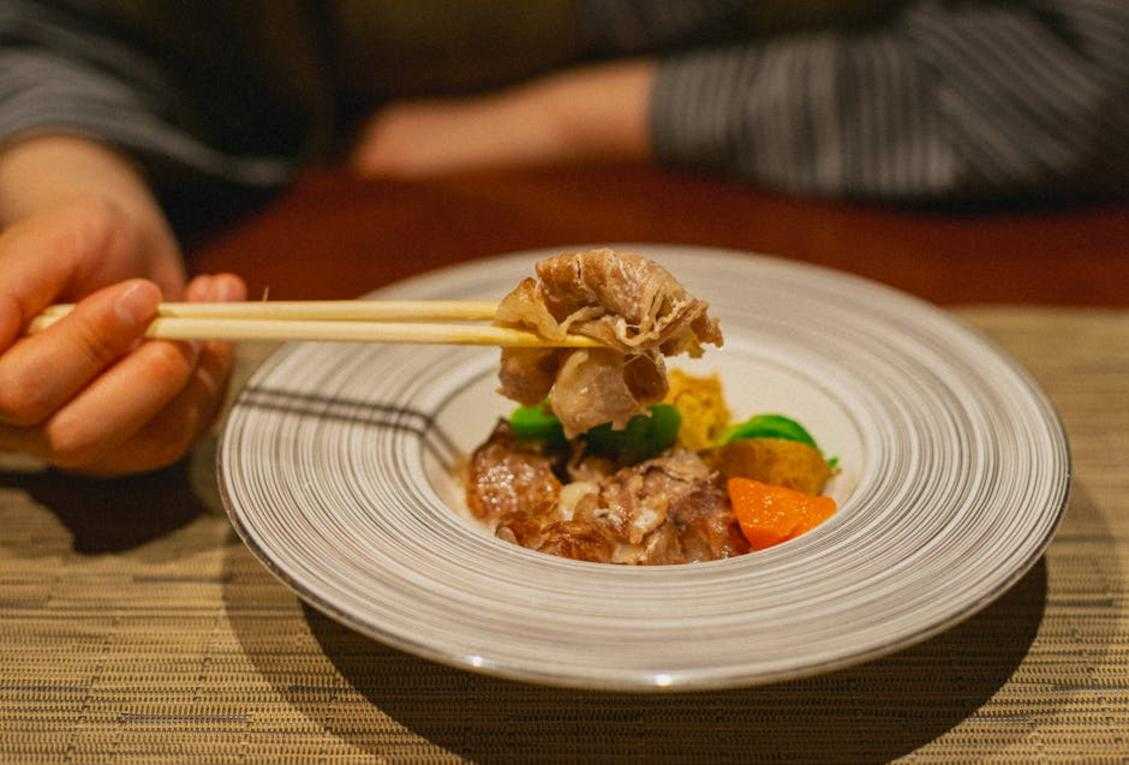
If you strip Japanese cooking down to its soul, you’ll find it rests on a few quiet, powerful staples. In my opinion, mastering these matters more than memorizing recipes. Get the foundations right, and everything else falls into place.
Dashi (だし): The Flavor Backbone
Dashi is a light, umami-rich broth that forms the base of soups, sauces, and simmered dishes. Umami—often called the “fifth taste”—is that savory depth that makes food feel complete (think of the satisfying richness in a great bowl of ramen). Traditionally, dashi is made by steeping kombu (dried kelp) and adding katsuobushi (smoked, fermented bonito flakes). The result is subtle but transformative.
Some argue you can substitute chicken stock. Technically? Sure. But it changes the character entirely. Dashi is delicate and oceanic, not heavy. In traditional Japanese home cooking, that distinction is everything.
Pro tip: Never boil kombu aggressively—it can turn bitter. Gentle heat coaxes out sweetness instead.
The Sa-Shi-Su-Se-So of Seasoning
This mnemonic guides the order of seasoning:
- Sa: Sugar (satō) & Sake
- Shi: Salt (shio)
- Su: Vinegar (su)
- Se: Soy Sauce (shōyu)
- So: Miso
Order matters because ingredients penetrate food differently. Sugar molecules are larger and need time to absorb; salt tightens proteins; miso and soy sauce add aroma best preserved later in cooking. Some cooks dismiss this as old-fashioned. I disagree. Follow the sequence and you’ll notice better balance and texture (it’s culinary chemistry, not superstition).
These aren’t just pantry items—they’re flavor building blocks.
Bring Authentic Japanese Flavors Into Your Kitchen Today
You came here wanting to better understand the heart of traditional Japanese home cooking—the balance, the intention, the layering of simple ingredients into deeply satisfying meals. Now you have the foundation to recognize its core principles, experiment with ingredient pairings, and appreciate how subtle techniques create powerful flavor.
The real challenge isn’t knowing what Japanese home cooking is. It’s translating that clarity into meals that don’t feel intimidating or overly complex. Many home cooks struggle with achieving authentic flavor without specialty training or hard-to-find ingredients.
Start small. Focus on balance—salt, umami, acidity, and texture. Experiment with foundational staples like miso, dashi, rice, and seasonal vegetables. Practice mindful preparation, and let each ingredient shine instead of overpowering the dish.
If you’re ready to elevate your everyday cooking without overcomplicating it, explore more flavor-deepening techniques and global fusion insights from our #1 trusted culinary resource for modern home cooks. Discover practical guides, step-by-step breakdowns, and flavor enhancement hacks that make authentic results achievable.
Your next unforgettable meal starts with one intentional step—dive deeper, experiment boldly, and bring the essence of Japan to your table tonight.
 Flavor & Technique Specialist
Gene Omanivano has opinions about culinary buzz. Informed ones, backed by real experience — but opinions nonetheless, and they doesn't try to disguise them as neutral observation. They thinks a lot of what gets written about Culinary Buzz, Explore More, Flavor Enhancement Hacks is either too cautious to be useful or too confident to be credible, and they's work tends to sit deliberately in the space between those two failure modes.
Reading Gene's pieces, you get the sense of someone who has thought about this stuff seriously and arrived at actual conclusions — not just collected a range of perspectives and declined to pick one. That can be uncomfortable when they lands on something you disagree with. It's also why the writing is worth engaging with. Gene isn't interested in telling people what they want to hear. They is interested in telling them what they actually thinks, with enough reasoning behind it that you can push back if you want to. That kind of intellectual honesty is rarer than it should be.
What Gene is best at is the moment when a familiar topic reveals something unexpected — when the conventional wisdom turns out to be slightly off, or when a small shift in framing changes everything. They finds those moments consistently, which is why they's work tends to generate real discussion rather than just passive agreement.
Flavor & Technique Specialist
Gene Omanivano has opinions about culinary buzz. Informed ones, backed by real experience — but opinions nonetheless, and they doesn't try to disguise them as neutral observation. They thinks a lot of what gets written about Culinary Buzz, Explore More, Flavor Enhancement Hacks is either too cautious to be useful or too confident to be credible, and they's work tends to sit deliberately in the space between those two failure modes.
Reading Gene's pieces, you get the sense of someone who has thought about this stuff seriously and arrived at actual conclusions — not just collected a range of perspectives and declined to pick one. That can be uncomfortable when they lands on something you disagree with. It's also why the writing is worth engaging with. Gene isn't interested in telling people what they want to hear. They is interested in telling them what they actually thinks, with enough reasoning behind it that you can push back if you want to. That kind of intellectual honesty is rarer than it should be.
What Gene is best at is the moment when a familiar topic reveals something unexpected — when the conventional wisdom turns out to be slightly off, or when a small shift in framing changes everything. They finds those moments consistently, which is why they's work tends to generate real discussion rather than just passive agreement.