Staring at a fridge packed with ingredients but feeling lost without a recipe? You’re not alone. We’ve all been “recipe robots,” mindlessly following instructions.
Frustrating, right?
Here’s the thing. To break free, you don’t need a thousand recipes. You need to master a few basic cooking methods.
That’s the secret sauce to creativity and confidence in the kitchen.
I’ve spent years dissecting complex restaurant dishes into simple, core techniques. This isn’t just another guide. It’s a tool to understand the “why” behind cooking, not just the “how.”
By the end, you’ll know how to improvise, how to own your cooking. Imagine walking into the kitchen, eyes on ingredients, and knowing exactly what to do. You’re about to transition from following recipes to creating dishes.
The Chef’s Secret Weapon: Mastering Your Knife
Knife skills aren’t just a nice-to-have in the kitchen. They’re non-negotiable. You want safety, speed, and flavor? these skills shine.
Uniform cuts mean food cooks evenly. Ever had half-crunchy, half-mushy potatoes? Blame uneven dicing.
to the essentials: the dice, the mince, and the julienne.
First, the dice. Perfect for soups and stews. The key here is uniformity.
Grab your veggie, make sure it’s stable, and use the ‘claw grip’ (fingers tucked in, knuckles out). This grip saves fingers. The rocking motion of the knife does the rest.
Feel the rhythm? That’s control.
Next, the mince. Garlic’s best friend. Smaller pieces release more flavor into oil.
It’s a taste explosion waiting to happen. Use the same claw grip for safety. Keep the motion smooth and steady.
A rough chop won’t cut it (pun intended).
Now, julienne. Think salads and stir-fries. Long, thin strips that cook quickly.
Ever wondered why your veggies aren’t evenly cooked? This is why. Hand placement remains the same, but the cuts are more delicate.
Precision is king here.
Why do these cuts matter? A fine mince of garlic changes everything. The flavor infuses the dish, rather than sitting lazily on top.
Diced potatoes cook evenly, leaving no hard surprises in your stew.
If you’re serious about mastering the basic cooking methods, then focus on knife skills. They make or break a dish. To balance flavors like pro, start with precision cuts.
Pro tip: Practice makes perfect. Don’t rush it. The more you chop, the better you get.
So grab your knife and get to work.
Harnessing the Flame: Sauté, Sear, & Roast Explained
Let’s talk dry-heat cooking. It’s the magic that gives food its irresistible, browned goodness. Ever heard of the Maillard reaction?
It’s the “tasty browning” that happens when proteins and sugars in food transform under heat. Think about that beautiful crust on a seared steak. That’s the Maillard effect at work, and it’s a cornerstone of basic cooking methods.
When I sauté, there’s nothing quite like the sizzle and pop of vegetables hitting a hot pan. It’s a sensory delight. High heat, a splash of fat, and constant motion are the secrets.
You have to keep things moving or else risk burning. Asparagus and mushrooms thrive here, absorbing flavors and cooking quickly. Shrimp, too, comes alive when sautéed.
It’s all about timing and heat control; get it right, and you’re golden.
Now, searing. This is where you create a deep, brown crust on proteins that make mouths water. A pan that’s scorching hot is non-negotiable.
Overcrowding it? That’s a rookie mistake. Look at a steak or scallop (perfectly) seared outside, tender inside.
That contrast is everything. The pan needs room to breathe; otherwise, you’re just steaming your food. Don’t even think about stirring too much.
Let it sit, develop that crust, then flip.
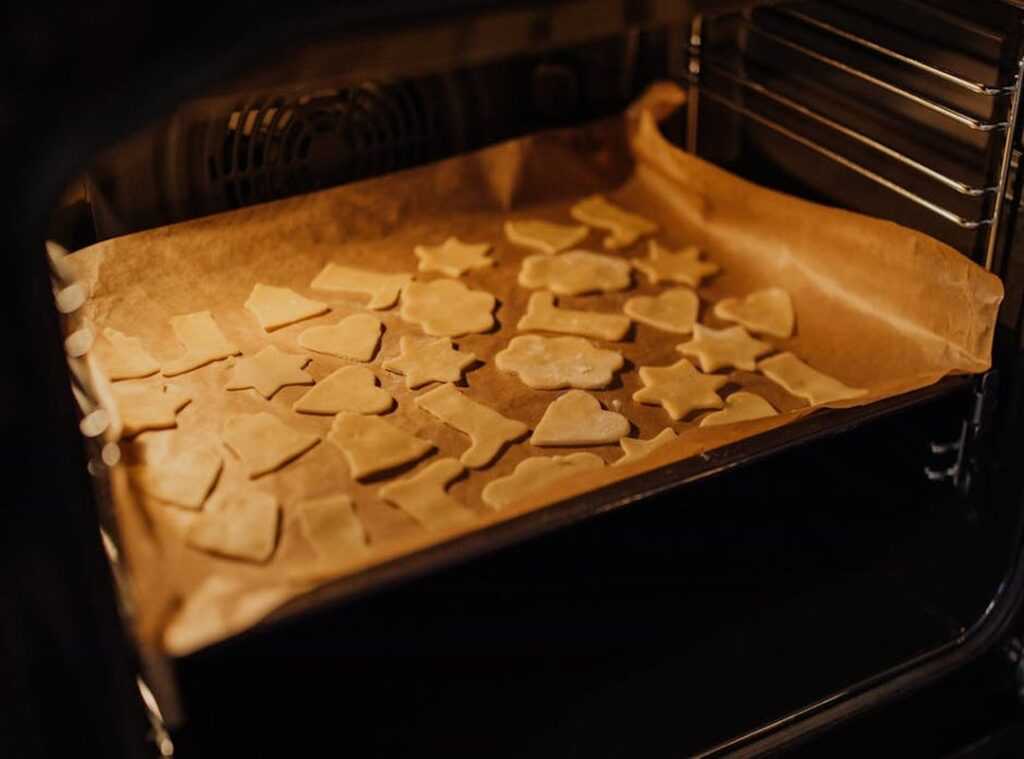
Roasting changes everything. You’re surrounding your food with hot, dry air in the oven. It hugs each ingredient, browning the outside while keeping the inside tender.
Whole chickens bask in this, going from pale to golden as the skin crisps up. Root vegetables and potatoes find their best self here (caramelized) edges, soft centers. Quick tip: resist the urge to open that oven door too often.
It lets the heat escape, slowing the magic.
If you want to dive deeper into these techniques, check out this basic cooking techniques a practical guide for beginners. It’s a fantastic resource for mastering the art of browning, charring, and crisping. So, why not experiment a bit in your own kitchen?
Let the flames do their job. Who knows? You might just discover your new favorite dish.
Slow & Low: Flavor’s Secret Weapon
When it comes to flavor, quick fixes rarely make the cut. Ever tried biting into a shoe? Tough cuts of meat are like that without the right approach.

Enter moist-heat cooking. It’s what transforms a cheap, stubborn piece of meat into a tender, flavorful masterpiece. Bold flavors aren’t born from boiling (it’s) the slow embrace of heat that does the trick.
Braising, oh the joy! It’s all about searing for flavor, then letting time do the heavy lifting. I start with short ribs or a pot roast, searing them to lock in flavor.
The magic happens in stage two, simmering slowly in a pot of liquid. Stock or wine, you choose. Ever notice how a stringy piece of beef melts into pure gelatinous joy?
That’s braising breaking down connective tissue. You can’t rush this. It’s this slow-cooked alchemy that infuses meat with layers of taste.
Anyone who says they can match it with quick cooking is selling you dreams.
Simmering is the unsung hero. It’s not boiling, and don’t let anyone tell you otherwise. The bubbles barely break the surface.
That’s how you know you’re simmering, not boiling. Want delicate soups and stocks? This is the basic cooking method you need.
Simmering melds flavors without turning ingredients into mush. It’s a gentle art, and not everyone gets it.
Poaching is another one for the gentle-hearted among us. Poach your eggs, poach your salmon. Keep the liquid below a simmer.
You’re not looking for color here. Just silky, tender texture. Imagine a poached egg’s yolk spilling golden on a slice of toast.
Are you drooling yet? Does anything scream perfection like a poached piece of salmon?
Craving more? Dive into creating signature spice blends. It’ll raise your braised, simmered, and poached dishes from good to unforgettable.
Real cooking is like this. It challenges what you think you know. It’s not about rushing.
It’s about slowing down, savoring the process, and letting flavors develop at their own pace. Who needs fast food when slow cooking offers so much more?
The Silky Smooth Secret: Unlocking Sauces with Emulsification
Emulsification sounds fancy, right? It’s really just about making oil and vinegar play nice. Picture this: you whisk lemon juice and mustard together, then slowly (and I mean slowly) drizzle in olive oil.
Suddenly, you’ve got a creamy vinaigrette. It’s magic, but not really. It’s science, especially one of those basic cooking methods that seems hard to find until you try it.
Why does this matter? Because good sauce makes everything better. And emulsifiers like mustard are the unsung heroes here.
They force the stubborn oil and vinegar to hold hands and stay together. It’s like the unlikely friendship we didn’t know we needed.
But what if your sauce “breaks”? Happens to the best of us. The fix is simple: whisk some of that broken mess into a teaspoon of mustard.
Then, slowly add the rest back in. It’s like rebooting a stubborn computer (but tastier).
Ever notice how the best chefs make it look easy? I think they just know these tricks. So next time your sauce goes rogue, remember, a little mustard can save the day.
Emulsification might just be the secret weapon in your kitchen arsenal.
Break Free from the Recipe Chains
We’ve all been there, stuck following a recipe to the letter. But why stay chained? You now have the tools for culinary freedom.
Mastering basic cooking methods transforms you into a creator. Knife skills, heat control, and sauces aren’t just techniques; they’re your keys to liberation in the kitchen. Don’t overwhelm yourself.
Pick one technique this week. Perfect dicing an onion or searing chicken, and make it yours. You’ll find the confidence (and the flavor) you’ve been craving.
Ready to unleash your inner chef? Dive in. Your culinary adventure starts now.
What’s stopping you? Go cook something amazing!
 Founder & Chief Culinary Officer
There is a specific skill involved in explaining something clearly — one that is completely separate from actually knowing the subject. Zayric Mythvale has both. They has spent years working with global cuisine explorations in a hands-on capacity, and an equal amount of time figuring out how to translate that experience into writing that people with different backgrounds can actually absorb and use.
Zayric tends to approach complex subjects — Global Cuisine Explorations, Flavor Enhancement Hacks, Culinary Buzz being good examples — by starting with what the reader already knows, then building outward from there rather than dropping them in the deep end. It sounds like a small thing. In practice it makes a significant difference in whether someone finishes the article or abandons it halfway through. They is also good at knowing when to stop — a surprisingly underrated skill. Some writers bury useful information under so many caveats and qualifications that the point disappears. Zayric knows where the point is and gets there without too many detours.
The practical effect of all this is that people who read Zayric's work tend to come away actually capable of doing something with it. Not just vaguely informed — actually capable. For a writer working in global cuisine explorations, that is probably the best possible outcome, and it's the standard Zayric holds they's own work to.
Founder & Chief Culinary Officer
There is a specific skill involved in explaining something clearly — one that is completely separate from actually knowing the subject. Zayric Mythvale has both. They has spent years working with global cuisine explorations in a hands-on capacity, and an equal amount of time figuring out how to translate that experience into writing that people with different backgrounds can actually absorb and use.
Zayric tends to approach complex subjects — Global Cuisine Explorations, Flavor Enhancement Hacks, Culinary Buzz being good examples — by starting with what the reader already knows, then building outward from there rather than dropping them in the deep end. It sounds like a small thing. In practice it makes a significant difference in whether someone finishes the article or abandons it halfway through. They is also good at knowing when to stop — a surprisingly underrated skill. Some writers bury useful information under so many caveats and qualifications that the point disappears. Zayric knows where the point is and gets there without too many detours.
The practical effect of all this is that people who read Zayric's work tend to come away actually capable of doing something with it. Not just vaguely informed — actually capable. For a writer working in global cuisine explorations, that is probably the best possible outcome, and it's the standard Zayric holds they's own work to.